
Custom Polyurethane Coated Conveyor Rollers
Custom Polyurethane Coated Conveyor Rollers
Custom rollers for automated conveying.
- 30-500kg load
- 60-95A Shore
- 60-300mm dia
- -30-+80°C temp
- ISO/REACH cert
Showing 1–16 of 154 results
-
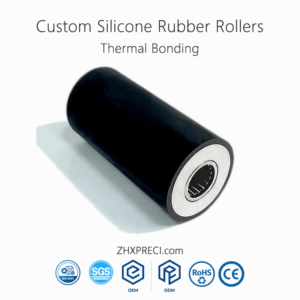
Black PU Rubber Coated Wheel Roller Industrial Grade for Automation Machinery Conveyor Transport and Factory Use
Read more -
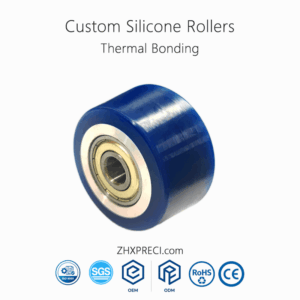
Blue Customized Silicone Rubber Coated Roller & High Quality Drive Guide Roller
Read more -
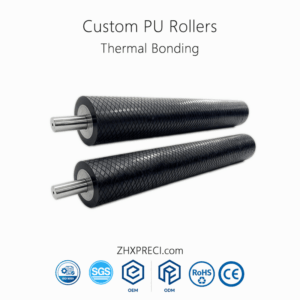
Custom Abrasion Resistant PU Rollers For Packaging Conveyors
Read more -
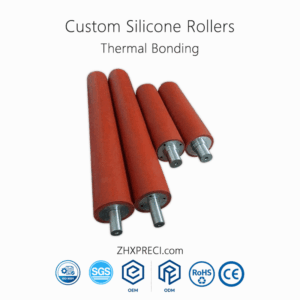
Custom Abrasion Resistant Silicone Coated Rollers Heavy Wear
Read more -
Custom Air Cooled Rubber Rollers with Internal Channels
Read more -
Custom Aluminum Core PU Rollers With Food Grade Compliance
Read more -
Custom Anti-Microbial Silicone Rollers Hygiene Grade
Read more -
Custom Anti-Static PU Rollers For Explosive Dust Environments
Read more -
Custom Anti-Static Silicone Coated Rollers Electronic Use
Read more -
Custom Antistatic PU Rollers For Electronics Conveying
Read more -
Custom API Grade Rubber Rollers for Drill Pipe Wiper
Read more -
Custom ATEX Compliant PU Rollers For Mining Conveyor
Read more -
Custom ATEX Compliant Rubber Rollers for Grain Handling
Read more -
Custom ATEX Compliant Silicone Wheels Hazardous Area
Read more -
Custom Bearing Mounted Silicone Coated Rollers Quick Change
Read more -
Custom Bracket Mount Silicone Wheels Easy Installation
Read more
In modern material handling and automated production environments, the selection of conveyor rollers is a critical decision that directly affects system throughput, energy consumption, maintenance frequency, and product quality. Among the various roller types available, Custom Polyurethane Coated Conveyor Rollers have gained widespread recognition for their ability to combine the strength of a metal core with the damping, traction, and wear‑resistant properties of elastomeric polyurethanes. This category page offers a comprehensive technical reference for procurement professionals, design engineers, and maintenance managers, covering material science, design parameters, application engineering, and practical selection guidelines.
What Are Custom Polyurethane Coated Conveyor Rollers?
Custom Polyurethane Coated Conveyor Rollers are precision‑engineered cylindrical components consisting of a metallic substrate—typically carbon steel, stainless steel, or aluminium—encased in a layer of thermoset or thermoplastic polyurethane elastomer. The term “custom” refers to the ability to tailor every aspect of the roller to the specific operational environment: coating hardness (durometer), thickness, surface profile (plain, grooved, knurled, or patterned), bonding method, core dimensions, shaft configuration, and bearing type. This level of personalisation ensures that the roller performs optimally under defined load ranges, speeds, temperatures, and exposure to chemicals or moisture, rather than relying on one‑size‑fits‑all solutions.
Unlike standard rubber‑covered rollers, polyurethane offers a superior balance of elasticity, tensile strength, and abrasion resistance, with typical tensile moduli ranging from 25 to 55 MPa depending on the prepolymer system. The material’s capacity to absorb impact energy and dampen vibrations makes it particularly suitable for high‑speed sortation systems, inclined conveyors, and applications requiring minimal marking of delicate surfaces such as painted panels, glass, or food packaging.
Why Specify Polyurethane Over Other Coating Materials?
The decision to choose polyurethane over rubber, nylon, or PVC is often based on measurable performance indicators. Polyurethane exhibits significantly higher resistance to cutting, tearing, and permanent deformation under heavy loads. Its coefficient of friction can be modulated over a wider range—from about 0.30 to 0.65 (dry against steel)—by adjusting hardness and surface texture, whereas rubber compounds typically show a narrower friction window. Additionally, polyurethanes are generally less affected by ozone, UV exposure, and common industrial lubricants, which translates into longer replacement intervals in demanding environments such as steel coil handling, foundries, or recycling plants.
From a chemical standpoint, polyurethanes can be formulated with polyester, polyether, or polycaprolactone backbones. Polyester‑based grades offer excellent oil and solvent resistance, making them a common choice for automotive machining lines. Polyether‑based variants provide superior hydrolysis resistance, preferred in wet or washdown applications. Polycaprolactone systems combine good mechanical strength with moderate chemical resistance, often used in general‑purpose conveyors. This chemical flexibility is a key differentiator that allows engineers to match the roller material to the specific media present in the production environment.
Key Design Variables and Their Engineering Impact
When specifying Custom Polyurethane Coated Conveyor Rollers, the following interdependent parameters require careful evaluation:
- Durometer (Shore A / Shore D): Softer compounds (typically 60‑85 Shore A) provide higher grip and shock absorption, reducing the risk of damage to fragile loads. Harder grades (90 Shore A to 55 Shore D) lower rolling resistance and extend wear life under constant heavy loads. The choice must balance traction needs against energy losses due to hysteresis, which can become significant at high speeds.
- Coating thickness: Commonly ranges from 3 mm to 25 mm. Thicker coatings offer greater tolerance to misalignment and allow for re‑grinding during maintenance, but they also increase rotational inertia and may raise operating temperatures due to internal damping. For high‑speed applications, a thinner coating with a firmer base is often preferred to minimise heat buildup.
- Bonding system: The adhesion between polyurethane and the metal core can be achieved through chemical primers, mechanical undercuts, or a combination thereof. Reliable bonding is essential to prevent delamination under cyclic shear stresses. Quality manufacturers typically perform pull‑off tests or ultrasonic inspection to verify bond integrity.
- Surface profile: Plain finishes are suitable for general accumulation and idler rollers. Grooved or ribbed profiles enhance traction in drive rollers and help expel debris in dusty environments. Diamond‑knurled surfaces provide a consistent friction coefficient even when moisture is present, which is useful in packaging lines handling wet cartons.
- Core concentricity and tolerance: Precision machining ensures that the final roller has a run‑out (TIR) within 0.10‑0.15 mm for most industrial applications. Tighter tolerances (0.05 mm) are possible for synchronous conveyor systems where precise timing is critical.
Typical Application Domains
These rollers are deployed across a broad spectrum of industries, including:
- Automotive assembly and powertrain lines
- E‑commerce logistics and parcel sorting centres
- Food and beverage processing (with FDA‑compliant grades)
- Printing and paper converting machinery
- Textile finishing and nonwoven production
- Battery electrode coating and solar panel manufacturing
- Metal stamping and coil processing
- Pharmaceutical cleanroom conveyors
In each of these settings, the roller’s coating formulation can be adjusted to meet specific friction requirements, temperature thresholds (from ‑30 °C to +80 °C standard, with special grades up to 120 °C), and resistance to cleaning agents or sterilisation cycles.
How to Select the Right Custom Polyurethane Coated Conveyor Roller?
A systematic selection process is recommended to ensure that the final product meets both performance and budgetary objectives. The following steps outline a common engineering approach:
- Define the load spectrum: Determine the maximum static and dynamic loads per roller, including impact forces caused by package drops or uneven weight distribution. This information guides the choice of core diameter and material strength.
- Analyse the operating speed: Continuous duty at high peripheral speeds requires careful consideration of thermal generation. Polyurethane’s low thermal conductivity means that heat dissipation must be evaluated, sometimes requiring ventilation holes or specialised cooling.
- Assess the environmental chemistry: Identify all substances that will contact the roller—oils, hydraulic fluids, alkaline cleaners, acids, or salts. Based on this, select the appropriate polyurethane backbone and any protective additives.
- Determine the required traction: For driven rollers, the coefficient of friction must be sufficient to transmit torque without slipping, especially during acceleration. For idlers, low friction is often preferred to minimise belt wear.
- Review mechanical interfaces: Shaft diameter, length, keyway size, and bearing housing dimensions must align with the existing conveyor frame or new design drawings. Any deviations can lead to installation difficulties or premature bearing failure.
- Request prototype samples: Before committing to large volumes, it is prudent to test a small number of rollers under actual production conditions. This allows verification of wear rates, noise levels, and any unforeseen interactions with adjacent components.
Performance Characteristics – Typical Values Based on Industry Data
While actual performance depends on the specific formulation, the following ranges are commonly observed in standard test methods (ASTM D2240, ASTM D5963, DIN 53516):
- Tensile strength: 25‑55 MPa
- Elongation at break: 300‑650 %
- Abrasion loss (DIN 53516): 20‑80 mm³
- Compression set (70 h at 23 °C, 24 h recovery): typically below 30 %
- Operating temperature (continuous): ‑30 °C to +80 °C
- Peak temperature (intermittent): up to 120 °C for specialised grades
- Water absorption (24 h immersion): 0.2‑1.5 % by weight for polyether types; slightly higher for polyester types
These figures serve as benchmarks for initial feasibility studies. Final validation should always be performed using prototypes that replicate the actual service conditions, as factors such as belt tension, roller spacing, and ambient humidity can significantly influence long‑term behaviour.
Installation and Alignment Best Practices
Proper installation is essential to achieve the expected service life. Rollers should be handled with care to avoid nicks or scratches on the polyurethane surface, which can become stress concentration points. Shafts must be clean and free of burrs before mounting. During alignment, the rollers should be set parallel to each other within ±0.5 mm per metre of conveyor length to prevent uneven wear and excessive belt tracking forces. For driven rollers, the drive belt or chain tension should be adjusted according to the manufacturer’s guidelines—excessive tension increases bearing loads and can deform the coating over time.
Maintenance and Condition Monitoring
Routine inspections are recommended to detect early signs of degradation. Visual checks should look for surface cracking, chunking, or discolouration, which may indicate chemical attack or thermal ageing. Periodically measuring the durometer at several points along the roller length can reveal softening or hardening trends that precede failure. For critical conveyors, non‑contact infrared thermometers can monitor operating temperatures; a sustained rise above the recommended range often signals excessive friction or internal hysteresis.
When wear becomes evident, the rollers can often be re‑coated rather than scrapped, provided the core remains within dimensional tolerances. Recoating services involve stripping the old polyurethane, re‑preparing the metal surface, and applying a fresh layer—a cost‑effective alternative for large‑diameter or custom‑machined cores.
Common Modes of Failure and Preventive Measures
- Delamination: Caused by inadequate bonding or overloading. Preventive measures include ensuring correct primer application and avoiding operation beyond the rated load.
- Abrasive wear: Accelerated by fine particles acting as abrasives. Using a harder coating (higher Shore D) or a grooved profile that allows debris to escape can extend life.
- Chemical swelling: Occurs when the elastomer absorbs incompatible fluids. Selecting the appropriate polyurethane family (polyether for water, polyester for oils) mitigates this risk.
- Thermal degradation: Results from excessive speed or continuous high‑load operation. Reducing conveyor speed, improving ventilation, or selecting a high‑temperature‑grade material are possible solutions.
How Does Custom Coating Influence Conveyor Noise and Vibration?
Polyurethane’s inherent viscoelasticity converts a portion of vibrational energy into heat, effectively damping mechanical oscillations. Comparative studies have shown that replacing steel or rigid plastic rollers with polyurethane‑coated versions can reduce overall A‑weighted noise levels by 5‑15 dB(A), depending on the frequency spectrum and mounting stiffness. Lower vibration amplitudes also contribute to reduced bearing wear and improved load stability, which is particularly important for fragile or high‑value products.
Torque Transmission and Inertia Considerations
For driven rollers, the coating layer increases the moment of inertia relative to a bare steel roller of the same diameter. The additional inertia must be accounted for when sizing motors and drives, especially in applications that require frequent start‑stop cycles or speed changes. The effective inertia can be calculated using the density of the polyurethane (approximately 1.10‑1.25 g/cm³) and the geometry of the coating. In many cases, the increase is moderate (<20 %), but for large‑diameter rollers with thick coatings, it may become a decisive factor in drive selection.
Compliance and Regulatory Considerations
Depending on the industry, certain certifications may be required. Food‑contact grades that comply with FDA 21 CFR 177.2600 or EU Regulation 10/2011 are available, provided the formulation uses approved raw materials and manufacturing controls. For electronics or explosive atmospheres, anti‑static (conductive) polyurethane grades with surface resistivity below 10⁶ Ω can be specified. Additionally, many manufacturers offer RoHS and REACH declarations upon request, confirming that hazardous substances are within permitted limits.
Packing, Shipping, and Receiving Inspection
Due to the sensitive nature of the polyurethane surface, rollers should be individually wrapped in protective film or foam, and secured to prevent rolling during transit. Upon receipt, inspection should verify that the coating is free from cuts, gouges, or flat spots. Measuring the outer diameter at both ends and the centre ensures that the roller is within the specified tolerance. Any discrepancies should be documented and communicated to the supplier immediately, as later claims may be difficult to substantiate.
Frequently Asked Questions by Engineers and Procurement Teams
What is the typical service life of a polyurethane coated roller?
Service life is highly application‑dependent. In a typical distribution centre with moderate loads (up to 50 kg per roller) and continuous operation (8‑12 hours/day), many rollers perform effectively for 3‑5 years before the coating needs to be refurbished. In heavy‑duty steel mills or mining conveyors, the interval may be 12‑24 months. Regular condition monitoring is the most reliable way to plan replacements.
Can old steel rollers be recoated with polyurethane?
Yes, provided the core is not severely corroded, bent, or worn beyond permissible tolerances. Recoating involves removing the old material, cleaning and roughening the surface, applying a fresh bonding layer, and casting a new polyurethane coat. This process is often more economical than manufacturing entirely new rollers, especially for non‑standard diameters.
How do temperature and humidity affect performance?
Elevated temperatures reduce the hardness and modulus, increasing rolling resistance and potentially softening the coating to the point of excessive deformation. Conversely, low temperatures make the elastomer stiffer, reducing grip and increasing the risk of brittle fracture under impact. Humidity primarily affects polyester‑based polyurethanes, which are more susceptible to hydrolysis; polyether grades are recommended for high‑humidity environments.
What coefficient of friction can be expected?
On dry steel surfaces, dynamic friction values typically range from 0.30 to 0.65, depending on durometer and surface texture. For oily or wet conditions, values may drop by 30‑50 %, so testing with actual lubricants is advised. Grooved or chevron profiles can help maintain friction in the presence of liquids by allowing the fluid to be displaced.
Are there colour options for identification or traceability?
Yes, pigments can be incorporated during compounding to produce virtually any colour. This is often used for visual classification of load capacity or to designate rollers intended for specific production lines. Colour does not significantly affect mechanical properties as long as the pigment loading is controlled.
How should rollers be stored before installation?
Store them in a cool, dry, and dark location away from ozone‑generating equipment (motors, welders) and direct sunlight. Avoid stacking heavy objects on top of them. For storage exceeding 12 months, it is advisable to rotate the rollers periodically to prevent permanent deformation and to re‑inspect the coating before use.
What dimensional tolerances are typical?
After grinding, outer diameter tolerances of ±0.1 to ±0.2 mm are standard for most industrial applications. Concentricity and roundness are usually held within 0.10‑0.15 mm TIR. If tighter tolerances are required, they should be clearly stated in the request for quotation, as they may involve additional machining operations.
Can the rollers be used in food processing?
Yes, provided the polyurethane formulation complies with FDA or EU food contact regulations. These grades use carefully selected raw materials and are manufactured under strict hygiene protocols to minimise extractable substances. It is essential to request the relevant compliance certificates and to confirm that the intended operating temperatures and food types are within the approved range.
How is the bonding strength verified?
Reliable manufacturers perform destructive and non‑destructive tests. Common methods include the pull‑off test (adhesion strength measured in MPa) and ultrasonic scanning to detect voids or unbonded areas. A typical acceptance criterion is an adhesion strength exceeding 5 MPa for most applications.
What is the effect of repeated impact loading?
Polyurethane generally exhibits good impact resistance due to its elastic nature. However, repeated high‑energy impacts—such as heavy packages dropping from heights—can cause localised fatigue and eventual cracking. For such cases, a thicker coating and a softer durometer are recommended to increase energy absorption, along with periodic inspection for surface damage.
Custom Polyurethane Coated Conveyor Rollers from ZHXPRECI | China OEM/ODM Factory Manufacturer Supplier Custom Elastomer Wheels & Rollers
For organisations seeking a manufacturing partner with deep expertise in polymer compounding and precision machining, Custom Polyurethane Coated Conveyor Rollers from ZHXPRECI | China OEM/ODM Factory Manufacturer Supplier Custom Elastomer Wheels & Rollers offers a comprehensive service that spans material selection, design optimisation, prototyping, and volume production. Their engineering team provides detailed technical documentation, including finite element analysis reports and material certificates, to facilitate informed decision‑making. They also support customers with after‑sales technical assistance and recoating services, ensuring that the rollers continue to deliver consistent performance throughout their operational life.
Lead Time and Ordering Flexibility
The production timeline for custom‑engineered rollers is subject to order quantity, current production schedule, and final specification confirmation. To minimise delays, it is recommended to engage the supplier early in the project phase, providing clear and complete dimensional drawings, environmental data, and performance targets. This allows for efficient resource planning and reduces the likelihood of rework. For urgent requirements, expedited services may be available, but these should be discussed on a case‑by‑case basis.
Cost Considerations and Value Engineering
The total cost of a custom polyurethane coated roller depends on the core material (stainless steel commands a premium over carbon steel), coating formulation (specialty additives for flame retardancy or conductivity increase cost), complexity of the surface profile, and order volume. A value‑engineering approach often reveals that investing in a higher‑grade coating with longer wear life can yield a lower cost per operating hour, particularly in high‑utilisation lines where downtime carries a significant penalty. Buyers are encouraged to request a total‑cost‑of‑ownership analysis that factors in maintenance, energy consumption, and replacement frequency.
Validation Testing Recommendations
Before finalising a large order, the following validation steps are considered prudent:
- Mechanical testing: Measure the roller’s load deflection curve to verify stiffness and compare with design predictions.
- Thermal imaging: Run the roller at maximum speed under load for a defined period and monitor temperature rise.
- Chemical immersion: Soak coating samples in the process fluids at elevated temperatures to simulate worst‑case exposure.
- Field trial: Install prototype rollers in a section of the actual conveyor line and monitor wear, noise, and product marking over several weeks or months.
These steps provide empirical evidence that supports the final specification and reduces the risk of unexpected field issues.
Concluding Technical Summary
Custom Polyurethane Coated Conveyor Rollers offer a highly adaptable solution for a wide range of material handling challenges. Their technical appeal lies in the ability to fine‑tune hardness, profile, thickness, and chemical resistance to match the specific demands of each application—a flexibility that standard rollers cannot provide. By adhering to a systematic selection process, conducting thorough validation trials, and collaborating closely with an experienced manufacturer, engineering and procurement teams can achieve reliable, cost‑effective conveyor operation over extended periods. The information presented in this category page serves as a foundational guide, but site‑specific conditions always warrant individual analysis and testing.