
Custom PU Coated Rollers
Showing 33–48 of 152 results
-
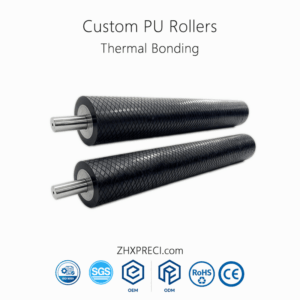
Custom Electroplated Surface PU Rollers For Corrosive Washdown
Read more -
Custom Explosion Proof PU Rollers For Hazardous Areas
Read more -
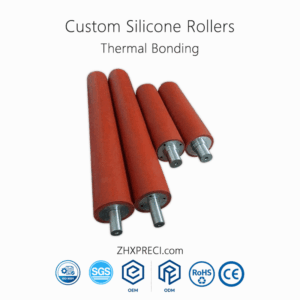
Custom Explosion Proof Silicone Rollers Hazardous Area
Read more -
Custom FDA Compliant PU Rollers For Direct Food Contact Surfaces
Read more -
Custom FDA Compliant Silicone Coated Rollers Food Grade
Read more -
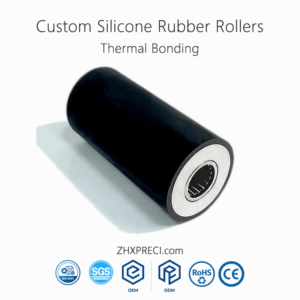
Custom Flame Resistant Rubber Rollers for Welding Areas
Read more -
Custom Flame Retardant Silicone Coated Rollers Fire Safety
Read more -
Custom Flanged Type PU Rollers For Conveyor Mounting
Read more -
Custom Flanged Type Silicone Coated Rollers Panel Mount
Read more -
Custom Flexible Rubber Rollers for Curved Conveyors
Read more -
Custom Grooved Rubber Rollers for Uniform Coating Application
Read more -
Custom Grooved Surface PU Rollers For Positive Belt Tracking
Read more -
Custom Ground Surface Silicone Coated Rollers Precision Finish
Read more -
Custom Hardened Steel Core PU Rollers For Food Processing
Read more -
Custom Heat Dissipating PU Rollers For Continuous Drying Ovens
Read more -
Custom Heat Resistant PU Rollers For Laminating
Read more
Understanding Custom PU Coated Rollers
Custom PU coated rollers are industrial components consisting of a rigid core—typically manufactured from steel, aluminum, or other engineered materials—encased in a layer of polyurethane elastomer. This coating is applied through casting or molding processes, then machined to precise dimensions and surface finishes according to application-specific requirements. The polyurethane layer provides the functional surface that interacts with conveyed materials, substrates, or other machinery components.
What distinguishes custom PU coated rollers from standard off-the-shelf options is the ability to tailor every performance parameter—hardness, thickness, surface profile, core material, and dimensional tolerances—to the exact demands of the intended application. This customization capability makes them suitable for a broad spectrum of industrial sectors, including packaging, printing, material handling, automotive assembly, food processing, and textile manufacturing.
Key Material Properties and Performance Characteristics
Polyurethane exhibits a combination of physical properties that makes it particularly suitable for roller coating applications. The material offers:
- Hardness Range: PU coatings can be formulated to achieve Shore A hardness values typically spanning from 40 to 93, with the most common range falling between 60 and 85 Shore A. Softer formulations (lower Shore A values) provide greater shock absorption and conformability, while harder compounds offer enhanced load-bearing capacity and wear resistance. Hardness is measured using a durometer, with readings taken perpendicular to the roller surface at room temperature (approximately 23°C) for consistent results.
- Abrasion Resistance: Polyurethane demonstrates notable resistance to wear under high-friction conditions, often outperforming conventional rubber in applications involving continuous contact with moving materials. This property contributes to extended service intervals and reduced replacement frequency in demanding production environments.
- Load Capacity: The material can be engineered to support substantial loads without permanent deformation. Load-bearing capabilities vary significantly based on hardness, thickness, and core design, with some configurations rated for loads in the range of several hundred kilograms.
- Temperature Resistance: Standard polyurethane formulations typically operate within a temperature range of approximately -20°C to 80°C for continuous service. Specialized heat-resistant compounds can sustain continuous operation at temperatures up to 110°C in dry conditions, with peak tolerance reaching 130°C. Wet or humid environments generally reduce the maximum recommended operating temperature.
- Chemical Resistance: Polyurethane exhibits good resistance to oils, greases, and many industrial chemicals. Resistance to acids, alkaline solutions, and ozone is typically moderate. The material is generally not recommended for continuous exposure to hot water, steam, or polar solvents.
- Elasticity and Resilience: PU combines the elasticity of rubber with the toughness and durability of engineering plastics, providing effective shock absorption, vibration damping, and recovery from compression.
What Are Custom PU Coated Rollers Used For?
Custom PU coated rollers serve as critical components across numerous industrial applications. Common uses include:
- Conveyor Systems: Drive rollers, idler rollers, and tension rollers in package handling, logistics, and production lines
- Printing Industry: Impression rollers, ink transfer rollers, and feed rollers requiring precise surface characteristics and ink compatibility
- Material Processing: Rollers in paper manufacturing, film production, textile processing, and woodworking
- Automated Equipment: Feed rollers, pinch rollers, and guide rollers in ATMs, currency counters, vending machines, and robotics
- Food Processing: Rollers in packaging lines and food handling equipment where oil resistance and sanitary surface finishes are required
- Automotive Assembly: Conveyance and positioning rollers in manufacturing and assembly operations
How to Select the Right Custom PU Coated Roller
Selecting appropriate custom PU coated rollers requires careful consideration of several interrelated factors:
Application Environment
Assess the operating conditions including temperature range, presence of chemicals or solvents, humidity levels, and exposure to ozone or UV radiation. These environmental factors directly influence material selection and compound formulation.
Load Requirements
Determine the static and dynamic loads the roller will bear. Higher loads generally require harder compounds and robust core designs to prevent deformation under pressure.
Surface Characteristics
Consider the required surface finish, coefficient of friction, and any need for specialized surface profiles such as grooves, crowns, or patterns. The choice of surface finish affects material grip, release properties, and wear patterns.
Dimensional Specifications
Define the roller diameter, length, core dimensions, and coating thickness. Tolerances should be specified based on the precision requirements of the application.
Hardness Selection
Choose the appropriate Shore A hardness based on the balance between wear resistance, load capacity, and conformability required for the specific application. Softer compounds offer better impact absorption; harder compounds provide superior abrasion resistance.
How Are Custom PU Coated Rollers Manufactured?
The manufacturing process for custom PU coated rollers typically follows these stages:
- Core Preparation: The metal core is machined, ground, and honed to precise dimensions. Surface preparation is critical to ensure proper adhesion of the polyurethane coating.
- Coating Application: Liquid polyurethane is applied to the prepared core through casting or molding processes. Various casting techniques—including centrifugal, compression, open, and closed mold methods—may be employed depending on the roller specifications.
- Curing: The coated roller undergoes a curing process during which the polyurethane polymerizes and bonds to the core surface.
- Finishing: After curing, the roller surface is machined and ground to achieve the required dimensional tolerances and surface finish. CNC machining enables the production of complex profiles and fine surface features.
- Inspection: Finished rollers are inspected for dimensional accuracy, hardness, surface quality, and bond integrity before packaging and shipment.
Custom PU Coated Rollers vs. Rubber Rollers
When evaluating material options for roller applications, polyurethane and rubber each offer distinct advantages:
| Characteristic | Polyurethane Rollers | Rubber Rollers |
|---|---|---|
| Abrasion Resistance | High; maintains surface integrity under heavy friction | Lower; tends to wear more rapidly under intense conditions |
| Load Capacity | Engineered for heavy loads without deformation | Limited; may deform under sustained high loads |
| Chemical Resistance | Good resistance to oils, greases, and many chemicals | Variable; generally lower resistance to oils and solvents |
| Temperature Tolerance | Can be formulated for elevated temperatures (up to 110°C continuous dry) | Typically limited to lower temperature ranges |
| Customization | Wide range of hardness, color, and property options | More limited formulation flexibility |
| Service Life | Extended lifespan; reduced replacement frequency | Shorter service life in demanding applications |
While rubber rollers may be suitable for low-stress, general-purpose applications where initial cost is the primary consideration, polyurethane typically offers superior performance in demanding industrial environments requiring durability, precision, and resistance to wear and chemicals.
Frequently Asked Questions
What hardness range is available for custom PU coated rollers?
Custom PU coated rollers can be manufactured across a broad hardness spectrum, typically ranging from 40 to 93 Shore A. The appropriate hardness depends on the specific application requirements, with softer compounds (lower Shore A values) providing better impact absorption and conformability, while harder compounds offer enhanced wear resistance and load-bearing capacity.
How do I measure the hardness of a polyurethane roller?
Hardness is measured using a durometer on the Shore A scale, which is the most common scale for rubber and polyurethane materials. For accurate readings, the roller surface should be clean and smooth, the durometer should be positioned perpendicular to the surface, and measurements should be taken at room temperature (approximately 23°C). Readings should be taken immediately upon full contact, typically within two seconds.
What temperature range can PU coated rollers withstand?
Standard polyurethane formulations are generally rated for continuous operation between -20°C and 80°C. Specialized heat-resistant compounds can sustain continuous dry operation up to 110°C, with peak temperatures reaching 130°C. Wet or humid conditions typically reduce the maximum recommended operating temperature.
Are PU coated rollers resistant to chemicals and oils?
Polyurethane demonstrates good resistance to oils, greases, and many industrial chemicals. Resistance to acids, alkaline solutions, and ozone is generally moderate. The material is not recommended for continuous exposure to hot water, steam, or polar solvents. For applications involving specific chemical exposures, it is advisable to consult with the manufacturer regarding compound selection.
What industries commonly use custom PU coated rollers?
Custom PU coated rollers are utilized across a wide range of industries including packaging, printing, material handling, automotive manufacturing, food processing, textiles, paper production, banking equipment (ATMs and currency counters), and robotics.
How long do PU coated rollers typically last?
Service life depends on operating conditions, load, speed, and maintenance practices. Polyurethane rollers generally outlast rubber alternatives in demanding applications due to their superior abrasion resistance and durability. Regular inspection and proper maintenance can help maximize operational life.
Can PU coated rollers be customized for specific applications?
Yes. Custom PU coated rollers can be tailored across multiple parameters including hardness, dimensions, coating thickness, surface finish, core material, and specialized surface profiles such as grooves or crowns. This customization capability makes them suitable for a diverse range of industrial applications.
What is the difference between cast and molded polyurethane rollers?
Cast polyurethane rollers are produced by pouring liquid polyurethane into a mold where it cures to the desired shape. Molded rollers are produced through compression or injection molding processes. The choice between casting and molding depends on factors such as production volume, dimensional requirements, and the complexity of the roller geometry.
How should PU coated rollers be maintained?
Regular maintenance typically includes cleaning with appropriate products such as tepid water, mild soap, or industrial cleaners. Avoid harsh solvents that may degrade the polyurethane surface. Regular inspection for wear, damage, or dimensional changes can help identify issues before they affect performance.
What core materials are available for custom PU coated rollers?
Common core materials include steel, stainless steel, and aluminum. The choice of core material depends on factors such as load requirements, environmental conditions, and cost considerations.
Partnering with a Reliable Manufacturer
For B2B buyers, engineers, and procurement professionals seeking a dependable source for custom polyurethane rollers, working with an established manufacturer offers distinct advantages in terms of quality control, technical support, and supply chain reliability.
Custom PU Coated Rollers from ZHXPRECI | China OEM/ODM Factory Manufacturer Supplier Custom Elastomer Wheels & Rollers represents a sourcing option for organizations requiring engineered polyurethane roller solutions. As an OEM/ODM manufacturer, the company provides capabilities across the full spectrum of roller production—from material formulation and core preparation to coating application, finishing, and quality inspection.
When evaluating potential manufacturing partners, consider the following factors:
- Technical Expertise: The manufacturer should demonstrate understanding of polyurethane material science and roller engineering principles
- Quality Control: Robust inspection procedures and quality management systems ensure consistency and reliability
- Customization Capability: Ability to accommodate specific hardness, dimensional, and performance requirements
- Production Capacity: Sufficient capacity to meet order requirements within reasonable timeframes
Lead Time Considerations
Delivery schedules for custom PU coated rollers are subject to order quantity, current production schedule, and final specification confirmation. These variables influence the time required for material procurement, core preparation, coating application, finishing, and quality inspection. Buyers are encouraged to discuss their specific requirements and timeline expectations with the manufacturer during the quotation phase to establish mutually agreeable delivery arrangements.
Conclusion
Custom PU coated rollers offer a versatile and durable solution for a wide range of industrial applications requiring precise material handling, reliable performance, and resistance to wear and chemicals. The ability to customize hardness, dimensions, surface characteristics, and material properties makes them suitable for demanding environments across multiple industries.
When selecting custom PU coated rollers, careful consideration of application requirements—including load, temperature, chemical exposure, and dimensional precision—is essential to achieving optimal performance and service life. Working with an experienced manufacturer who understands material science and roller engineering can help ensure that the final product meets the specific demands of the intended application.
For organizations seeking a manufacturing partner with comprehensive capabilities in custom polyurethane roller production, Custom PU Coated Rollers from ZHXPRECI | China OEM/ODM Factory Manufacturer Supplier Custom Elastomer Wheels & Rollers offers a sourcing pathway supported by technical expertise and production capacity.