
Custom PU Conveyor Rollers
Showing 17–32 of 95 results
-
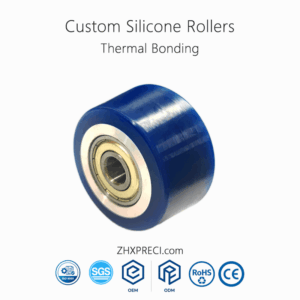
Custom Compact Size Silicone Wheels Space Saving
Read more -
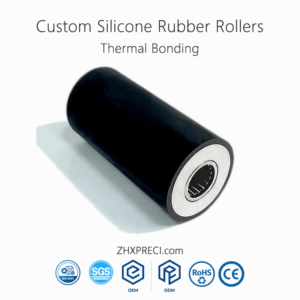
Custom Constant Tension Rubber Rollers for Slitting Lines
Read more -
Custom Double Ended Rubber Rollers for Multi-Position Shafts
Read more -
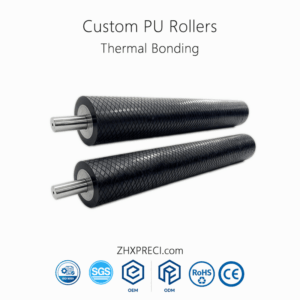
Custom Electroplated Surface PU Rollers For Corrosive Washdown
Read more -
Custom Explosion Proof PU Rollers For Hazardous Areas
Read more -
Custom FDA Compliant PU Rollers For Direct Food Contact Surfaces
Read more -
Custom Flame Resistant Rubber Rollers for Welding Areas
Read more -
Custom Flanged Type PU Rollers For Conveyor Mounting
Read more -
Custom Flexible Rubber Rollers for Curved Conveyors
Read more -
Custom Grooved Rubber Rollers for Uniform Coating Application
Read more -
Custom Grooved Surface PU Rollers For Positive Belt Tracking
Read more -
Custom Hardened Steel Core PU Rollers For Food Processing
Read more -
Custom Heat Dissipating PU Rollers For Continuous Drying Ovens
Read more -
Custom Heat Resistant PU Rollers For Laminating
Read more -
Custom Heavy Duty PU Rollers For Packaging Conveyor Lines
Read more -
Custom Heavy Wall PU Rollers For Extreme Impact Resistance
Read more
Understanding Custom PU Conveyor Rollers: A Technical Overview
Custom PU conveyor rollers are engineered cylindrical components consisting of a metal core—typically carbon steel, stainless steel, or aluminum—encased in a layer of polyurethane (PU) elastomer. This construction combines the structural strength of a metal substrate with the functional surface properties of polyurethane, including abrasion resistance, controlled friction characteristics, and operational quietness. The polyurethane layer can be applied through casting or coating processes, with thickness and hardness tailored to specific material handling requirements.
Custom PU conveyor rollers from ZHXPRECI | China OEM/ODM Factory Manufacturer Supplier Custom Elastomer Wheels & Rollers are manufactured to accommodate a wide range of industrial applications, from light-duty parcel sorting to heavy-duty mining and bulk material handling. The customization process typically involves selecting appropriate core materials, polyurethane formulations, hardness grades, dimensional specifications, and surface finishes to match the operational demands of each conveyor system.
What Are Custom PU Conveyor Rollers?
Custom PU conveyor rollers are industrial rollers in which the contact surface—the part that interfaces with the conveyor belt or the material being conveyed—is made of polyurethane elastomer. Unlike standard off-the-shelf rollers, custom variants are engineered to specific dimensional, hardness, and performance parameters dictated by the application environment. The polyurethane compound can be formulated as either polyether-based or polyester-based, each offering different properties in terms of hydrolysis resistance, mechanical strength, and chemical compatibility.
Polyether-based PU compounds are generally preferred in applications involving moisture, humidity, or wet conditions due to their superior hydrolysis resistance. Polyester-based compounds, by contrast, may offer higher tensile strength and abrasion resistance in dry environments. The selection between these formulations is a key engineering decision in the custom roller design process.
Typical hardness ranges for PU conveyor rollers span from Shore A 70 to Shore A 95, with 70A suited for light-load, noise-sensitive applications and 90–95A specified for heavy-duty, high-wear environments. Tensile strength values for industrial-grade polyurethane compounds are commonly in the range of 38–50 MPa, with elongation at break reaching 460% or higher.
Key Technical Specifications and Material Properties
The performance of custom PU conveyor rollers is defined by several interrelated material and dimensional parameters. Understanding these specifications is essential for proper roller selection and system integration.
Hardness (Shore A Scale)
Hardness is one of the most critical specifications for PU conveyor rollers. It determines the roller's load-bearing characteristics, impact absorption, noise generation, and wear resistance. The Shore A scale is the industry-standard measurement for polyurethane elastomers in roller applications.
- Shore A 70–75: Softer compounds suitable for applications requiring high cushioning and low noise, such as conveying fragile or delicate items. These rollers typically operate at lower noise levels—often below 45 dB at moderate speeds.
- Shore A 80–85: Medium-hardness compounds offering balanced performance for general material handling, including warehouse automation, e-commerce parcel sorting, and light manufacturing.
- Shore A 90–95: Harder compounds providing superior abrasion resistance and load-bearing capacity for heavy-duty applications, including mining, bulk material handling, and high-throughput industrial processing.
It is worth noting that hardness can be customized within specific tolerance ranges. For instance, some industrial specifications cite a hardness of 95 ± 3 Shore A, acknowledging the inherent variability in elastomer manufacturing processes.
Tensile Strength and Elongation
Tensile strength measures the maximum stress the polyurethane material can withstand while being stretched or pulled before failure. Typical values for conveyor-grade PU compounds range from 38 MPa to 50 MPa. Higher tensile strength generally correlates with better resistance to tearing and mechanical damage under load.
Elongation at break—the percentage increase in length before material failure—typically falls around 460% for standard PU formulations. This high elongation provides the material with resilience and the ability to absorb impact forces without permanent deformation.
Abrasion Resistance
Abrasion resistance is a defining characteristic of polyurethane elastomers. Independent testing under ASTM D1630 standards has demonstrated that standard polyurethane wears approximately 4.5 times slower than mild steel, while enhanced polyurethane formulations can wear up to 8.5 times slower than steel under comparable conditions. In real-world conveyor applications, PU disc rollers have shown minimum life increases in the range of 100–300% over steel rollers in high-wear areas such as head and tail ends, shuttle/take-up zones, and convex curves.
Compared to rubber, polyurethane typically offers 3 to 5 times better abrasion resistance, contributing to extended service intervals and reduced maintenance costs over the equipment lifecycle.
Temperature Range
Standard PU conveyor rollers are generally rated for continuous operation between -20°C and +80°C. For applications outside this range—such as cold storage facilities or high-temperature processing environments—specialized formulations may be available to extend the operational temperature window. However, users should verify temperature compatibility with the manufacturer based on specific application conditions.
How to Select the Right Custom PU Conveyor Rollers
Selecting appropriate custom PU conveyor rollers requires a systematic evaluation of operating conditions, material characteristics, and system requirements. The following considerations provide a framework for the selection process.
Load Capacity Assessment
The load-bearing requirement is typically expressed as the weight each roller must support during operation. Load capacity is influenced by roller diameter, core material, wall thickness, bearing selection, and the hardness of the polyurethane coating. For example, a 1.9-inch diameter roller may have an approximate capacity of 250 lbs per roller, though this varies significantly with design parameters. For heavier applications, reinforced designs with larger diameters and steel cores can support substantially higher loads.
When specifying load requirements, it is advisable to provide the per-roller load and product contact area to the manufacturer for accurate engineering matching.
Hardness Selection by Application
The choice of PU hardness should align with the specific demands of the application:
- 70A: Quiet operation, high cushioning—ideal for light items and noise-sensitive environments.
- 80A: Balanced performance—suitable for general material handling lines.
- 90–95A: High wear resistance, minimal flex—appropriate for heavy-duty loads and automated systems.
It is important to recognize that harder compounds, while more abrasion-resistant, may transmit more vibration and generate higher rolling resistance. The optimal hardness represents a trade-off between wear life and operational smoothness.
Core Material Selection
The metal core provides structural integrity and determines the roller's overall load capacity and dimensional stability. Common core materials include:
- Carbon steel (e.g., SAE1571, 1045, Q345B): Cost-effective option for general industrial applications with good strength characteristics.
- Stainless steel (304L/316L): Specified for applications requiring corrosion resistance, such as food processing, pharmaceutical manufacturing, or wet environments.
- Aluminum (6063/6061T651): Lightweight option for applications where roller weight is a consideration, though with lower load capacity than steel.
Environmental Factors
Operating conditions significantly influence material selection:
- Moisture and humidity: Polyether-based PU compounds offer superior hydrolysis resistance in wet environments.
- Chemical exposure: PU generally shows good resistance to oils, greases, and many solvents, though compatibility should be verified for specific chemicals.
- Temperature extremes: Standard PU is rated for -20°C to +80°C; specialized formulations may extend this range.
- Food contact: FDA-compliant PU formulations are available for food processing and packaging applications, meeting requirements under 21 CFR 177.2600.
Dimensional Specifications
Custom rollers can be manufactured to virtually any dimensional requirement within production capabilities. Typical processing capacities allow for roller lengths up to 6,000 mm in-house and up to 12,000 mm through outsourcing arrangements. Diameters, wall thicknesses, shaft configurations, and bearing types are all customizable to match existing conveyor layouts or new system designs.
Common Applications Across Industries
Custom PU conveyor rollers are deployed across a diverse range of industries, each with specific performance requirements.
E-Commerce and Parcel Sorting
In fulfillment centers and distribution hubs, PU rollers handle packages ranging from small poly mailers to larger cartons. The non-marking, quiet-operating characteristics of PU are particularly valued in 24/7 operations where noise reduction and product protection are priorities. Typical line speeds in these applications may reach up to 120 m/min.
Food and Beverage Processing
FDA-grade polyurethane rollers are used in bottling lines, bakery conveyors, produce handling, and packaging equipment. These rollers must withstand frequent washdowns, resist oils and cleaning agents, and operate within temperature ranges of -10°C to 60°C. Blue-colored PU options are sometimes specified for foreign material detection in food processing lines.
Mining and Bulk Material Handling
In mining operations, PU disc rollers are installed in high-wear areas to address carry back and abrasion issues. Field studies have demonstrated that PU rollers can substantially reduce carry back on conveyor belts and extend roller life in challenging environments. The high abrasion resistance of polyurethane—particularly in harder formulations—makes it suitable for applications involving abrasive materials such as ores, aggregates, and minerals.
Automotive and Manufacturing
Automotive assembly lines and general manufacturing facilities utilize PU rollers for their controlled traction, non-marking properties, and ability to handle various component weights. Anti-static PU coatings are available for electronics assembly and other ESD-sensitive environments.
Warehouse Automation and Logistics
Automated material handling systems, including AGV (automated guided vehicle) platforms and conveyor networks, benefit from PU rollers' low rolling resistance, extended service life, and compatibility with high-throughput operations.
Material Comparisons: PU vs. Rubber vs. Steel
Understanding how polyurethane compares to alternative roller materials supports informed engineering decisions.
PU vs. Rubber
Polyurethane typically offers superior abrasion resistance compared to rubber, with service life often extending 2 to 3 times longer in comparable industrial environments. PU rollers generally operate more quietly, with noise levels below 45 dB compared to rubber rollers that may produce 10–15 dB more noise. While PU rollers typically carry a higher initial cost, their extended service life and lower replacement frequency can result in reduced total cost of ownership.
PU also demonstrates better resistance to solvents, chemicals, and moisture than rubber in many applications. Rubber, however, may offer superior grip and shock absorption in certain inclined or high-impact scenarios.
PU vs. Steel
Steel rollers offer exceptional load-bearing capacity and structural integrity, making them suitable for extremely heavy loads and high-speed operations. However, steel rollers generate more noise, are susceptible to corrosion in moist environments, and add significant weight to conveyor systems.
PU rollers, by contrast, operate quietly, resist corrosion and chemical attack, and are gentler on conveyed materials. In high-wear areas, PU has demonstrated significantly longer service life than steel—up to 4.5 to 8.5 times greater abrasion resistance under standardized testing. PU rollers are also considerably lighter than steel equivalents—over 40% lighter in some configurations—which can reduce motor load and energy consumption.
The choice between PU and steel often comes down to application-specific factors: load magnitude, environmental conditions, noise constraints, and maintenance considerations.
Frequently Asked Questions
What is a custom PU conveyor roller?
A custom PU conveyor roller is an industrial roller consisting of a metal core encased in a polyurethane elastomer layer, manufactured to specific dimensional, hardness, and performance specifications dictated by the application. Customization may include variations in diameter, length, core material, PU hardness, surface finish, bearing type, and shaft configuration.
How do I determine the right PU hardness for my application?
Hardness selection depends on the operational requirements of your conveyor system. Softer compounds (Shore A 70–75) are suitable for light loads and noise-sensitive environments. Medium hardness (Shore A 80–85) offers balanced performance for general material handling. Harder compounds (Shore A 90–95) provide superior wear resistance for heavy-duty applications. Consulting with the manufacturer and providing detailed operating conditions—including load, speed, temperature, and product characteristics—will support accurate hardness selection.
What is the typical service life of a PU conveyor roller?
Service life varies significantly based on application conditions, including load magnitude, operating speed, environmental factors, and maintenance practices. In high-wear applications, PU rollers have demonstrated minimum life increases of 100–300% over steel rollers. Some installations have reported service lives exceeding 15 years in certain applications. However, actual service life is application-dependent and should be evaluated based on specific operating conditions.
Are PU conveyor rollers suitable for food processing applications?
Yes. FDA-compliant polyurethane formulations are available for direct and indirect food contact applications, meeting requirements under 21 CFR 177.2600. These food-grade rollers are used in bottling lines, bakery conveyors, produce handling, and other food processing equipment where clean, non-contaminating operation is required.
Can PU conveyor rollers be used in wet or humid environments?
Yes, provided the appropriate polyurethane formulation is selected. Polyether-based PU compounds offer superior hydrolysis resistance and are unaffected by high humidity and moisture. These formulations maintain their mechanical properties in wet conditions, whereas polyester-based compounds may degrade more rapidly in the presence of moisture. For applications involving frequent washdowns or outdoor exposure, specifying polyether-based PU is generally recommended.
How are custom PU conveyor rollers manufactured?
The manufacturing process typically involves machining the metal core to specification, preparing the core surface for bonding, applying the polyurethane layer through casting or coating processes, and finishing to final dimensions. Hot-casting techniques are commonly used to achieve precise dimensional stability and strong PU-to-metal bonding. Quality control measures may include dimensional inspection, hardness testing, and dynamic balance verification.
What information should I provide when requesting custom PU rollers?
To facilitate accurate quotation and engineering matching, it is helpful to provide:
- Drawings (2D or 3D), samples, or detailed application descriptions
- Required dimensions (diameter, length, shaft specifications)
- Quantity requirements
- Hardness preference or operating conditions
- Working environment (temperature, moisture, chemical exposure)
- Load and speed parameters
- Whether metal bonding or specific bearing types are required
What are the advantages of PU over rubber for conveyor rollers?
PU generally offers superior abrasion resistance, lasting 2–3 times longer than rubber in most industrial environments. PU rollers operate more quietly—typically below 45 dB compared to rubber's 10–15 dB higher noise levels. PU also demonstrates better resistance to solvents, chemicals, and moisture. While PU carries a higher initial cost, the extended service life and reduced replacement frequency often result in lower total cost of ownership.
Can existing steel rollers be recoated with PU?
Yes. Recoating services are available for used rollers, allowing worn rollers to be refurbished with a new polyurethane layer. This approach can reduce costs compared to purchasing new rollers while restoring performance characteristics. The recoating process typically involves removing the existing coating, preparing the core surface, and applying a new PU layer to specification.
What quality standards apply to custom PU conveyor rollers?
Reputable manufacturers typically operate under quality management systems such as ISO 9001, ISO 14001, and ISO 45001. Inspection reports are commonly provided for critical rollers, and third-party inspections can be arranged upon request. Quality control measures typically include material certification, dimensional inspection, hardness testing, and bonding strength verification.
About Custom PU Conveyor Rollers from ZHXPRECI
Custom PU conveyor rollers from ZHXPRECI | China OEM/ODM Factory Manufacturer Supplier Custom Elastomer Wheels & Rollers are engineered to meet the diverse requirements of industrial material handling systems. The manufacturing process incorporates precision core machining, advanced polyurethane casting techniques, and rigorous quality control measures to deliver rollers that perform consistently across a wide range of applications.
Customization capabilities include diameter, length, core material selection (carbon steel, stainless steel, or aluminum), PU hardness (Shore A 70–95), surface finish options, bearing types, and shaft configurations. Polyurethane formulations can be specified as polyether-based for hydrolysis resistance or polyester-based for enhanced mechanical properties in dry environments.
Custom PU conveyor rollers from ZHXPRECI | China OEM/ODM Factory Manufacturer Supplier Custom Elastomer Wheels & Rollers are available for applications across e-commerce logistics, food processing, mining, automotive manufacturing, warehouse automation, and general material handling. The company provides engineering support for drawing review, material selection, and application matching, with prototype and production order capabilities.
Lead time for custom PU conveyor rollers is subject to order quantity, current production schedule, and final specification confirmation. For specific delivery timelines, it is advisable to consult with the manufacturer directly based on your particular requirements and production planning needs.
For technical inquiries, custom specifications, or application engineering support, interested parties are encouraged to contact the manufacturer with detailed requirements including dimensional drawings, operating conditions, and performance expectations.