
Custom PU Printing Rollers
Showing 17–32 of 100 results
-
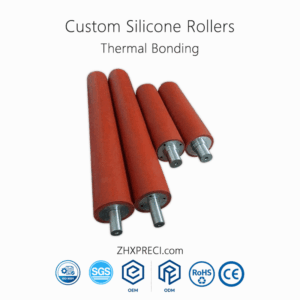
Custom Cold Resistant Silicone Rollers Low Temperature
Read more -
Custom Compression Resistant Silicone Rollers Durable Shape
Read more -
Custom Conductive Silicone Coated Rollers Static Elimination
Read more -
Custom Continuous Duty Silicone Coated Rollers High Torque
Read more -
Custom Dampening Vibration Silicone Rollers Print Stability
Read more -
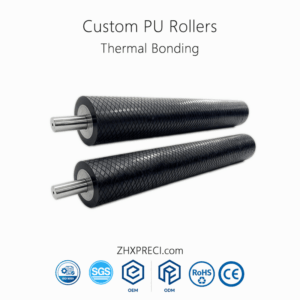
Custom Electroplated Surface PU Rollers For Corrosive Washdown
Read more -
Custom Explosion Proof PU Rollers For Hazardous Areas
Read more -
Custom Explosion Proof Silicone Rollers Hazardous Area
Read more -
Custom FDA Compliant PU Rollers For Direct Food Contact Surfaces
Read more -
Custom FDA Compliant Silicone Coated Rollers Food Grade
Read more -
Custom Flame Retardant Silicone Coated Rollers Fire Safety
Read more -
Custom Flanged Type PU Rollers For Conveyor Mounting
Read more -
Custom Flanged Type Silicone Coated Rollers Panel Mount
Read more -
Custom Grooved Surface PU Rollers For Positive Belt Tracking
Read more -
Custom Ground Surface Silicone Coated Rollers Precision Finish
Read more -
Custom Hardened Steel Core PU Rollers For Food Processing
Read more
Understanding Custom PU Printing Rollers: A Technical Overview
Custom Industrial Polyurethane Rollers from ZHXPRECI | China OEM/ODM Factory Manufacturer Supplier Custom Elastomer Wheels & Rollers represent a category of printing consumables that directly influences print quality, production efficiency, and operational cost structure in flexographic, gravure, and offset printing environments. Polyurethane (PU) printing rollers are precision-engineered components consisting of a metal core—typically steel or aluminum—encased in a cast or molded polyurethane elastomer layer. The elastomer formulation, hardness profile, surface finish, and dimensional accuracy are all parameters that can be tailored to specific printing applications, substrate types, ink systems, and press speeds.
The selection of a PU printing roller is rarely a straightforward choice. It involves balancing mechanical properties such as abrasion resistance and compression set against chemical compatibility with solvents, inks, and cleaning agents. It also requires consideration of dynamic behavior under operational loads, heat generation during high-speed running, and the long-term stability of the elastomer-metal bond. This description provides a structured technical reference for procurement professionals, maintenance engineers, and production managers who are evaluating PU printing rollers for their operations.
What Is a PU Printing Roller?
A polyurethane printing roller is a cylindrical component used in printing presses to transfer ink from the ink fountain to the printing plate, or from the plate to the substrate. Unlike conventional rubber rollers, PU rollers are manufactured from cast polyurethane elastomers, which offer a combination of mechanical strength, elasticity, and chemical resistance that is difficult to achieve with natural or synthetic rubbers. The polyurethane layer is bonded to a metal core through a specialized adhesive system or mechanical interlocking design, ensuring that the elastomer remains securely attached under the shear stresses and compressive forces encountered during printing.
PU printing rollers are available in a wide range of hardness grades. Typical durometer values span from approximately 20 Shore A for highly compliant rollers used in low-pressure applications, up to 95 Shore A or even into the Shore D scale for rollers that require dimensional stability under high nip pressures[reference:0][reference:1]. The hardness tolerance for precision printing rollers is generally specified within ±3 Shore A, and in some cases, manufacturers can achieve uniformity within ±1 Shore A across the entire roller surface[reference:2][reference:3]. This level of consistency is critical for maintaining uniform ink film thickness and avoiding streaks or density variations in the printed image.
What Are the Key Technical Specifications for PU Printing Rollers?
When specifying Custom Industrial Polyurethane Rollers from ZHXPRECI | China OEM/ODM Factory Manufacturer Supplier Custom Elastomer Wheels & Rollers, several technical parameters require careful definition. The following specifications represent the core performance indicators that influence roller behavior in production environments.
Hardness and Durometer
Hardness is perhaps the most frequently specified property for PU printing rollers. It determines the roller's deformation under nip pressure, which in turn affects ink transfer characteristics, contact area, and the ability to conform to substrate irregularities. For water-based ink systems, rollers in the 38–45 Shore A range are commonly used in offset printing applications[reference:4]. For high-speed printing rollers that demand low hardness combined with high strength and elasticity, polyurethane's inherent properties make it particularly suitable[reference:5]. Softer rollers in the 20–30 Shore A range are often specified for letterpress and certain flexographic applications where conformability is paramount[reference:6]. Harder rollers, typically 70–95 Shore A, are selected for applications requiring minimal deformation and precise dimensional control[reference:7].
Surface Finish and Runout
The surface finish of a PU printing roller directly affects ink laydown and the potential for ghosting or hickies. Grinding and polishing processes are employed to achieve the required surface roughness, typically specified in Ra (micrometers) or RMS (microinches). Runout—the deviation of the roller surface from true circularity relative to the bearing journals—must be held within tight tolerances to prevent vibration and ensure consistent nip pressure across the web. No runout on the finished diameter with reference to bearing size is a key performance indicator for precision rollers[reference:8].
Pressure Resistance and Load Capacity
PU printing rollers must withstand significant compressive and shear forces during operation. Maximum resistance to pressure for typical printing rollers is in the range of 40–50 kg/cm of roller length[reference:9][reference:10]. The actual load capacity depends on the roller diameter, core material, bearing support, and the specific elastomer formulation. Engineers should calculate nip pressures based on the required ink film thickness, substrate characteristics, and press configuration, then verify that the selected roller can accommodate these loads without excessive deflection or permanent deformation.
Temperature Resistance
Operating temperature is a critical factor in PU roller performance and service life. In dry conditions, polyurethane rollers can typically sustain continuous operation at temperatures up to 110°C, with peak exposures up to 130°C[reference:11]. In wet conditions—such as when using water-based inks or aqueous cleaning solutions—the recommended continuous operating temperature is lower, generally around 50°C, with peaks up to 60°C[reference:12]. Some specialized formulations can tolerate continuous use at temperatures up to 200–250°F (approximately 93–121°C)[reference:13]. Extended operation above 80°C should be avoided for optimal performance and longevity[reference:14].
Chemical Resistance
The chemical environment of a printing press includes inks, fountain solutions, solvents, and cleaning agents. Polyurethane generally exhibits good resistance to water-based inks, water-based paints, and many cleaning solvents[reference:15]. It offers very good resistance to oils, greases, and ozone[reference:16]. However, PU is not suited for exposure to strong acids or alkaline solutions[reference:17]. Aromatic solvents can also cause swelling or degradation depending on the specific polyurethane formulation[reference:18]. When specifying rollers for solvent-based ink systems, it is advisable to consult with the manufacturer regarding the specific elastomer compound's compatibility with the solvents in use.
How to Select the Right PU Printing Roller for Your Application
The selection process for PU printing rollers should be systematic and data-driven. The following steps provide a framework for making an informed decision.
Step 1: Define the Printing Process and Substrate. Identify the type of printing (flexographic, gravure, offset, or letterpress), the substrate material (paper, film, foil, or board), and the press speed. These factors determine the required roller hardness, surface finish, and dimensional accuracy.
Step 2: Specify the Ink System. Determine whether the ink is water-based, solvent-based, UV-curable, or oil-based. This information guides the selection of the polyurethane formulation with appropriate chemical resistance[reference:19].
Step 3: Calculate Nip Pressure and Load Requirements. Estimate the nip pressure based on the desired ink film thickness and the substrate's compressibility. Verify that the roller's pressure resistance capacity aligns with these requirements[reference:20].
Step 4: Define Dimensional and Tolerance Requirements. Specify the roller diameter, face length, core dimensions, bearing type and size, and the required tolerances for hardness, runout, and surface finish.
Step 5: Consider Operating Conditions. Evaluate the operating temperature range, exposure to cleaning solvents, and any special environmental factors such as humidity or static electricity[reference:21].
Step 6: Engage with the Manufacturer. Provide the manufacturer with complete specifications and, if available, detailed drawings. Custom Industrial Polyurethane Rollers from ZHXPRECI | China OEM/ODM Factory Manufacturer Supplier Custom Elastomer Wheels & Rollers can be manufactured to precise customer requirements, including custom diameters, lengths, core configurations, and hardness profiles[reference:22].
How Are PU Printing Rollers Manufactured?
The manufacturing process for PU printing rollers typically involves several stages. First, the metal core is prepared—machined to the required dimensions, cleaned, and treated with an adhesive primer or bonding agent. The polyurethane elastomer is then cast or molded around the core. Casting allows for the production of large-diameter and long rollers, while molding may be used for smaller or more complex geometries[reference:23]. After the elastomer cures, the roller undergoes machining and grinding operations to achieve the final diameter, surface finish, and runout specifications[reference:24]. CNC grinding equipment is often employed to ensure precision and consistency[reference:25]. The finished roller is then inspected for hardness, dimensional accuracy, and surface quality before packaging and shipment.
What Are the Common Applications of PU Printing Rollers?
PU printing rollers are used across a broad spectrum of printing applications. In flexographic printing, they serve as anilox rollers, plate cylinders, and impression rollers. In gravure printing, they function as impression rollers and applicator rollers. In offset printing, they are used as ink form rollers, dampening rollers, and distribution rollers[reference:26]. Beyond traditional printing, PU rollers are also employed in coating, laminating, and converting processes where precise, uniform application of liquids or adhesives is required[reference:27].
How to Maintain PU Printing Rollers for Extended Service Life
Proper maintenance is essential for maximizing the service life of PU printing rollers and maintaining consistent print quality. The following practices are widely recommended.
Cleaning. Rollers should be cleaned thoroughly after each printing run using cleaning agents that are compatible with the polyurethane formulation[reference:28]. Incompatible solvents can cause swelling, surface degradation, or loss of bond strength[reference:29]. When the press is stopped, the roller should be separated from the plate cylinder to prevent static pressure deformation[reference:30].
Inspection. Regular inspection for signs of wear, surface glazing, cracking, or swelling is recommended. Common failure indicators include streaking on printed materials, roller swelling, unusual operational sounds, physical damage to the elastomer surface, and hardening of the roller compound[reference:31].
Storage. When not in use, rollers should be stored in a cool, dry environment away from direct sunlight, ozone sources, and solvents. Rollers should be supported properly to prevent sagging or distortion of the elastomer layer.
Regrinding and Refurbishment. Many PU rollers can be reground to restore surface finish and dimensional accuracy after wear. Some manufacturers also offer refurbishment services, which may include stripping the old elastomer and applying a new polyurethane layer[reference:32].
What Is the Typical Service Life of a PU Printing Roller?
The service life of a PU printing roller depends on multiple factors, including the operating conditions, the specific elastomer formulation, the maintenance practices employed, and the nature of the printing application. In general, polyurethane rollers offer excellent durability and resistance to wear and tear, often lasting longer than traditional rubber rollers[reference:33]. However, service life can vary significantly—from several months in high-volume, abrasive applications to several years in lower-demand environments. Regular monitoring of roller condition and timely replacement or refurbishment when performance degrades is the most practical approach to managing roller life.
What Are the Signs That a PU Printing Roller Needs Replacement?
Several indicators suggest that a PU printing roller may need replacement or refurbishment. Streaking or inconsistent ink coverage on the printed substrate is often the first visible sign of roller wear or damage[reference:34]. Roller swelling—an increase in diameter due to solvent absorption—can cause excessive nip pressure and register problems. Unusual sounds during operation may indicate bearing wear or loss of elastomer-metal bond integrity. Physical damage such as cuts, cracks, or chunks missing from the roller surface clearly necessitates replacement[reference:35]. Hardening of the roller compound—often caused by heat aging or chemical attack—reduces the roller's ability to conform and transfer ink uniformly[reference:36].
How Does PU Compare to Rubber for Printing Rollers?
Polyurethane and rubber each have advantages and limitations for printing roller applications. PU generally offers superior abrasion resistance, tear strength, and resistance to oils and solvents compared to natural rubber or many synthetic rubbers[reference:37]. PU also exhibits lower compression set, meaning it retains its shape better after prolonged compression[reference:38]. This property is particularly valuable in applications where rollers are under constant nip pressure. However, PU is generally more expensive than rubber and may require more specialized manufacturing equipment. Rubber rollers may be preferred for applications where extreme softness is required or where the chemical environment is particularly aggressive toward polyurethane. The choice between PU and rubber should be based on a technical assessment of the specific application requirements.
Can PU Printing Rollers Be Customized?
Yes, PU printing rollers are highly customizable. Manufacturers can tailor the elastomer formulation, hardness, color, surface finish, dimensional specifications, and core design to meet specific application requirements[reference:39]. Custom Industrial Polyurethane Rollers from ZHXPRECI | China OEM/ODM Factory Manufacturer Supplier Custom Elastomer Wheels & Rollers can be produced according to customer drawings or samples, with capabilities that include casting and machining of large diameters and long roller lengths[reference:40][reference:41]. Customization may also extend to the metal core material, bearing configuration, and any special features such as grooves, keyways, or threaded ends.
What Factors Affect the Lead Time for Custom PU Printing Rollers?
The production timeline for custom PU printing rollers is subject to order quantity, current production schedule, and final specification confirmation. For standard designs that utilize existing tooling, the manufacturing cycle may be relatively shorter. For complex geometries, new mold requirements, or custom shaft modifications, the timeline may be extended accordingly[reference:42]. Factors such as material availability, curing time for the polyurethane elastomer, and the complexity of the finishing operations also influence the overall production schedule. Buyers are encouraged to discuss their specific requirements and desired delivery timeline with the manufacturer to establish a realistic production plan. Custom Industrial Polyurethane Rollers from ZHXPRECI | China OEM/ODM Factory Manufacturer Supplier Custom Elastomer Wheels & Rollers are produced with attention to quality and precision, and the manufacturing timeline reflects the care required to meet customer specifications.
What Quality Control Measures Are Applied to PU Printing Rollers?
Quality control for PU printing rollers typically includes inspection of raw materials, in-process monitoring during casting and curing, and final inspection of finished rollers. Hardness is verified using a durometer, with measurements taken at multiple points across the roller surface to confirm uniformity[reference:43]. Dimensional accuracy is checked using precision measuring instruments, and runout is measured relative to the bearing journals[reference:44]. Surface finish is evaluated using profilometers or comparators. Bond strength between the elastomer and the metal core may be tested destructively on sample coupons or through non-destructive methods. Many manufacturers also conduct dynamic balancing to ensure smooth operation at high speeds.
Frequently Asked Questions About PU Printing Rollers
What is the difference between Shore A and Shore D hardness scales for PU rollers?
Shore A is used for relatively soft elastomers, typically ranging from 0 to 100 on the A scale. Shore D is used for harder materials, including rigid polyurethanes and ebonite-like compounds[reference:45]. The Shore D scale covers hardness values above approximately 60 Shore A, extending into the range of rigid plastics. For printing rollers, the vast majority of applications fall within the Shore A range, with values from approximately 20 Shore A to 95 Shore A[reference:46][reference:47].
Can PU printing rollers be used with UV inks?
UV inks present specific challenges for elastomers due to their aggressive chemical nature and the heat generated during UV curing. Some polyurethane formulations are compatible with UV inks, while others may experience swelling or degradation. It is advisable to consult with the roller manufacturer regarding the specific PU compound's suitability for UV ink applications.
How should PU printing rollers be shipped and stored?
Rollers should be shipped in protective packaging that prevents damage to the elastomer surface and the bearing journals. During storage, rollers should be supported horizontally on racks that distribute the weight evenly across the roller length. They should be stored in a cool, dry environment away from direct sunlight, ozone-generating equipment, and solvents. Temperature fluctuations should be minimized to prevent condensation on the roller surface.
Are PU printing rollers recyclable?
Polyurethane elastomers are thermoset materials, meaning they cannot be melted and reformed like thermoplastics. However, some manufacturers offer roller refurbishment services that involve stripping the old polyurethane layer and applying a new one to the existing metal core[reference:48]. This approach reduces waste and can be more cost-effective than purchasing new rollers. The metal cores themselves are fully recyclable.
What is the typical hardness tolerance for precision PU printing rollers?
For precision printing rollers, the hardness tolerance is typically ±3 Shore A[reference:49]. Some manufacturers can achieve even tighter tolerances of ±1 Shore A across the entire roller surface[reference:50]. Tighter tolerances generally require more careful process control and may involve additional cost.
How does roller hardness affect print quality?
Roller hardness directly influences ink transfer characteristics. Softer rollers deform more under nip pressure, creating a larger contact area and transferring more ink. Harder rollers deform less, transferring less ink but providing more precise control over ink film thickness. The optimal hardness depends on the substrate, the ink system, and the desired print characteristics. Softer rollers are often used for rough or absorbent substrates, while harder rollers are preferred for smooth, non-absorbent substrates[reference:51].
What causes PU printing rollers to swell?
Swelling of PU rollers is typically caused by absorption of solvents or other chemicals present in inks, fountain solutions, or cleaning agents. The degree of swelling depends on the specific solvent, the exposure time, and the polyurethane formulation[reference:52]. Some solvents cause reversible swelling that diminishes after the solvent evaporates, while others cause permanent degradation. Selecting a PU formulation with appropriate chemical resistance for the specific printing environment is the most effective way to prevent swelling[reference:53].
Can PU printing rollers be repaired?
Minor surface damage such as small cuts or gouges may be repairable through grinding and re-polishing, provided that sufficient elastomer thickness remains. More extensive damage or wear typically requires refurbishment—stripping the old elastomer and applying a new polyurethane layer to the existing core[reference:54]. In some cases, it may be more economical to replace the roller entirely, particularly if the core is damaged or if the required dimensional changes are significant.
Conclusion
Custom PU printing rollers are precision components that play a vital role in print quality and production efficiency. Their selection, specification, and maintenance require careful technical consideration of hardness, chemical resistance, temperature tolerance, dimensional accuracy, and operating conditions. By understanding the properties and performance characteristics of polyurethane elastomers, procurement professionals and engineers can make informed decisions that balance performance requirements with cost considerations. Custom Industrial Polyurethane Rollers from ZHXPRECI | China OEM/ODM Factory Manufacturer Supplier Custom Elastomer Wheels & Rollers offer a customizable solution for printing applications ranging from flexographic and gravure to offset and coating processes. Engaging with the manufacturer early in the specification process—with clear definition of application requirements and operating conditions—helps ensure that the final product meets performance expectations and delivers reliable service over its intended lifespan.