
Custom PU Wheel Rollers
Showing 81–96 of 179 results
-
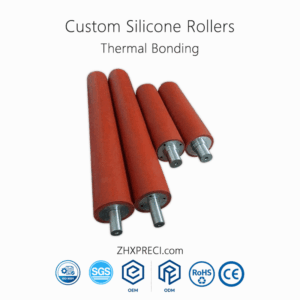
Custom Large Diameter Silicone Coated Rollers Wide Web
Read more -
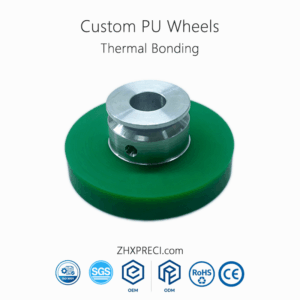
Custom Light Duty Rubber Wheels with Coating for Hand Trucks
Read more -
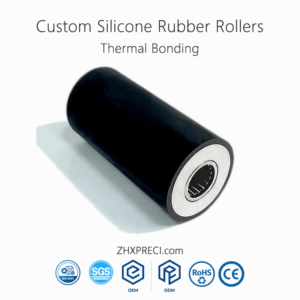
Custom Low Durometer Rubber Rollers for Soft Contact
Read more -
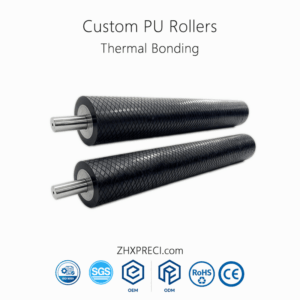
Custom Low Friction PU Rollers For High Speed Sorting Machines
Read more -
Custom Low Friction Rubber Wheels with Coating for Conveyor Rollers
Read more -
Custom Low Halogen Rubber Rollers for Enclosed Spaces
Read more -
Custom Low Noise PU Rollers For Warehouse Conveying
Read more -
Custom Low Noise Silicone Coated Rollers Quiet Operation
Read more -
Custom Low Outgassing Silicone Rollers Vacuum Use
Read more -
Custom Low Profile Rubber Wheels with Coating for Low Clearance Carts
Read more -
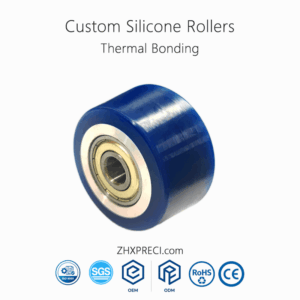
Custom Low Temperature Silicone Wheels Freezer Trolley
Read more -
Custom Medium Duty Rubber Wheels with Coating for Platform Carts
Read more -
Custom Mirror Finish Silicone Rollers Smooth Gloss
Read more -
Custom Moisture Proof Silicone Rollers Humid Environment
Read more -
Custom Narrow Web Silicone Rollers Label Converting
Read more -
Custom Neoprene Rubber Rollers for Outdoor Loading Docks
Read more
Understanding Custom PU Wheel Rollers: A Technical Overview for Industrial Buyers
Polyurethane (PU) wheel rollers represent a significant category of industrial mobility and material handling components. Unlike standard off-the-shelf wheels, custom PU wheel rollers are engineered to meet specific operational parameters—load requirements, environmental conditions, dimensional constraints, and performance characteristics. This classification covers a broad spectrum of products, from conveyor system rollers and guide wheels to heavy-duty transport casters and specialized OEM components.
The fundamental value proposition of custom polyurethane wheels lies in their versatility. Polyurethane elastomers can be formulated across a wide hardness range—typically from 20 Shore A to 85 Shore D—allowing manufacturers to tailor the material properties to the application. Softer formulations (70–80 Shore A) provide excellent traction, shock absorption, and quiet operation, while harder compounds (90–98 Shore A) offer superior load-bearing capacity, abrasion resistance, and low rolling resistance. This adaptability makes custom PU wheel rollers suitable for industries including steel and aluminum processing, woodworking, textiles, logistics, automotive assembly, and food processing.
Custom PU Wheel Rollers from ZHXPRECI | China OEM/ODM Factory Manufacturer Supplier Custom Elastomer Wheels & Rollers are produced through controlled manufacturing processes that include material formulation, casting or injection molding, machining, and quality inspection. The manufacturing approach typically involves bonding a polyurethane tread to a metal or engineered plastic core—common core materials include cast iron, steel, aluminum, and nylon. The bonding process between the PU elastomer and the core is a critical factor influencing the roller's service life and performance reliability. Proper bonding ensures the tread remains securely attached under dynamic loading and prevents delamination—a common failure mode in poorly manufactured rollers.
For B2B buyers, engineers, and procurement professionals evaluating custom PU wheel rollers, understanding the interplay between material selection, dimensional specifications, and application requirements is essential for making informed sourcing decisions. The following sections address the most frequently asked questions about custom polyurethane wheel rollers, providing technical context and practical guidance.
What Are Custom PU Wheel Rollers?
Custom PU wheel rollers are industrial wheels or cylindrical rolling components with a polyurethane elastomer tread, manufactured to specified dimensions, hardness, core configuration, and performance criteria. The "custom" designation indicates that the product is not a standard catalog item but rather engineered to order based on the buyer's application parameters.
These components serve as the rolling interface between equipment and surfaces—whether floors, rails, or other guided pathways. The polyurethane tread provides the functional surface that contacts the floor or track, while the core (typically metal or engineered plastic) provides structural integrity and the mounting interface. Common configurations include:
- Conveyor rollers — used in material handling systems to support and transport goods
- Guide rollers — employed to maintain alignment and reduce friction in guided motion systems
- Load wheels — designed to bear significant vertical loads in transport equipment
- Drive rollers — featuring hubs with set screws or keyways for powered applications
- Pallet truck wheels — used in manual and powered pallet handling equipment
- Forklift tires — providing traction and floor protection in warehouse environments
Custom PU Wheel Rollers from ZHXPRECI | China OEM/ODM Factory Manufacturer Supplier Custom Elastomer Wheels & Rollers encompass all these configurations, with engineering support available to translate application requirements into producible specifications.
Why Choose Polyurethane Over Rubber or Other Materials?
This is one of the most common questions from engineers and procurement professionals. The choice between polyurethane, rubber, nylon, and other materials depends on the specific application requirements, but polyurethane offers several distinct advantages:
Wear Resistance: Polyurethane generally exhibits superior abrasion resistance compared to natural rubber and many synthetic elastomers. Under medium-load conditions, PU wheels tend to outlast rubber wheels significantly. This translates to longer service intervals and reduced replacement costs over the equipment's lifecycle.
Load Capacity: Polyurethane can be formulated to achieve higher hardness levels than rubber while maintaining adequate elasticity. Harder PU compounds (90–98 Shore A) support heavier loads with less deformation than rubber alternatives. For applications involving substantial static or dynamic loads, PU often provides a more durable solution.
Rolling Resistance: Polyurethane wheels typically exhibit lower rolling resistance than softer rubber tread wheels. This means equipment requires less force to initiate and maintain movement—an important consideration for manually operated carts and pallet trucks.
Chemical and Environmental Resistance: Polyurethane formulations can be engineered to resist oils, greases, alkaline solutions, and many chemicals. While rubber may degrade when exposed to certain hydrocarbons, appropriately formulated PU maintains its properties in these environments. Temperature resistance typically ranges from -40°C to +80°C depending on the specific formulation, though specialized compounds can extend these limits.
Floor Protection: PU wheels are generally non-marking and floor-friendly. They provide a balance between traction and floor protection—hard enough to roll efficiently yet soft enough to avoid damaging sensitive flooring surfaces.
Nylon wheels, while extremely durable under heavy loads, tend to be noisier and provide less traction than PU. Rubber wheels offer excellent shock absorption but typically have shorter service lives due to wear and aging. Polyurethane occupies a middle ground that is often optimal for industrial applications requiring a combination of durability, floor protection, and rolling efficiency.
What Hardness Options Are Available for Custom PU Wheel Rollers?
Hardness is measured using the Shore durometer scale, with Shore A being the most common scale for polyurethane and rubber materials. The scale ranges from 0 (very soft) to 100 (very hard), with higher numbers indicating greater resistance to indentation.
For polyurethane wheel rollers, the available hardness range typically spans from approximately 20 Shore A to 85 Shore D. Within this range, different hardness levels suit different applications:
- 70–80 Shore A: Soft compounds offering excellent traction, shock absorption, and quiet operation. Suitable for applications where floor protection and ride comfort are priorities.
- 85–92 Shore A: Medium-hard compounds balancing load capacity with some elasticity. Commonly used in general industrial wheels and rollers.
- 93–98 Shore A: Hard compounds providing high load capacity, low rolling resistance, and exceptional abrasion resistance. Suitable for heavy-duty applications and guided rollers.
- 50–75 Shore D: Very hard materials approaching the hardness of rigid plastics. Used in specialized applications requiring minimal deformation under extreme loads.
The appropriate hardness for a given application depends on factors including load magnitude, floor surface characteristics, operating speed, temperature, and the required balance between traction and rolling resistance. Engineers should evaluate these parameters when specifying hardness for custom PU wheel rollers.
What Load Capacities Can Custom PU Wheel Rollers Support?
Load capacity varies widely based on roller dimensions, core material, PU hardness, and bearing configuration. Smaller rollers (e.g., 100 mm diameter) may support loads in the range of 100–500 kg, while larger, heavy-duty configurations can support substantially higher loads. The load capacity is not solely determined by the polyurethane tread—the core material, shaft diameter, and bearing selection all contribute to the overall load-bearing capability.
For applications involving dynamic loads (moving equipment, conveyors, pallet trucks), engineers must consider both static and dynamic load ratings. Dynamic loads—those encountered during motion—typically require de-rating factors compared to static loads. Operating speed, duty cycle, and floor conditions also influence the effective load capacity in real-world conditions.
When specifying custom PU wheel rollers, it is advisable to provide the maximum expected load, including any shock loading or peak loads that may occur during operation. This allows the manufacturer to select appropriate core materials, bearing configurations, and PU formulations to meet the application requirements.
What Industries Use Custom PU Wheel Rollers?
Custom polyurethane wheel rollers find application across virtually all industrial sectors that involve material movement, guided motion, or load transport. Key industries include:
Steel and Aluminum Processing: Rollers are used in tension leveler lines, coil handling equipment, and transport systems. The abrasion resistance of PU makes it suitable for handling metal products without damaging the material surface.
Logistics and Warehousing: Pallet trucks, forklifts, conveyor systems, and automated guided vehicles (AGVs) all utilize PU wheels and rollers. The combination of load capacity, floor protection, and rolling efficiency is particularly valued in warehouse environments.
Manufacturing and Assembly: Conveyor systems, transfer carts, and material handling equipment in automotive, electronics, and general manufacturing facilities rely on PU rollers for reliable material flow.
Textile and Woodworking: Rollers are used in processing equipment where the combination of traction and non-marking properties is essential.
Food Processing: Specialized PU formulations can meet food-contact requirements, making PU rollers suitable for food handling and processing equipment.
Amusement and Recreation: Roller coaster wheels, sightseeing wheel components, and various ride systems utilize PU wheels for their impact resistance, quiet operation, and durability.
Custom PU Wheel Rollers from ZHXPRECI | China OEM/ODM Factory Manufacturer Supplier Custom Elastomer Wheels & Rollers serve clients across these diverse industries, with engineering support to address industry-specific requirements.
How Are Custom PU Wheel Rollers Manufactured?
The manufacturing process for custom polyurethane wheel rollers typically involves several stages:
Material Formulation: The polyurethane elastomer is formulated based on the required hardness, color, and performance characteristics. Different isocyanates and polyols are combined to achieve the desired properties—whether high abrasion resistance, oil resistance, low-temperature flexibility, or other specific attributes.
Core Preparation: The core—whether cast iron, steel, aluminum, nylon, or other material—is machined to the specified dimensions. The core surface is prepared to ensure proper bonding with the polyurethane tread. This may involve cleaning, surface roughening, or application of adhesive primers.
Molding or Casting: The liquid polyurethane is poured or injected into a mold containing the prepared core. The material cures and bonds to the core during the polymerization process. For larger rollers or high-volume production, injection molding or compression molding may be employed.
Machining and Finishing: After curing, the roller may undergo machining to achieve final dimensional tolerances. This can include turning the tread surface to the specified diameter, machining the bore or mounting features, and applying any necessary surface treatments.
Quality Inspection: Finished rollers are inspected for dimensional accuracy, hardness, bonding integrity, and surface quality. Depending on the application, additional testing—such as load testing, runout measurement, or balance checking—may be performed.
For refurbishment applications, manufacturers can also remove worn polyurethane coatings from existing rollers and apply new PU treads, extending the service life of the core components.
What Factors Affect the Cost of Custom PU Wheel Rollers?
Several factors influence the cost of custom polyurethane wheel rollers:
Order Quantity: Larger production runs generally result in lower per-unit costs due to economies of scale in material procurement, mold amortization, and production efficiency.
Dimensional Specifications: Larger diameter rollers, wider treads, and more complex geometries require more material and may involve additional machining operations, increasing costs.
Material Selection: Specialized PU formulations—such as those with enhanced chemical resistance, extreme temperature tolerance, or food-grade certification—typically command premium pricing compared to standard compounds.
Core Material: The choice of core material significantly affects cost. Cast iron and steel cores are generally less expensive than aluminum or specialty alloys, though the appropriate core material depends on the application requirements.
Tolerances and Quality Requirements: Tight dimensional tolerances, stringent surface finish requirements, and additional testing or certification increase manufacturing costs.
Tooling and Setup: Custom molds or tooling may be required for non-standard configurations, representing an initial investment that is amortized across the production quantity.
For accurate cost estimation, it is advisable to provide complete specifications—including dimensions, hardness, core material, quantity, and any special requirements—to the manufacturer for quotation.
What Is the Typical Lead Time for Custom PU Wheel Rollers?
Lead time for custom polyurethane wheel rollers is subject to order quantity, current production schedule, and final specification confirmation. Factors that influence production timing include the complexity of the design, availability of core materials, curing time required for the polyurethane formulation, and the manufacturer's existing production backlog.
For new tooling or complex configurations, additional time may be required for mold fabrication and process validation. For repeat orders or standard configurations with established tooling, production typically proceeds more efficiently. Buyers are encouraged to discuss their timeline requirements with the manufacturer during the quotation process to establish realistic expectations based on the specific order parameters.
How to Select the Right Custom PU Wheel Roller Supplier?
Selecting a supplier for custom polyurethane wheel rollers involves evaluating several factors beyond price:
Manufacturing Capability: Assess whether the supplier has in-house capabilities for material formulation, molding or casting, machining, and quality control. Vertically integrated manufacturers often provide better quality control and more consistent results.
Technical Expertise: The supplier should demonstrate understanding of polyurethane chemistry, material properties, and application engineering. They should be able to recommend appropriate formulations and designs based on your application requirements.
Quality Systems: Look for suppliers with established quality management systems, such as ISO 9001 certification. Inquire about their inspection processes, testing procedures, and quality records.
Bonding Process: The bonding between the polyurethane tread and the core is critical to roller performance. Ask potential suppliers about their bonding methods and quality assurance for bond integrity.
Customization Flexibility: The supplier should be able to accommodate a range of customization options—hardness, dimensions, colors, core materials, and mounting configurations.
Communication and Responsiveness: Effective communication is essential for translating requirements into specifications and managing expectations regarding timelines and costs.
Custom PU Wheel Rollers from ZHXPRECI | China OEM/ODM Factory Manufacturer Supplier Custom Elastomer Wheels & Rollers offer comprehensive manufacturing capabilities and technical support for buyers seeking reliable custom polyurethane wheel roller solutions.
How to Maintain and Extend the Service Life of PU Wheel Rollers?
Proper maintenance can significantly extend the service life of polyurethane wheel rollers:
Regular Inspection: Inspect rollers periodically for signs of wear, flat spots, cracks, or damage to the tread surface. Early detection of issues allows for timely intervention before failure occurs.
Cleanliness: Keep rollers free from debris, oils, and chemicals that may degrade the polyurethane or affect performance. Regular cleaning with appropriate solvents (compatible with PU) helps maintain tread condition.
Load Management: Avoid exceeding the rated load capacity. Overloading accelerates wear and can cause premature failure of the tread or core.
Environmental Considerations: Be aware of the operating temperature range of the specific PU formulation. Exposure to temperatures outside the recommended range can affect material properties and service life.
Bearing Maintenance: For rollers with bearings, proper lubrication and bearing maintenance are essential. Worn bearings can cause uneven loading that accelerates tread wear.
Refurbishment: When the polyurethane tread wears down, refurbishment—stripping the old PU and applying a new layer—can extend the service life of the core component. This is often more cost-effective than replacing the entire roller assembly.
What Are the Common Failure Modes of PU Wheel Rollers?
Understanding potential failure modes helps in specifying appropriate rollers and implementing preventive maintenance:
Wear: Gradual loss of tread material due to friction with floors or tracks. This is the most common failure mode and is typically addressed through periodic replacement or refurbishment.
Flat Spotting: Deformation of the tread when the roller is stationary under load for extended periods. Softer PU compounds are more susceptible to flat spotting than harder compounds.
Cracking: Surface cracks may develop due to aging, exposure to incompatible chemicals, or operation outside the recommended temperature range.
Delamination: Separation of the polyurethane tread from the core due to inadequate bonding or excessive stress. This is a critical failure that can be prevented through proper manufacturing processes.
Chunking: Pieces of the tread breaking away, typically due to impact damage or material defects.
Bearing Failure: While not a failure of the PU itself, bearing failure can cause uneven loading and accelerated tread wear.
What Specifications Should Be Provided When Ordering Custom PU Wheel Rollers?
To ensure accurate quotation and manufacturing, the following information should be provided when ordering custom polyurethane wheel rollers:
- Dimensions: Outer diameter, tread width, bore diameter, and any critical mounting dimensions
- Hardness: Desired Shore A or Shore D hardness
- Core Material: Cast iron, steel, aluminum, nylon, or other specified material
- Load Requirements: Maximum static and dynamic loads
- Operating Conditions: Temperature range, chemical exposure, floor surface type
- Quantity: Order quantity for initial production and projected ongoing requirements
- Color: If a specific color is required for branding or identification purposes
- Special Requirements: Any certifications, testing, or quality documentation needed
Providing comprehensive specifications upfront reduces the need for back-and-forth clarification and accelerates the quotation and production process.
Are Custom PU Wheel Rollers Environmentally Friendly?
The environmental impact of polyurethane wheel rollers is a consideration for many organizations. Polyurethane is a synthetic polymer derived from petrochemical feedstocks, but several factors contribute to its environmental profile:
Durability: The long service life of PU rollers means fewer replacements over time, reducing material consumption and waste generation compared to shorter-lived alternatives.
Refurbishment Potential: The ability to strip and reapply PU treads to existing cores extends the life of the core component and reduces material waste.
Energy Efficiency: The low rolling resistance of PU wheels reduces the energy required to move equipment, contributing to operational energy efficiency.
Recycling: While polyurethane recycling infrastructure is less developed than for some thermoplastics, recycling options exist for certain PU materials. Manufacturers and buyers are increasingly exploring closed-loop recycling approaches.
Organizations with specific sustainability requirements should discuss these with potential suppliers to understand the available options and environmental attributes of different PU formulations and manufacturing processes.
Conclusion
Custom PU wheel rollers are versatile, durable components that serve critical functions across a wide range of industrial applications. Their adaptability—through adjustable hardness, dimensional customization, and material formulation—makes them suitable for applications from light-duty material handling to heavy industrial processing. For B2B buyers, engineers, and procurement professionals, understanding the technical parameters, application considerations, and selection criteria is essential for making informed sourcing decisions.
Custom PU Wheel Rollers from ZHXPRECI | China OEM/ODM Factory Manufacturer Supplier Custom Elastomer Wheels & Rollers represent a sourcing option for organizations seeking reliable custom polyurethane wheel roller solutions with engineering support and manufacturing capability. Buyers are encouraged to provide comprehensive specifications and discuss their application requirements with potential suppliers to ensure the selected rollers meet the operational demands of their equipment and processes.