
Custom Interchangeable Rubber Coated Rollers China
Custom Rubber Coated Rollers
Custom rubber rollers for conveying, printing, and material handling.
- 30–500kg load
- 60–95A hardness
- 60–300mm dia
- -30–+80°C temp
- ISO/REACH cert
Showing 1–16 of 118 results
-
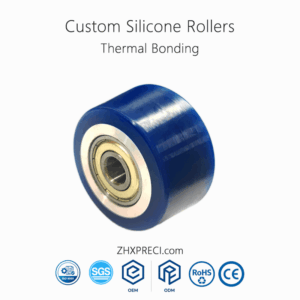
Blue Customized Silicone Rubber Coated Roller & High Quality Drive Guide Roller
Read more -
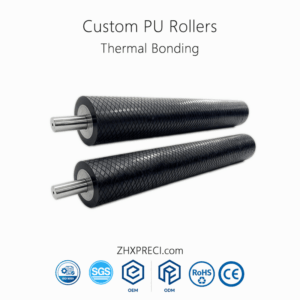
Custom Abrasion Resistant PU Rollers For Packaging Conveyors
Read more -
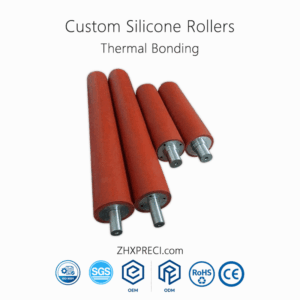
Custom Abrasion Resistant Silicone Coated Rollers Heavy Wear
Read more -
Custom Aluminum Core PU Rollers With Food Grade Compliance
Read more -
Custom Anti-Microbial Silicone Rollers Hygiene Grade
Read more -
Custom Anti-Static PU Rollers For Explosive Dust Environments
Read more -
Custom Anti-Static Silicone Coated Rollers Electronic Use
Read more -
Custom Antistatic PU Rollers For Electronics Conveying
Read more -
Custom ATEX Compliant PU Rollers For Mining Conveyor
Read more -
Custom ATEX Compliant Silicone Wheels Hazardous Area
Read more -
Custom Bearing Mounted Silicone Coated Rollers Quick Change
Read more -
Custom Bracket Mount Silicone Wheels Easy Installation
Read more -
Custom Cantilever Mounted Silicone Rollers Easy Access
Read more -
Custom Cast Iron Core PU Rollers With Keyway Mounting
Read more -
Custom CE Certified PU Rollers For Packaging Machinery
Read more -
Custom CE Certified Silicone Rollers European Market
Read more
What Are Custom Interchangeable Rubber Coated Rollers?
In industrial manufacturing and material handling, custom interchangeable rubber coated rollers represent a specialized category of precision-engineered components designed for applications requiring controlled friction, wear resistance, and dimensional consistency. These rollers consist of a metal core—typically steel, aluminum, or stainless steel—with a vulcanized elastomer or polyurethane outer layer. The defining characteristic is their interchangeability: rollers with identical core dimensions and mounting interfaces can be swapped quickly, minimizing downtime during maintenance or production changeovers.
These rollers are not off-the-shelf commodities; they are engineered to match specific machinery configurations, load requirements, and environmental conditions. Industries ranging from printing and packaging to steel processing and logistics rely on them for tasks such as web handling, substrate transport, laminating, coating, and tension control. The elastomer covering can be formulated from natural rubber, nitrile (NBR), neoprene (CR), EPDM, silicone, or polyurethane, each offering distinct properties in terms of hardness (Shore A), temperature tolerance, oil resistance, and abrasion resistance.
Custom Interchangeable Rubber Coated Rollers from ZHXPRECI | China OEM/ODM Factory Manufacturer Supplier Custom Elastomer Wheels & Rollers are produced with strict adherence to dimensional tolerances and surface finish specifications, ensuring that each roller meets the mechanical and operational demands of the customer's existing equipment. The customization extends to core diameter, face length, journal configuration, bearing housing, and the rubber compound itself.
What Does "Interchangeable" Mean in the Context of Rubber Rollers?
Interchangeability implies that rollers can be replaced without modifying the machine frame, bearings, or drive components. This requires precise control over critical dimensions such as overall length, journal diameter, concentricity, and radial runout. For a roller to be truly interchangeable, the replacement unit must fit the same bearing blocks, align with the same drive couplings, and maintain the same nip pressure characteristics as the original.
In practice, interchangeability also extends to the rubber covering. If a roller is used in a heated laminating line, the replacement must have the same thermal conductivity and thickness to ensure uniform heat transfer. For printing applications, the rubber hardness must match within a narrow tolerance to maintain consistent ink transfer. Manufacturers typically provide detailed technical drawings with critical tolerances, and any replacement roller is manufactured to those specifications.
This feature is particularly valuable for production lines where downtime costs are significant. Instead of sending a worn roller for re-covering and waiting days or weeks, facilities can keep a spare set of interchangeable rollers on hand. When wear exceeds acceptable limits, the roller is swapped in minutes, and the worn unit is sent for refurbishment at a convenient time.
How to Specify Custom Rubber Coated Rollers for Your Application
Specifying a custom rubber coated roller involves a systematic assessment of several parameters. The process begins with defining the mechanical interface: core material, shaft diameter, keyway dimensions, and mounting type (threaded, tapered, or straight). Next, the roller's face length and overall length must match the machine's frame width and clearance.
The elastomer selection is guided by the operating environment. Consider temperature extremes: silicone rubber can handle continuous service from -60°C to +230°C, while EPDM is suitable for steam and hot water applications up to +150°C. For oil and solvent exposure, nitrile (NBR) or polyurethane are preferred. Abrasion resistance is critical in applications involving abrasive webs or high nip pressures; polyurethane and high-durometer natural rubber offer excellent wear characteristics.
Hardness is measured on the Shore A scale. Softer rollers (30–50 Shore A) provide higher conformability and grip, ideal for uneven substrates. Medium-hard rollers (60–80 Shore A) balance grip with load capacity, common in general conveying and laminating. Hard rollers (85–95 Shore A) offer minimal deformation and are used in high-load calendering and metering applications.
Surface finish also matters. A smooth ground finish (typically 0.4–1.6 µm Ra) is standard for most applications, but some processes require a matte or textured surface to improve release or traction. For food-contact or pharmaceutical applications, the rubber compound must comply with FDA or EU food-grade regulations.
Key Technical Parameters and Industry Standards
While specific values depend on the final design, the following general technical ranges are typical for industrial rubber coated rollers. These values are based on common elastomer formulations and should be verified for each specific application.
- Core materials: Carbon steel (C45, S45C), stainless steel (304, 316L), aluminum alloy (6061, 7075), or ductile iron.
- Elastomer types: Natural rubber (NR), nitrile rubber (NBR), neoprene (CR), EPDM, silicone, polyurethane (PU), and Hypalon®.
- Hardness range: Typically from 20 Shore A to 98 Shore A, with polyurethane available up to 95 Shore A.
- Operating temperature: Standard NBR rollers perform from -30°C to +100°C; silicone rollers from -60°C to +230°C; EPDM from -40°C to +150°C.
- Tensile strength: Most rubber coverings have tensile strengths between 10 and 25 MPa, with polyurethane exceeding 30 MPa.
- Abrasion resistance: Measured by DIN 53516 or ASTM D5963; polyurethane shows volume loss typically below 30 mm³, while natural rubber is around 50–80 mm³.
- Concentricity tolerance: Usually within 0.05 mm TIR (Total Indicator Reading) for standard precision, and 0.02 mm for high-precision applications.
- Surface roughness: Standard finish Ra 0.8–1.6 µm, with polishing available down to Ra 0.2 µm for release applications.
These parameters are not absolute; they serve as a guideline for initial discussion. Actual specifications are determined through collaboration between the customer and the roller manufacturer, considering the specific machine dynamics, substrate characteristics, and environmental factors.
Common Materials for Rubber Coverings and Their Applications
Selecting the appropriate elastomer is a critical decision that directly impacts roller performance and service life. Each material family offers a distinct balance of properties.
- Natural Rubber (NR): Excellent resilience, high tensile strength, and good abrasion resistance. Commonly used in general conveying, impact absorption, and applications requiring high friction. Temperature range: -40°C to +70°C.
- Nitrile Rubber (NBR): Superior oil, grease, and solvent resistance. Widely used in printing, textile, and oil-handling equipment. Temperature range: -30°C to +100°C.
- Neoprene (CR): Balanced properties with moderate oil resistance, good ozone resistance, and flame retardancy. Suitable for outdoor or weather-exposed applications. Temperature range: -35°C to +100°C.
- EPDM: Outstanding resistance to heat, steam, and weathering. Ideal for hot water, steam drums, and outdoor conveyor systems. Temperature range: -40°C to +150°C.
- Silicone Rubber: Exceptional temperature resistance, good release properties, and FDA compliance for food contact. Used in food processing, thermal laminating, and medical device manufacturing. Temperature range: -60°C to +230°C.
- Polyurethane (PU): Extremely high abrasion resistance, load-bearing capacity, and tear strength. Common in heavy-duty conveying, steel processing, and precision metering. Temperature range: -30°C to +90°C.
- Hypalon® (CSPE): Good chemical resistance and weatherability, used in harsh chemical and marine environments.
When considering a custom solution, it is essential to evaluate not only the base elastomer but also the compounding additives that influence properties like color, electrical conductivity, and flame retardancy.
How to Achieve Interchangeability: Dimensional and Process Controls
Interchangeability is not achieved accidentally; it is the result of rigorous manufacturing controls and quality assurance protocols. The process begins with an accurate technical drawing that defines all critical dimensions, tolerances, and surface finish requirements. During production, the metal core is machined to exact specifications, and the rubber is applied through compression molding, injection molding, or extrusion, followed by vulcanization in an autoclave.
After vulcanization, the roller is ground to final dimensions using cylindrical grinding machines equipped with CNC controls. This step ensures that the outside diameter, concentricity, and surface finish are within the specified limits. Final inspection typically includes dimensional measurement using laser micrometers, hardness testing with a durometer, and runout measurement with a dial gauge. Each roller is assigned a unique serial number, and inspection records are maintained for traceability.
For customers requiring multiple identical rollers, Custom Interchangeable Rubber Coated Rollers from ZHXPRECI | China OEM/ODM Factory Manufacturer Supplier Custom Elastomer Wheels & Rollers are produced in matched sets, with each roller individually tested to guarantee that it can be used as a direct replacement for any other in the set. This level of consistency is achieved through standardized tooling, repeatable processing parameters, and statistical process control throughout the manufacturing workflow.
What Are the Typical Applications for Interchangeable Rubber Rollers?
Interchangeable rubber coated rollers are used in a broad spectrum of industrial sectors. Some of the most common applications include:
- Printing and Converting: Ink transfer, dampening, and impression rollers in flexographic, gravure, and offset presses.
- Packaging: Laminating, adhesive application, and embossing rollers for flexible packaging materials.
- Steel and Metal Processing: Bridle rollers, tension leveling rollers, and pinch rollers in strip processing lines.
- Paper and Tissue: Press rollers, felt wringer rollers, and calendar rollers in papermaking machines.
- Textile: Dye padder rollers, printing rollers, and finishing rollers in fabric processing.
- Material Handling: Conveyor drive rollers, idler rollers, and guide rollers for bulk and package handling.
- Plastic and Film: Extrusion rollers, take-up rollers, and nip rollers in film and sheet production.
- Food Processing: Dough sheeting rollers, coating rollers, and conveyor rollers with FDA-compliant coverings.
In each of these applications, the ability to quickly replace a worn or damaged roller without retooling or adjusting the machine frame is a significant operational advantage.
How to Maintain and Extend the Service Life of Rubber Coated Rollers
Proper maintenance is essential to maximize the service life of rubber coated rollers. Regular inspection should include visual checks for cracking, blistering, or delamination, as well as dimensional checks for wear or flattening. Surface cleaning with a mild solvent or soapy water helps remove accumulated debris and prevents abrasive wear.
Rollers should be stored in a cool, dry place away from direct sunlight, ozone sources (such as electric motors), and solvents. If stored for extended periods, they should be rotated periodically to prevent flat-spotting. When installed, nip pressure should be set according to the manufacturer's recommendations; excessive pressure accelerates wear and may cause core fatigue.
Regrinding of the rubber surface is possible when the roller shows signs of uneven wear or surface glazing. However, this reduces the rubber thickness, and the roller should be re-cover when the remaining thickness falls below the minimum specified by the design.
Customization Options: From Elastomer Compound to Core Configuration
Customization goes beyond choosing a rubber type. The core can be designed with specific journal configurations, keyways, or splines to match the drive mechanism. Balancing is often required for high-speed applications, with grades ranging from G6.3 to G2.5 per ISO 1940. For heating or cooling applications, the core can be manufactured with internal spiral or longitudinal passages for thermal fluid circulation.
For electrostatic discharge (ESD) or conductive applications, the rubber compound can be formulated with carbon black to achieve surface resistivity values from 10³ to 10⁹ ohms. Anti-static rollers are mandatory in handling sensitive electronic components or in explosive atmospheres.
The cover thickness is another customizable parameter. Typical thicknesses range from 3 mm to 30 mm, but thicker covers can be supplied for high-wear applications. The bonding system between the rubber and the metal core is critical; a high-strength adhesive system ensures that the cover does not separate under load.
Quality Assurance and Testing Protocols
Reputable manufacturers implement comprehensive quality assurance programs. Incoming raw materials—both the metal core and the elastomer compounds—are tested for composition and physical properties. During production, process parameters such as temperature, pressure, and time are continuously monitored. Finished rollers undergo a series of inspections:
- Dimensional verification using coordinate measuring machines (CMM) and laser scanning.
- Hardness testing at multiple points across the face and circumference.
- Concentricity and runout measurement with dial indicators.
- Visual and ultrasonic inspection for voids or delamination.
- Dynamic balancing where specified.
For critical applications, additional tests such as adhesion strength (peel test), thermal cycling, or oil immersion tests can be performed to validate performance under actual operating conditions.
How to Select the Right Supplier for Custom Rubber Rollers
When evaluating potential suppliers, consider their technical capabilities, quality management systems (ISO 9001, IATF 16949), and experience in your specific industry. A competent supplier will ask detailed questions about your application, including operating temperatures, chemical exposure, line speeds, and nip loads. They should be willing to provide material test reports and reference cases for similar applications.
Lead time is always a consideration, but it must be discussed in context. For Custom Interchangeable Rubber Coated Rollers from ZHXPRECI | China OEM/ODM Factory Manufacturer Supplier Custom Elastomer Wheels & Rollers, delivery schedules are subject to order quantity, current production schedule, and final specification confirmation. This approach ensures that the manufacturer can allocate the necessary resources for tooling, material procurement, and quality inspection, resulting in a reliable product delivered when both parties agree on a feasible timeline.
Frequently Asked Questions (FAQ)
What is the typical hardness range for rubber coated rollers?
Rubber coated rollers are available in Shore A hardness from 20 to 98, with most industrial applications falling between 50 and 90 Shore A. Soft rollers (20–50 Shore A) provide high conformability and friction, while hard rollers (80–98 Shore A) offer minimal deformation and high load capacity.
How do I know which rubber material is best for my application?
The material selection depends on the operating environment—temperature, chemical exposure, abrasion, and required grip. NBR is recommended for oil resistance, EPDM for steam and weather, silicone for extreme temperatures, and polyurethane for high abrasion and load. A detailed discussion with a roller engineer is advised.
Can rubber coated rollers be repaired or re-covered?
Yes, worn rollers can be re-covered by stripping the old rubber and applying a new layer. The core is inspected for damage, and if it meets dimensional criteria, it is prepared and re-covered with the specified elastomer. This is often more cost-effective than purchasing a new core.
What tolerances are achievable for interchangeable rollers?
Typical tolerances for outside diameter are ±0.05 mm, with concentricity within 0.05 mm TIR. For high-precision applications, tighter tolerances of ±0.02 mm on diameter and 0.02 mm TIR on runout are possible. These are subject to the roller's length and diameter.
Are these rollers suitable for food-grade applications?
Yes, rollers can be manufactured with FDA-compliant silicone, polyurethane, or EPDM compounds. The entire manufacturing process must be controlled to prevent contamination, and certificates of compliance are available.
How should I store spare rubber rollers?
Store them in a cool, dry environment (ideally 15–25°C) with humidity below 65%. Keep them away from ozone sources, direct sunlight, and petroleum-based solvents. If stacked, use padded supports to prevent distortion.
What causes rubber roller failure?
Common failure modes include abrasion, surface glazing, cracking (ozone or thermal), blistering (due to trapped air or moisture), and delamination (bond failure). Many of these can be mitigated by proper selection, installation, and maintenance.
Can rollers be balanced for high-speed operation?
Yes. Dynamic balancing is performed on high-speed rollers to minimize vibration. Balancing grades from G6.3 down to G2.5 per ISO 1940 are achievable, depending on the roller mass and speed.
Is it possible to have a conductive or anti-static roller?
Absolutely. Special compounds with carbon black or other conductive fillers can achieve surface resistivity from 10³ to 10⁹ ohms. These are essential for applications involving electronic components or explosive atmospheres.
What is the difference between a rubber roller and a polyurethane roller?
Rubber rollers (natural rubber, NBR, EPDM, silicone) offer good resilience and damping, while polyurethane rollers provide superior abrasion and tear resistance. PU rollers also have higher load capacity and can be manufactured in a wider hardness range without plasticizers.
Conclusion and Summary
Custom interchangeable rubber coated rollers are precision components that play a vital role in numerous industrial processes. Their value lies not only in their immediate function—whether conveying, metering, or tensioning—but also in their ability to be replaced swiftly, minimizing production interruptions. The selection process requires careful consideration of core materials, elastomer compounds, hardness, temperature resistance, and dimensional tolerances, all of which must be aligned with the specific demands of the application.
Manufacturing excellence is demonstrated through rigorous dimensional control, material testing, and final inspection. A collaborative partnership with an experienced supplier ensures that the roller design meets the operational requirements and that delivery schedules are realistic and mutually agreeable.
Custom Interchangeable Rubber Coated Rollers from ZHXPRECI | China OEM/ODM Factory Manufacturer Supplier Custom Elastomer Wheels & Rollers are engineered to provide reliable performance and consistent interchangeability. By focusing on quality materials, precise manufacturing, and thorough testing, these rollers help industrial facilities maintain productivity and reduce unplanned downtime.
For engineers and procurement specialists, the decision to invest in custom interchangeable rollers should be based on a balanced assessment of technical requirements, total cost of ownership, and the supplier's ability to deliver consistent quality over the long term. With proper specification and maintenance, these rollers can provide a cost-effective solution for material handling and processing challenges across a wide spectrum of industries.