
Custom Oil Resistant Rubber Coated Rollers
Custom Oil Resistant Rubber Coated Rollers
Custom oil resistant rollers for heavy loads.
- 30‑500kg load
- 60‑95A hardness
- 60‑300mm dia
- -30‑+100°C temp
- ISO/REACH cert
Showing 1–16 of 133 results
-
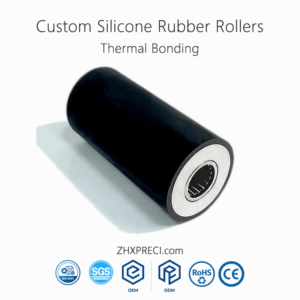
Black PU Rubber Coated Wheel Roller Industrial Grade for Automation Machinery Conveyor Transport and Factory Use
Read more -
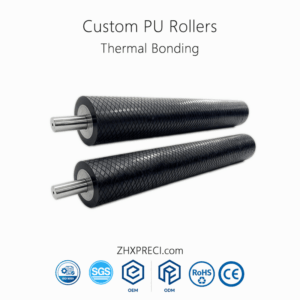
Custom Abrasion Resistant PU Rollers For Packaging Conveyors
Read more -
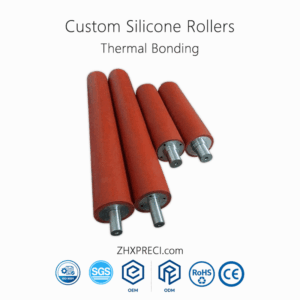
Custom Abrasion Resistant Silicone Coated Rollers Heavy Wear
Read more -
Custom Air Cooled Rubber Rollers with Internal Channels
Read more -
Custom Aluminum Core PU Rollers With Food Grade Compliance
Read more -
Custom Anti-Microbial Silicone Rollers Hygiene Grade
Read more -
Custom Anti-Static PU Rollers For Explosive Dust Environments
Read more -
Custom Anti-Static Silicone Coated Rollers Electronic Use
Read more -
Custom Antistatic PU Rollers For Electronics Conveying
Read more -
Custom API Grade Rubber Rollers for Drill Pipe Wiper
Read more -
Custom ATEX Compliant PU Rollers For Mining Conveyor
Read more -
Custom ATEX Compliant Rubber Rollers for Grain Handling
Read more -
Custom Bearing Mounted Silicone Coated Rollers Quick Change
Read more -
Custom Cantilever Mount Rubber Rollers for Narrow Spaces
Read more -
Custom Cantilever Mounted Silicone Rollers Easy Access
Read more -
Custom Cast Iron Core PU Rollers With Keyway Mounting
Read more
Understanding Custom Oil Resistant Rubber Coated Rollers
In demanding industrial environments, the performance of material handling and processing equipment often hinges on the reliability of its components. Among these, rollers play a pivotal role. Custom oil resistant rubber coated rollers are engineered solutions designed to offer superior traction, load support, and wear resistance in applications where exposure to oils, greases, and various industrial fluids is a constant challenge. These components are not off-the-shelf items; they are precision-manufactured to meet the specific dimensional, durometer, and material property requirements of unique machinery and production lines.
At its core, an oil resistant rubber coated roller consists of a metallic core, typically steel or aluminum, which is subsequently bonded with a specialized synthetic rubber compound. The selection of the rubber compound is critical. Materials such as Nitrile Butadiene Rubber (NBR), Hydrogenated Nitrile Butadiene Rubber (HNBR), and Fluoroelastomers (FKM) are frequently specified for their excellent resistance to petroleum-based fluids, aliphatic hydrocarbons, and hydraulic fluids. The manufacturing process involves precise molding, grinding, and finishing techniques to achieve the required dimensional tolerances and surface texture.
What are Custom Oil Resistant Rubber Coated Rollers?
Custom oil resistant rubber coated rollers are cylindrical components featuring a durable rubber outer layer bonded to a central shaft or core. The defining characteristic of these rollers is their engineered resilience against degradation caused by contact with industrial oils, coolants, and solvents. While standard rollers may swell, crack, or lose their physical properties when exposed to such substances, oil resistant variants maintain their structural integrity and functional performance over extended service intervals.
The term "custom" signifies that these rollers are not mass-produced to a generic standard. Instead, they are designed and manufactured to precise client specifications. This includes custom dimensions (diameter, length, and shaft configuration), specific rubber hardness (measured on the Shore A scale), unique surface finishes (such as spiral grooving or diamond knurling), and specialized bonding systems to ensure the rubber layer remains securely attached to the core under operational stresses. This customization is essential for optimizing performance in applications ranging from printing presses and packaging lines to steel processing and automotive assembly.
Key Material Properties and Technical Considerations
The efficacy of a rubber coated roller is largely determined by the properties of its elastomeric covering. For oil resistance, the molecular structure of the polymer is the primary factor. The polarity of the rubber compound influences its interaction with non-polar oils, where a higher polarity typically yields superior resistance. The following material properties are frequently considered during the selection and design phase:
- Oil and Chemical Resistance: The ability of the rubber to withstand swelling, weight gain, and deterioration in mechanical properties when immersed in or exposed to specific oils, greases, and cleaning agents. NBR compounds typically exhibit good resistance to mineral oils and hydraulic fluids, while FKM offers exceptional resistance to a broader range of chemicals and elevated temperatures.
- Hardness (Durometer): Measured on the Shore A scale, hardness influences the roller's resistance to indentation and its ability to conform to surfaces. A softer compound (e.g., 60 Shore A) provides higher friction and conformity, while a harder compound (e.g., 90 Shore A) offers greater abrasion resistance and load-bearing capacity. The optimal hardness is determined by the application's pressure and required traction.
- Tensile Strength and Elongation: These parameters indicate the material's resistance to tearing and stretching. Higher tensile strength is generally preferred for applications involving significant mechanical stress or where the roller is subjected to pulling forces.
- Temperature Range: The operational temperature range is a vital factor. While standard NBR compounds are functional within a range of approximately -30°C to +100°C, specialized compounds like HNBR or FKM can withstand continuous exposure to temperatures exceeding 150°C, and in some cases, up to 200°C for short periods, depending on the specific formulation.
- Abrasion and Wear Resistance: The ability of the rubber surface to resist wear from friction against webs, substrates, or other mechanical contacts is crucial for prolonging service life. This property is directly related to the compound's formulation and its resistance to material loss.
- Bond Integrity: The adhesion between the rubber layer and the metal core is paramount. Advanced bonding agents and surface preparation techniques, such as sandblasting and the application of proprietary adhesives, are employed to ensure that the rubber does not separate from the core under operational torque and pressure.
How to Select the Appropriate Roller Specification?
Selecting the appropriate custom oil resistant rubber coated roller is a multi-faceted process that requires a thorough understanding of the operational environment. It begins with a detailed analysis of the chemicals and temperatures the roller will encounter. The first step is to identify the specific fluids present. Is it primarily hydraulic oil, cutting fluid, or a solvent-based cleaning agent? This identification guides the material selection.
Subsequently, the mechanical requirements must be evaluated. What are the load and pressure requirements? This helps determine the appropriate durometer and the thickness of the rubber layer. The required surface finish must be defined, as a smooth finish may be necessary for precise printing or coating, while a textured finish might be required for enhanced traction in conveying applications.
Finally, the dimensional specifications must be meticulously documented. This includes the overall length, the diameter of the rubber surface, the core diameter, shaft dimensions, and the location of any keyways or set screw holes. It is advisable to provide a detailed drawing or a sample for reverse engineering to ensure precision. The selection process is collaborative, where the application data is translated into a manufacturable and reliable design.
Common Applications and Industrial Use Cases
Custom oil resistant rubber coated rollers are indispensable across a wide spectrum of industries. Their ability to perform reliably in the presence of lubricants and industrial chemicals makes them essential in processes where contamination or degradation cannot be tolerated. Typical applications include:
- Printing and Converting: Used in flexographic and gravure printing presses, these rollers transfer inks and coatings while being exposed to solvent-based and oil-based formulations.
- Metal Processing and Steel Mills: In steel processing, rollers are subjected to high temperatures and cooling fluids. They are used in galvanizing lines, pickling lines, and coil handling equipment.
- Automotive Manufacturing: Used in assembly lines for conveying components and in paint shops where they are exposed to paint, solvents, and cleaning agents.
- Packaging and Labeling: Employed in adhesive application, lamination, and labeling machinery where they contact hot-melt adhesives and solvent-based glues.
- Food Processing (Indirect Contact): In certain food processing applications where there is a risk of oil migration from machinery, specialized oil-resistant compounds compliant with food contact regulations are utilized.
- Textile and Nonwovens: Used in finishing and coating processes where they come into contact with oils, waxes, and chemical baths.
Frequently Asked Questions (FAQ)
The following section addresses common queries that engineers and procurement specialists often raise regarding the specification and procurement of custom oil resistant rubber coated rollers.
What is the typical operational lifespan of an oil resistant rubber coated roller?
The operational lifespan is highly variable and is contingent upon the severity of the application, the frequency of exposure to chemicals, the operational temperature, and the mechanical load. Regular maintenance, including cleaning and periodic inspection for surface wear or dimensional changes, is crucial for maximizing service life. The manufacturer can provide estimated service intervals based on the specific compound and design selected.
How does the manufacturing process ensure a strong rubber-to-metal bond?
A robust bond is achieved through a combination of mechanical and chemical processes. The metal core is typically grit-blasted to create a rough surface profile, which enhances mechanical interlocking. This is followed by the application of a specialized adhesive primer, which chemically bonds with both the rubber compound during the vulcanization process, creating a strong, durable union.
Can the surface of the roller be custom textured or grooved?
Yes, custom texturing and grooving are common specifications. The surface finish is applied during the grinding process. Common configurations include spiral grooves, which aid in fluid dispersion and sheet guidance, and diamond knurling, which is used to improve grip and traction. The specific pattern is selected based on the requirements of the manufacturing process.
Is it possible to recoat or refurbish worn rollers?
Yes, in many cases, the rubber coating can be stripped from the core, the core inspected and re-prepared, and a new rubber layer applied. This refurbishment process can be a cost-effective alternative to purchasing a new roller, provided the metal core remains within its operational specifications.
What information is required to request a custom quotation?
To initiate a custom quotation, it is essential to provide comprehensive information. This includes a detailed drawing of the roller, specifying dimensions, tolerances, and shaft details. Additionally, the operational conditions, such as the exact chemicals present, maximum and minimum temperatures, operating speeds, and pressures, should be clearly outlined. This data ensures the correct material and design are proposed.
How does the hardness of the roller affect its performance in oil-laden environments?
Hardness is a critical factor. In environments with high pressure, a harder compound (e.g., 85-95 Shore A) is often specified to resist deformation and maintain a consistent nip pressure, which is particularly important in calendering or high-speed web handling. Conversely, a softer compound may be chosen for applications requiring higher conformity to a substrate or to compensate for surface irregularities.
What are the advantages of using HNBR over standard NBR?
While both NBR and HNBR offer good oil resistance, HNBR provides significantly improved heat resistance, ozone resistance, and mechanical strength, particularly at elevated temperatures. This makes HNBR a preferred choice for demanding applications in the automotive and oil and gas sectors where exposure to high temperatures and aggressive additives is common. The selection between the two involves balancing performance requirements with cost considerations.
Technical Data and Performance Ranges
To provide a more concrete understanding, it is useful to consider the typical performance ranges associated with these components, based on established industry data. These figures are general guidelines, and actual performance is contingent upon the specific compound formulation and application conditions.
- Temperature Range (Continuous): -30°C to +100°C for standard NBR compounds; -40°C to +150°C for HNBR; -20°C to +200°C for FKM.
- Hardness Range (Shore A): Typically available from 40 to 95 Shore A.
- Tensile Strength: Can range from 10 MPa to over 25 MPa, depending on the polymer and reinforcing fillers used.
- Elongation at Break: Generally falls between 150% and 600%, indicating the material's flexibility.
- Oil Swell (Volume Increase in ASTM Oil #3 at 100°C for 70 hours): For high-quality NBR compounds, this is often below 20%, while HNBR can exhibit significantly lower swell values.
Why Choose Custom Manufacturing for Your Roller Needs?
Choosing a custom manufacturing approach for oil resistant rubber coated rollers ensures that the component is perfectly matched to its specific task. Off-the-shelf solutions often necessitate compromises in dimensions, material properties, or performance characteristics. Custom manufacturing eliminates these compromises.
It allows for the optimization of the rubber compound based on the precise chemical exposure in the plant, the implementation of specific surface textures to optimize traction or fluid management, and the tailoring of the core design to ensure perfect integration with the existing mechanical systems. This approach directly contributes to a reduction in unplanned downtime and maintenance costs, while concurrently enhancing the overall efficiency of the production line.
Custom Oil Resistant Rubber Coated Rollers from ZHXPRECI | China OEM/ODM Factory Manufacturer Supplier Custom Elastomer Wheels & Rollers are developed with this meticulous attention to detail. The focus is on engineering solutions that address the specific challenges of each client's operation, ensuring that the rollers deliver consistent, reliable performance throughout their service life. The manufacturing process is designed to be adaptable, accommodating various sizes, compounds, and configurations to meet diverse project requirements.
The approach to manufacturing these components is grounded in a commitment to technical precision. The focus is on delivering rollers that meet the exacting demands of modern industrial processes, contributing to operational stability and productivity. The goal is to provide a product that functions as an integral, reliable part of your machinery, minimizing the risk of operational interruptions.
Conclusion and Final Considerations
Custom oil resistant rubber coated rollers represent a sophisticated solution for industrial applications where standard components fall short. Their design is an exercise in material science and precision engineering, aimed at creating a durable, high-performance interface between machinery and the materials being processed. By selecting the right compound, hardness, and dimensional specifications, operations can significantly enhance their efficiency and reliability.
When engaging with suppliers, it is advisable to focus on collaborative technical dialogue. Providing comprehensive application data is the most effective path to securing a roller specification that perfectly matches operational demands. This collaborative approach ensures that the final product delivers the required performance and longevity, making it a sound investment for any production environment.
For those seeking reliable, durable, and precisely engineered components, Custom Oil Resistant Rubber Coated Rollers from ZHXPRECI | China OEM/ODM Factory Manufacturer Supplier Custom Elastomer Wheels & Rollers represent a viable solution. The emphasis is on leveraging advanced manufacturing capabilities to produce rollers that align with the functional requirements of a broad array of industrial sectors. The focus remains on providing a product that supports the consistent, efficient operation of your equipment.
Lead times for such custom-engineered products are determined collaboratively during the order confirmation stage. The delivery schedule is subject to order quantity, current production schedule, and final specification confirmation, ensuring a realistic and mutually agreeable timeline is established.