
Custom Conveyor Industrial Rubber Rollers
Custom Conveyor Industrial Rubber Rollers
Precision rubber rollers for conveying, tailored to your load and environment.
- 30-500kg load
- 30-95A Shore
- 60-300mm dia
- -30-+80°C temp
- ISO/REACH cert
Showing 1–16 of 118 results
-
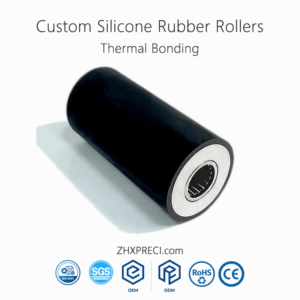
Black PU Rubber Coated Wheel Roller Industrial Grade for Automation Machinery Conveyor Transport and Factory Use
Read more -
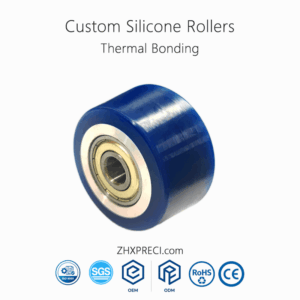
Blue Customized Silicone Rubber Coated Roller & High Quality Drive Guide Roller
Read more -
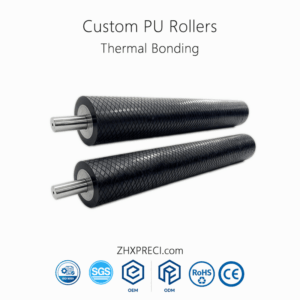
Custom Abrasion Resistant PU Rollers For Packaging Conveyors
Read more -
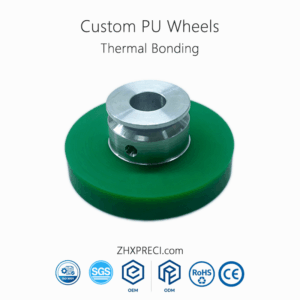
Custom Abrasion Resistant Rubber Wheels with Coating for Mining Equipment
Read more -
Custom Air Cooled Rubber Rollers with Internal Channels
Read more -
Custom Alkali Proof Rubber Wheels with Coating for Industrial Washers
Read more -
Custom Aluminum Core PU Rollers With Food Grade Compliance
Read more -
Custom Anti Vibration Rubber Wheels with Coating for Precision Instruments
Read more -
Custom Anti-Static PU Rollers For Explosive Dust Environments
Read more -
Custom Antistatic PU Rollers For Electronics Conveying
Read more -
Custom Antistatic Rubber Wheels with Coating for Cleanroom Carts
Read more -
Custom API Grade Rubber Rollers for Drill Pipe Wiper
Read more -
Custom ATEX Compliant PU Rollers For Mining Conveyor
Read more -
Custom ATEX Compliant Rubber Rollers for Grain Handling
Read more -
Custom ATEX Compliant Silicone Wheels Hazardous Area
Read more -
Custom Bracket Mount Silicone Wheels Easy Installation
Read more
Understanding Custom Conveyor Industrial Rubber Rollers
In material handling and processing operations, custom conveyor industrial rubber rollers serve as essential components that facilitate efficient transport, tension control, and product guidance across diverse production environments. These engineered cylindrical assemblies consist of a metal core (typically steel or aluminum), a specialized rubber covering, and precision bearings, all configured to meet specific application demands. Unlike standard off-the-shelf rollers, custom-engineered variants allow B端 buyers and design engineers to specify dimensions, rubber compounds, durometer (hardness), surface patterns, and shaft configurations that align precisely with their conveyor system architecture and operational parameters.
Custom Conveyor Industrial Rubber Rollers from ZHXPRECI | China OEM/ODM Factory Manufacturer Supplier Custom Elastomer Wheels & Rollers are developed through a collaborative engineering process that considers factors such as load weight, line speed, environmental conditions (temperature, humidity, chemical exposure), and required service life. The rubber covering may be formulated from natural rubber, neoprene, nitrile (NBR), EPDM, silicone, or polyurethane, each offering distinct resistance profiles against abrasion, oils, heat, ozone, or weathering. For example, NBR compounds are frequently specified in applications involving petroleum-based lubricants, while EPDM is preferred for outdoor or steam-exposed environments due to its excellent weather and heat aging characteristics.
The geometric precision of these rollers affects belt tracking, product alignment, and overall system efficiency. Common outside diameter (OD) tolerances range from ±0.005 inches for standard precision applications to ±0.002 inches for high-accuracy printing or converting lines. Face lengths can be customized from a few inches to over 30 feet, with shaft options including through-shaft, stub shaft, or tapped hole configurations. The selection of bearing types—sealed ball bearings, spherical roller bearings, or custom pillow block assemblies—further influences radial load capacity and maintenance intervals.
Key Technical Characteristics and Material Selection
When evaluating custom conveyor industrial rubber rollers, procurement professionals and design engineers focus on several quantifiable properties that directly impact performance and longevity. The durometer, measured on the Shore A scale, typically ranges from 30 to 95, with lower values indicating softer, more compliant surfaces suitable for gripping delicate products or compensating for minor misalignments, while higher durometers provide greater wear resistance and load-bearing capacity for heavy-duty applications. In many industrial settings, a hardness of 60–75 Shore A represents a balanced choice for general conveying duties, offering adequate traction without excessive deformation under compression.
Tensile strength, tear resistance, and elongation at break are other critical material parameters. For instance, high-quality rubber compounds for conveyor rollers often exhibit tensile strengths between 1,500 and 2,500 psi, with tear resistance values exceeding 150 pounds per linear inch, depending on the specific polymer and reinforcing fillers. Operating temperature ranges vary widely: standard nitrile compounds function effectively from -40°F to 225°F, while silicone-based materials can handle excursions up to 450°F for short durations. These performance metrics must be cross-referenced with the conveyor’s environment—whether it involves hot asphalt, frozen foods, acidic chemicals, or abrasive ores—to avoid premature failure or unplanned downtime.
Surface finishes also play a pivotal role in application success. Plain smooth surfaces are suitable for most transport applications, while grooved, diamond-knurled, or perforated patterns may be specified to enhance drainage, improve traction on inclined belts, or facilitate release of sticky materials. Custom Conveyor Industrial Rubber Rollers from ZHXPRECI can be manufactured with concentricity tolerances as fine as 0.001 inches total indicator reading (TIR), ensuring minimal vibration and consistent web or product handling in high-speed converting, printing, or laminating processes. Additionally, the bonding between rubber cover and metal core must meet minimum peel strength requirements (often exceeding 80 pounds per inch of width) to prevent delamination under dynamic loading, and this is typically verified through destructive testing on sample coupons from each production batch.
Engineering Considerations for Roller Sizing and Load Capacity
Proper sizing of custom conveyor industrial rubber rollers requires careful analysis of the conveyor system’s mechanical dynamics. The radial load capacity—a function of shaft diameter, core wall thickness, bearing selection, and rubber cover stiffness—determines the maximum weight the roller can support without excessive deflection that would cause belt misalignment or product damage. For a typical steel-core roller with a 2-inch shaft and 6-inch outside diameter, the static radial load capacity may range from 2,000 to 5,000 pounds, depending on the bearing spacing and support arrangement. However, actual working loads should be derated by a factor of 1.5 to 2.0 to account for shock loads, acceleration forces, and uneven weight distribution encountered during normal operation.
Dynamic balancing is another crucial consideration for rollers operating at peripheral speeds above 500 feet per minute. Unbalanced rollers induce cyclic vibrations that accelerate bearing wear, cause noise, and may affect product quality in sensitive applications like coating or calendering. Industry practice typically specifies balancing to ISO 1940 Grade G6.3 or finer, depending on the rotational speed and the application’s sensitivity to vibration. For high-speed converting lines exceeding 1,000 feet per minute, balancing grades of G2.5 or even G1.0 may be recommended, requiring specialized dynamic balancing equipment and precise material removal from the roller ends.
Furthermore, the thermal expansion characteristics of both the metal core and rubber covering must be considered, especially in environments with wide temperature fluctuations. Steel has a coefficient of thermal expansion of approximately 6.5 × 10⁻⁶ per °F, while rubber compounds may expand at rates 10 to 20 times higher. This differential can affect the interference fit between the rubber and core, potentially leading to loosening or buckling if not properly accounted for in the design. Experienced manufacturers often incorporate finite element analysis (FEA) to predict these interactions and optimize the roller geometry for the expected temperature envelope, ensuring reliable performance throughout the equipment’s operational lifecycle.
What Are the Common Rubber Compounds Used in Conveyor Rollers?
Selecting the appropriate elastomer for conveyor rollers is a decision that significantly influences service life and maintenance costs. Natural rubber (NR) offers excellent resilience and abrasion resistance, making it a popular choice for general-purpose conveyors handling aggregate, sand, or grain. Its tear strength is among the highest of all elastomers, but it performs poorly in contact with oils, fuels, or ozone, limiting its use in chemical or outdoor applications. Neoprene (polychloroprene) provides a balanced combination of oil resistance, weathering resistance, and flame retardance, suitable for indoor industrial environments where moderate oil exposure exists.
Nitrile (NBR) is the compound of choice when resistance to petroleum-based oils, greases, and hydraulic fluids is paramount, commonly used in automotive assembly lines, machine tool conveyors, and metalworking chip handling systems. Its acrylonitrile content can be varied (from 18% to 50%) to tune the balance between oil resistance and low-temperature flexibility. EPDM (ethylene-propylene-diene monomer) excels in outdoor, steam, and hot-water applications due to its exceptional resistance to weather, ozone, and heat aging up to 300°F; it is frequently specified for food processing, agricultural conveyors, and roof-top equipment. Silicone rubber, although more expensive, offers superior high-temperature stability (up to 450°F) and excellent release properties for sticky materials like adhesives, plastics, or food products, but it has lower abrasion resistance than other compounds.
Polyurethane (PU) elastomers bridge the gap between rubber and plastics, offering outstanding abrasion resistance (often 3–5 times that of natural rubber), high load-bearing capacity, and excellent resistance to cutting and tearing. They are widely used in high-wear applications such as aggregate screening, recycling sortation, and powered roller conveyors handling sharp-edged metal parts. However, polyurethane’s processing requires careful moisture control and precise stoichiometry, and its hardness is less adjustable than rubber, typically ranging from 70 Shore A to 95 Shore A. Each material presents trade-offs in cost, manufacturability, and performance, and the optimal choice depends on a thorough analysis of the operating conditions, maintenance capabilities, and total cost of ownership over the equipment’s expected life.
How to Specify Custom Conveyor Rubber Rollers for Your Application
Effective specification of custom conveyor industrial rubber rollers begins with a comprehensive application data sheet that captures all relevant operational parameters. Start by documenting the conveyor’s duty cycle—continuous, intermittent, or start-stop—and the maximum load per roller, including any impact forces from product drops or abrupt starts. Next, measure the belt width and determine the required roller face length, typically 2 to 4 inches wider than the belt to accommodate tracking variations. The core diameter and shaft size should be selected based on the torque requirements and the available space within the conveyor frame, ensuring sufficient strength to prevent bending under full load.
Environmental factors must be meticulously recorded, including ambient temperature range, presence of water, steam, chemicals, or abrasive dust, and exposure to ultraviolet radiation if installed outdoors. These conditions dictate the appropriate rubber compound, as discussed earlier, and may also influence the choice of core material—stainless steel for corrosive environments, or aluminum for weight-sensitive mobile equipment. If the roller operates in a food processing area, materials must comply with FDA or EU regulations for indirect food contact, requiring certified compounds and clean manufacturing protocols to prevent contamination.
Finally, define the required dimensional tolerances, surface finish, and balancing grade, referencing industry standards such as ANSI/CEMA (Conveyor Equipment Manufacturers Association) or ISO specifications whenever possible. Provide clear drawings with critical dimensions, tolerances, and any special features such as spiral grooves, rubber lagging patterns, or custom end caps. Collaborating with an experienced supplier early in the design phase can help identify potential manufacturing constraints or cost-saving opportunities, such as standardizing shaft sizes or using common bearing housings. Custom Conveyor Industrial Rubber Rollers from ZHXPRECI offer flexible customization options, with lead times subject to order quantity, current production schedule, and final specification confirmation, allowing engineering teams to balance urgency with design optimization.
Quality Assurance and Performance Verification
Reliable performance of custom conveyor rubber rollers depends on rigorous quality control measures throughout the manufacturing process. Raw materials should be traceable to batch and tested for physical properties—hardness, tensile strength, elongation, and specific gravity—to ensure consistency with the approved formulation. During production, the bonding between rubber and metal core is verified through visual inspection, ultrasonic testing, or peel-strength tests on representative samples, confirming adhesion meets or exceeds the design requirements. Dimensional checks using coordinate measuring machines (CMM) or optical comparators verify that concentricity, roundness, and face width fall within the specified tolerances.
Dynamic testing, such as high-speed spin balancing and runout measurement, simulates actual operating conditions to detect any imbalance or eccentricity that could lead to premature bearing failure or vibration. For critical applications, manufacturers may perform a full-load test on a dedicated test stand, monitoring temperature rise, noise level, and deflection under simulated working loads. Documentation of all test results, including material test certificates, dimensional inspection reports, and balancing records, provides traceability and supports the buyer’s own quality systems.
It is important to note that no manufacturing process can guarantee absolute perfection in every unit, but systematic quality management—such as adherence to ISO 9001:2015 or equivalent standards—significantly reduces the probability of defects. B端采购商 are encouraged to request a quality plan outlining inspection points, acceptance criteria, and corrective action procedures as part of the purchasing agreement. This proactive approach helps align expectations, mitigate risks, and foster a long-term partnership based on transparency and continuous improvement, rather than relying on unsubstantiated claims of faultless production.
Installation, Maintenance, and Service Life Considerations
Proper installation is foundational to achieving the expected service life from custom conveyor rubber rollers. The roller should be mounted with parallel alignment to the conveyor frame, using precision shims or adjustable bearing blocks to ensure the shaft is perpendicular to the belt travel direction. Excessive angular misalignment can cause uneven wear on the rubber cover, accelerated bearing wear, and belt tracking issues that increase energy consumption and maintenance frequency. Torque specifications for bearing housing bolts should be followed to avoid distortion of the bearing race or housing, which could reduce bearing life by 50% or more.
Routine maintenance involves periodic inspection of the rubber cover for cuts, gouges, blistering, or glazing (shiny, hardened surfaces indicating excessive heat or chemical degradation). A durometer check with a handheld Shore A meter can detect softening or hardening of the rubber, signaling potential compound degradation or exposure to incompatible materials. Bearings should be relubricated according to the manufacturer’s recommendations, typically every 3 to 6 months for moderate-duty applications, using a lithium-based or synthetic grease appropriate for the operating temperature. Vibration monitoring and infrared thermography can identify developing issues such as imbalance, bearing wear, or belt slip before they escalate into unplanned downtime.
The expected service life of a custom conveyor rubber roller varies widely based on the severity of the application and the quality of maintenance. In light-duty packaging lines, rollers may operate for 5–10 years with minimal wear, while in abrasive mining or recycling applications, the rubber cover may need replacement every 6–12 months. When the rubber cover wears thin or becomes damaged, regrooving or recapping—removing the old rubber and bonding a new layer—is often a cost-effective alternative to purchasing entirely new rollers. This process, when performed by a qualified facility, can restore the roller to near-original specifications at a fraction of the replacement cost, provided the metal core remains straight and the bearings are still serviceable. Custom Conveyor Industrial Rubber Rollers from ZHXPRECI are designed with repairability in mind, featuring standard core dimensions and bondable surfaces that facilitate future recapping.
Common Questions from Engineers and Procurement Professionals
What is the typical lead time for custom conveyor rollers?
The production timeline for custom conveyor rollers depends on the complexity of the design, the availability of raw materials, and the current factory workload. While standard rollers with common dimensions may be produced relatively quickly, custom-engineered rollers with non-standard diameters, special compounds, or unique surface patterns require additional engineering and tooling setup. The estimated delivery schedule is subject to order quantity, current production schedule, and final specification confirmation, and it is advisable to discuss timing early in the procurement process to align with project milestones.
How to determine the correct durometer for a conveyor roller?
Selecting the optimal hardness involves balancing grip, wear resistance, and load-bearing capacity. Softer compounds (30–50 Shore A) provide higher friction and shock absorption, suitable for conveying delicate or irregularly shaped items. Medium-hardness compounds (55–75 Shore A) offer a good compromise for general use, while harder compounds (80–95 Shore A) excel in high-load, high-abrasion environments but may reduce traction. Testing with a sample roller under actual operating conditions is the most reliable method, complemented by consultation with the rubber supplier’s technical team.
What industries most commonly use custom industrial rubber rollers?
These rollers are integral to a wide range of industries, including mining and aggregate processing, pulp and paper manufacturing, food and beverage production, logistics and distribution centers, printing and converting, textile finishing, and automotive assembly. In each sector, rollers are adapted to specific materials, speeds, and environmental challenges, demonstrating the versatility of elastomer technology in enabling efficient material handling.
How to prevent rubber roller glazing and hardening?
Glazing and hardening typically result from excessive surface temperature, ozone attack, or chemical incompatibility. Ensuring adequate ventilation, using UV-resistant compounds for outdoor equipment, and maintaining proper belt tension to minimize slip-induced heat generation can mitigate these issues. Regular cleaning with mild detergents and avoiding harsh solvents also preserve the rubber’s surface properties.
Can custom rollers be supplied with specialty coatings or lagging?
Yes, many suppliers offer additional surface treatments such as ceramic lagging for extreme abrasion resistance, flame-retardant coatings for mining applications, or food-grade epoxy coatings for sanitary environments. These enhancements should be specified at the time of ordering, as they may affect the manufacturing process and dimensional tolerances.
How to assess the total cost of ownership for custom rollers?
Beyond the initial purchase price, consider the expected service life, maintenance frequency, energy consumption (influenced by rolling resistance), and the cost of downtime during replacement. Rollers with higher-grade compounds and precision manufacturing may command a higher upfront cost but often deliver lower operating costs over their lifetime, making them a more economical choice in continuous-operation facilities.
Optimizing Roller Performance Through Design Collaboration
Engaging with the supplier’s engineering team at the concept stage unlocks opportunities for performance optimization and cost reduction. For example, selecting a standard shaft diameter and bearing size can reduce manufacturing lead time and simplify future replacement sourcing. Similarly, standardizing rubber compounds across multiple roller sizes within a facility can minimize inventory requirements for spare cover stocks. Suppliers often provide free technical consultation, including finite element analysis (FEA) for stress distribution, thermal simulation for extreme environments, and dynamic modeling to predict roller behavior under variable loads.
Collaboration extends to quality documentation and compliance support. Many international buyers require CE marking, ATEX certification for explosive environments, or FDA compliance for food-contact rollers. An experienced OEM/ODM supplier can navigate these regulatory requirements, providing the necessary test reports and certificates to streamline the buyer’s market access. By sharing application insights and performance feedback, both parties contribute to iterative design improvements, leading to rollers that are progressively better suited to the specific demands of the conveyor system.
Custom Conveyor Industrial Rubber Rollers from ZHXPRECI embody this collaborative ethos, combining technical expertise with flexible manufacturing capabilities to produce elastomer wheels and rollers that meet diverse industrial needs. Whether the application involves heavy-duty mining conveyors, high-speed printing presses, or sensitive pharmaceutical packaging lines, the emphasis remains on sound engineering principles, rigorous quality control, and transparent communication—ensuring that each roller delivers reliable performance consistent with the specified requirements.
Summary of Best Practices for Specifying and Using Custom Conveyor Rollers
To summarize the key takeaways for B端采购商, engineers, and decision-makers:
- Define operational parameters clearly: Document load, speed, temperature, chemical exposure, and belt characteristics before contacting suppliers.
- Select materials based on service environment: Match the rubber compound and core material to the specific conditions—abrasion, oils, heat, or corrosion—to maximize service life.
- Specify tolerances realistically: Balance precision requirements with cost; tighter tolerances increase manufacturing complexity and cost without always providing proportional benefits.
- Incorporate quality verification: Request material certificates, inspection reports, and dynamic test results to confirm that the delivered rollers meet the agreed specifications.
- Plan for maintenance: Establish a regular inspection and relubrication schedule, and consider stocking spare rollers for critical conveyors to minimize downtime.
- Engage in early supplier involvement: Leverage the supplier’s engineering expertise to refine the design, reduce costs, and ensure manufacturability.
Custom Conveyor Industrial Rubber Rollers from ZHXPRECI represent a reliable solution in the global marketplace, with a focus on technical accuracy, material integrity, and application-specific customization. By adhering to these best practices, industrial organizations can enhance the reliability and efficiency of their material handling operations while maintaining the flexibility to adapt to changing production requirements.