
Custom Nitrile Rubber Industrial Rubber Rollers
Custom Nitrile Rubber Rollers
Custom nitrile rubber rollers for conveying, printing & material handling.
- 30-500kg load
- 40-95A Shore
- 60-300mm dia
- -30 to +80°C temp
- ISO/REACH cert
Showing 1–16 of 93 results
-
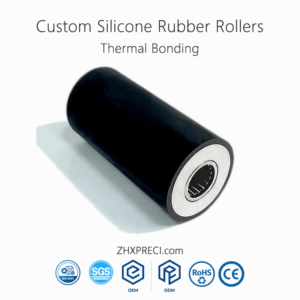
Black PU Rubber Coated Wheel Roller Industrial Grade for Automation Machinery Conveyor Transport and Factory Use
Read more -
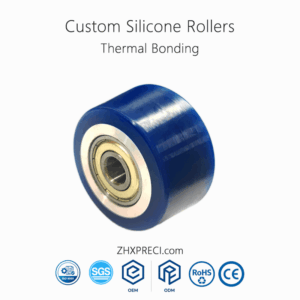
Blue Customized Silicone Rubber Coated Roller & High Quality Drive Guide Roller
Read more -
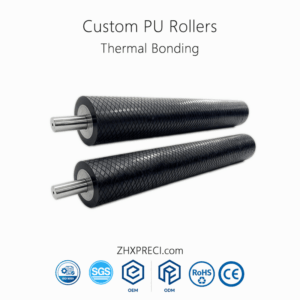
Custom Abrasion Resistant PU Rollers For Packaging Conveyors
Read more -
Custom Air Cooled Rubber Rollers with Internal Channels
Read more -
Custom Aluminum Core PU Rollers With Food Grade Compliance
Read more -
Custom Anti-Static PU Rollers For Explosive Dust Environments
Read more -
Custom Antistatic PU Rollers For Electronics Conveying
Read more -
Custom API Grade Rubber Rollers for Drill Pipe Wiper
Read more -
Custom ATEX Compliant PU Rollers For Mining Conveyor
Read more -
Custom ATEX Compliant Rubber Rollers for Grain Handling
Read more -
Custom ATEX Compliant Silicone Wheels Hazardous Area
Read more -
Custom Bracket Mount Silicone Wheels Easy Installation
Read more -
Custom Cantilever Mount Rubber Rollers for Narrow Spaces
Read more -
Custom Cast Iron Core PU Rollers With Keyway Mounting
Read more -
Custom CE Certified PU Rollers For Packaging Machinery
Read more -
Custom Chemical Resistant PU Rollers For Corrosive Environments
Read more
What Are Custom Nitrile Rubber Industrial Rubber Rollers?
Custom nitrile rubber industrial rubber rollers are precision-engineered cylindrical components designed for a wide range of material handling, processing, and conveyance applications across manufacturing and industrial sectors. These rollers are fabricated from nitrile butadiene rubber (NBR), a synthetic elastomer known for its outstanding resistance to petroleum-based oils, fuels, and greases, combined with excellent mechanical strength and abrasion resistance. The term "custom" indicates that each roller can be tailored in terms of dimensions, durometer (hardness), surface finish, core material, and specific compounding to meet the distinct operational demands of different machinery and production lines.
Industrial rubber rollers serve as critical functional elements in equipment such as printing presses, laminating machines, textile finishing lines, steel and metal processing mills, food processing conveyors, and packaging systems. The nitrile rubber compound offers a balanced profile of elasticity, load-bearing capacity, and resistance to environmental factors like ozone, weathering, and moderate heat, making it a preferred material for rollers that come into contact with hydrocarbons, solvents, and various chemical agents. Custom Nitrile Rubber Industrial Rubber Rollers from ZHXPRECI | China OEM/ODM Factory Manufacturer Supplier Custom Elastomer Wheels & Rollers are manufactured to precise specifications, ensuring compatibility with existing equipment and optimizing operational efficiency.
Key Material Properties of Nitrile Rubber for Roller Applications
Nitrile rubber (NBR) is a copolymer of butadiene and acrylonitrile, and its properties vary with the acrylonitrile content, which typically ranges from 18% to 50%. For industrial roller applications, medium to high acrylonitrile grades are commonly selected to achieve a favorable balance between oil resistance and low-temperature flexibility. The key material characteristics that influence roller design and performance include:
- Oil and Fuel Resistance: Nitrile rubber exhibits excellent resistance to mineral oils, hydraulic fluids, diesel fuel, and many organic solvents. This property is essential for rollers used in automotive assembly, metalworking, and chemical processing environments where contact with lubricants and coolants is frequent.
- Hardness Range (Durometer): NBR rollers can be formulated to achieve Shore A hardness values typically ranging from 40 to 95. Softer compounds (40–60 Shore A) are suited for applications requiring high friction, cushioning, and conformability, such as printing rollers. Harder compounds (80–95 Shore A) are used in high-load, high-wear applications like conveyor drive rollers and steel mill pinch rolls.
- Tensile Strength and Elongation: Industrial-grade NBR compounds generally offer tensile strengths between 10 and 25 MPa, with elongation at break ranging from 200% to 600%. These mechanical properties ensure that the rollers can withstand dynamic stresses, flexing, and repeated impact without premature failure.
- Abrasion Resistance: Nitrile rubber provides good resistance to abrasion and wear, which is critical for rollers that continuously contact moving webs, sheets, or products. The wear resistance can be further enhanced through specific compounding and the addition of reinforcing fillers such as carbon black or silica.
- Temperature Range: Standard nitrile rubber rollers are designed to operate continuously within a temperature range of approximately -30°C to +100°C. For intermittent exposure or specialized high-temperature applications, modified NBR formulations or alternative elastomers may be recommended.
These material properties are based on widely accepted industry data and should be verified against the specific operating conditions of each application. The selection of the appropriate nitrile rubber compound is a collaborative process between the equipment operator and the roller manufacturer, ensuring that the final product delivers reliable service in its intended environment.
Manufacturing Process for Custom Nitrile Rubber Rollers
The production of custom nitrile rubber industrial rollers involves a multi-stage process that integrates material science, precision machining, and quality control. Understanding this process assists procurement engineers and maintenance professionals in specifying rollers that meet their exact requirements.
Compounding and Mixing
The process begins with the formulation of the nitrile rubber compound. Raw NBR polymer is combined with curatives, accelerators, reinforcing fillers, plasticizers, antioxidants, and other additives in a banbury mixer or open mill. The specific recipe is designed to achieve the desired hardness, resilience, tensile strength, and resistance properties. For custom orders, the compound can be adjusted to accommodate unique environmental or mechanical demands.
Core Preparation
The roller core, typically made from steel, stainless steel, or aluminum, is machined to precise dimensions. The core must be concentric and balanced to prevent vibration during high-speed operation. The surface of the core is prepared by abrasive blasting and application of a bonding adhesive that ensures a permanent chemical bond between the rubber and the metal substrate.
Molding or Extrusion
The compounded nitrile rubber is then applied to the core using either compression molding, injection molding, or extrusion techniques. For large-diameter rollers, the rubber may be wrapped onto the core in sheet form and subsequently vulcanized. The choice of method depends on the roller size, geometry, and production volume.
Vulcanization (Curing)
Vulcanization is a critical step that cross-links the polymer chains, imparting the rubber with its final elastic and mechanical properties. The assembled roller is placed in a heated press or autoclave and subjected to controlled temperature and pressure for a specific duration. The curing cycle is optimized based on the compound formulation and roller thickness to achieve uniform cross-linking throughout the rubber layer.
Grinding and Finishing
After vulcanization, the roller is ground to its final diameter and surface finish using precision grinding equipment. The surface finish can range from rough (for traction applications) to mirror-smooth (for printing and coating processes). The roller is then inspected for dimensional accuracy, concentricity, and surface quality.
Quality Assurance
Each custom roller undergoes rigorous quality checks, including hardness testing, dimensional verification, dynamic balancing, and visual inspection. Non-destructive testing methods such as ultrasonic inspection may be employed to detect internal voids or bonding defects. The final product is documented with a certificate of conformance, providing traceability for the end user.
Custom Nitrile Rubber Industrial Rubber Rollers from ZHXPRECI | China OEM/ODM Factory Manufacturer Supplier Custom Elastomer Wheels & Rollers follow this established manufacturing protocol, with each stage subject to in-process controls to ensure consistency and reliability. The company's production facility is equipped with advanced machinery and experienced technicians capable of handling rollers from small diameters up to large industrial sizes.
How to Select the Right Custom Nitrile Rubber Roller for Your Application
Selecting an appropriate custom nitrile rubber roller requires careful consideration of several operational and design parameters. The following framework provides a systematic approach for engineers and procurement specialists.
Define Operating Conditions
- Temperature: Identify the ambient and operating temperature range. For high-temperature environments exceeding 100°C, alternative elastomers such as EPDM or silicone may be considered, though specialty NBR grades can sometimes be formulated for higher service temperatures.
- Chemical Exposure: List all chemicals, oils, solvents, and cleaning agents that the roller will contact. Nitrile rubber is generally compatible with petroleum-based fluids but may be attacked by strong acids, ketones, and chlorinated hydrocarbons.
- Load and Pressure: Calculate the maximum compressive load and nip pressure the roller will experience. This data influences the required durometer and wall thickness.
- Speed and Dynamic Forces: Determine the rotational speed and any dynamic imbalances that may occur. High-speed applications demand precise concentricity and dynamic balancing.
Specify Dimensional Requirements
- Outer Diameter (OD) and Inner Diameter (ID): Provide the finished roller diameter and the core shaft diameter. Tolerances should be communicated based on industry standards (e.g., ISO 2768 or specific customer requirements).
- Face Length: The usable length of the roller surface must be specified, along with any chamfers, grooves, or special profiles.
- Surface Finish: Define the required surface roughness (Ra value) or pattern. Common finishes include smooth ground, matt, textured, or grooved for enhanced grip.
Consider Mechanical and Application-Specific Factors
- Durometer (Hardness): Select the appropriate Shore A hardness based on the application. Softer rollers (50–65 A) are used for high-friction, conformable applications like feed rollers. Medium hardness (65–80 A) suits general conveyor and drive rollers. Harder rollers (80–95 A) are suitable for heavy-duty, high-wear applications.
- Bonding System: Ensure that the adhesive system used between the rubber and the core is compatible with the operating environment, especially in the presence of moisture or chemicals that could compromise the bond.
- Static Dissipation: For applications involving sensitive electronic components or explosive atmospheres, conductive or anti-static NBR compounds are available to prevent static charge accumulation.
It is advisable to consult with the roller manufacturer during the specification phase. Custom Nitrile Rubber Industrial Rubber Rollers from ZHXPRECI | China OEM/ODM Factory Manufacturer Supplier Custom Elastomer Wheels & Rollers offer design flexibility and technical support to assist in optimizing roller geometry and material selection for specific operational needs.
Common Industrial Applications for Nitrile Rubber Rollers
Nitrile rubber rollers are employed across a diverse range of industries due to their versatile performance characteristics. The following table summarizes typical applications and the corresponding roller requirements.
- Printing and Graphic Arts: Inking rollers, dampening rollers, and transfer rollers require smooth surface finishes, precise dimensional tolerance, and resistance to ink solvents. Medium-hardness NBR compounds are commonly used.
- Textile and Nonwovens: Rollers are used in calendering, dyeing, finishing, and lamination processes. They must withstand contact with dyes, finishing agents, and elevated temperatures. Nitrile rubber offers good resistance to many textile processing chemicals.
- Metal Processing: In steel and aluminum mills, rollers are subjected to high loads, elevated temperatures, and contact with rolling oils. Hard NBR compounds with enhanced wear resistance are specified for pinch rolls, bridle rolls, and tension leveller rolls.
- Paper and Converting: Rollers in paper manufacturing and converting equipment must operate reliably under continuous web tension and at high speeds. Nitrile rubber provides the necessary resilience and durability for press rolls and carrier rolls.
- Food Processing: For food-grade applications, NBR compounds can be formulated to meet FDA or EU food contact regulations. These rollers are used in conveyors, dough handling equipment, and packaging machinery.
- Automotive Manufacturing: Rollers are employed in paint lines, assembly conveyors, and test stands. They must resist automotive fluids, oils, and cleaning agents while maintaining consistent performance over extended production shifts.
- Mining and Aggregate: Heavy-duty rollers used in conveyor systems for bulk material handling require exceptional abrasion resistance and load capacity. NBR compounds with high filler loadings are often selected for these demanding environments.
Each application imposes unique demands on the roller's material properties, dimensional accuracy, and surface characteristics. Custom Nitrile Rubber Industrial Rubber Rollers from ZHXPRECI | China OEM/ODM Factory Manufacturer Supplier Custom Elastomer Wheels & Rollers are engineered to address these specific requirements, with the flexibility to adapt to both standard and specialized industrial processes.
How to Maintain and Extend the Service Life of Nitrile Rubber Rollers
Proper maintenance practices significantly influence the operational lifespan and performance consistency of nitrile rubber rollers. Implementing a systematic maintenance program reduces unplanned downtime, minimizes replacement costs, and ensures product quality.
Regular Inspection
- Visual Examination: Inspect rollers for surface cracks, blisters, cuts, or embedded foreign particles. Early detection of damage allows for repair or regrinding before the roller fails catastrophically.
- Hardness Checks: Periodically measure the Shore A hardness of the roller surface. A significant increase in hardness may indicate compound aging or over-curing, while a decrease may suggest plasticizer migration or chemical attack.
- Dimensional Verification: Check the roller diameter and runout to ensure that wear has not exceeded acceptable tolerances. Excessive wear can lead to product defects and machine vibration.
Cleaning and Surface Care
- Use Appropriate Cleaners: Clean rollers with mild detergents or rubber-specific cleaning agents that do not degrade the NBR compound. Avoid aggressive solvents such as ketones, esters, and chlorinated hydrocarbons, which can cause swelling or surface degradation.
- Remove Residual Materials: After each production run, remove any residual adhesives, coatings, or process materials that may have adhered to the roller surface. Accumulated residues can cause uneven pressure and surface defects.
- Lubrication of Bearings: Ensure that roller bearings are properly lubricated according to the manufacturer's recommendations. Bearing failure can lead to roller misalignment and premature wear of the rubber covering.
Storage and Handling
- Store in a Controlled Environment: When not in use, store rollers in a clean, dry area away from direct sunlight, ozone sources (electric motors, welding equipment), and extreme temperatures. Cover the rollers with protective sheeting to prevent dust accumulation and contamination.
- Avoid Contact with Ozone and Chemicals: Nitrile rubber can be degraded by ozone exposure. Keep rollers away from ozone-generating equipment and store them in ventilated areas.
- Proper Handling: Use appropriate lifting equipment and handling fixtures to prevent mechanical damage to the rubber surface. Do not drop or roll heavy rollers on hard floors.
Regrinding and Retreading
When a roller shows signs of surface wear or minor damage, regrinding may restore its original dimensions and surface finish. For more extensive wear or after multiple regrinds, retreading (applying a new rubber layer) may be a cost-effective alternative to purchasing a new roller. The feasibility of these repair options depends on the remaining core integrity and the specific application requirements.
Lead Time and Ordering Considerations
For custom nitrile rubber industrial rollers, the lead time is subject to order quantity, current production schedule, and final specification confirmation. The manufacturing process involves material compounding, core preparation, molding, vulcanization, grinding, and quality inspection, each of which contributes to the overall production timeline. Buyers are encouraged to plan their procurement schedules with flexibility, particularly for complex or large-volume orders. Early engagement with the manufacturer during the specification phase helps streamline the production process and reduces uncertainties. Custom Nitrile Rubber Industrial Rollers from ZHXPRECI are produced with careful attention to technical details, and the company's project management team coordinates closely with customers to align delivery schedules with operational needs.
Frequently Asked Questions (FAQ)
What is the typical hardness range for nitrile rubber rollers?
Nitrile rubber rollers are generally manufactured within a Shore A hardness range of 40 to 95. The selection of hardness depends on the specific application requirements, with softer compounds used for high-friction and conformable applications, and harder compounds employed for high-load, high-wear environments.
How does the acrylonitrile content affect roller performance?
The acrylonitrile (ACN) content in NBR influences oil resistance and low-temperature flexibility. Higher ACN content (40–50%) provides superior resistance to oils and fuels but reduces low-temperature flexibility. Medium ACN content (30–40%) offers a balanced performance for general industrial applications, while lower ACN grades (18–30%) are chosen for improved flexibility in cold environments.
Can nitrile rubber rollers be used in food processing applications?
Yes, nitrile rubber rollers can be manufactured with food-grade compounds that comply with FDA regulations (21 CFR 177.2600) or EU food contact standards. These compounds are formulated without hazardous substances and are suitable for incidental food contact in processing equipment.
How should I specify a custom roller for a printing press?
When specifying a roller for a printing press, provide the following details: required durometer, surface finish (Ra value), outer diameter and face length, core material, and any special surface patterns. Additionally, indicate the type of ink and cleaning solvents used, as this affects the NBR compound selection.
What is the maximum operating temperature for standard nitrile rubber rollers?
Standard nitrile rubber rollers are designed for continuous operation in the temperature range of -30°C to +100°C. For brief intermittent excursions, higher temperatures may be tolerated, but sustained operation above 100°C can accelerate aging and reduce service life. For elevated temperature applications, specialty NBR compounds or alternative elastomers should be evaluated.
How do I determine when a roller needs regrinding or replacement?
Indicators that a roller requires service include visible surface damage (cracks, blisters, uneven wear), dimensional changes that affect product quality, and increased vibration or noise during operation. Regular dimensional monitoring and visual inspections help establish a maintenance schedule. When regrinding is no longer feasible due to the remaining rubber thickness, replacement or retreading is recommended.
Are anti-static or conductive nitrile rubber rollers available?
Yes, nitrile rubber compounds can be modified with conductive fillers such as carbon black to impart anti-static or conductive properties. These rollers are used in environments where static discharge could damage electronic components or pose a safety risk in explosive atmospheres.
What bonding systems are used for attaching nitrile rubber to metal cores?
Industrial adhesive systems based on modified resins and elastomers are used to bond nitrile rubber to steel, stainless steel, or aluminum cores. The surface of the core is prepared by abrasive blasting or chemical etching, followed by application of a primer and an adhesive layer. The bonding strength is verified during quality control testing.
Can you provide samples or prototypes before full production?
Most custom roller manufacturers offer prototype or sample production to validate the design and compound selection. This approach allows the customer to test the roller under actual operating conditions before committing to a full production order. The terms for sample production are subject to order quantity, current production schedule, and final specification confirmation.
What documentation is provided with custom rollers?
Each custom roller shipment typically includes a certificate of conformance, dimensional inspection reports, hardness test results, and, where applicable, material safety data sheets (MSDS) and food-contact compliance certificates. Additional testing documentation can be requested at the time of order.
Custom Nitrile Rubber Industrial Rubber Rollers from ZHXPRECI | China OEM/ODM Factory Manufacturer Supplier Custom Elastomer Wheels & Rollers are designed to meet the technical and operational demands of modern industrial applications. The company's engineering team provides comprehensive support, from material selection and design optimization to after-sales service, ensuring that each roller delivers consistent performance in its intended use.