
Custom Anti-Static Industrial Rubber Wheels
Custom Anti-Static Wheels
ESD-safe wheels for cleanrooms & electronics.
- 30‑500kg load
- 60‑95A Shore
- 50‑300mm dia
- -20‑+80°C temp
- ISO/REACH cert
Showing 1–16 of 227 results
-
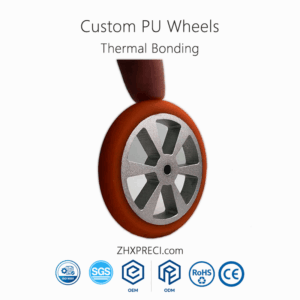
Custom Abrasion Proof PU Wheels For Sand Blasting Areas
Read more -
Custom Abrasion Resistant Polyurethane Wheels For Mining Carts
Read more -
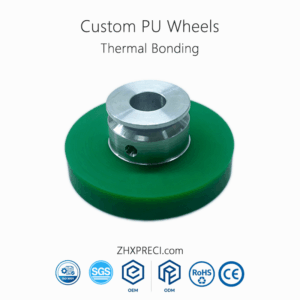
Custom Abrasion Resistant Rubber Wheels with Coating for Mining Equipment
Read more -
Custom Abrasion Resistant Silicone Coated Wheels Heavy Duty Caster
Read more -
Custom Alkali Proof Rubber Wheels with Coating for Industrial Washers
Read more -
Custom Anti Static Silicone Coated Wheels
Read more -
Custom Anti Vibration Rubber Wheels with Coating for Precision Instruments
Read more -
Custom Anti-Slip Rubber Wheels with Rubber Coating for Wet Floor Surfaces
Read more -
Custom Anti-Static PU Wheels For Electronics Assembly
Read more -
Custom Anti-Static Rubber Rollers for Electronics Assembly
Read more -
Custom Anti-Static Rubber Wheels with Rubber Coating for Cleanroom Use
Read more -
Custom Antistatic Rubber Wheels with Coating for Cleanroom Carts
Read more -
Custom ATEX Compliant Polyurethane Wheels For Hazardous Areas
Read more -
Custom ATEX Compliant PU Wheels For Hazardous Areas
Read more -
Custom Bolt On Polyurethane Wheels For Utility Trailers
Read more -
Custom Bolt On Rubber Wheels with Rubber Coating for Equipment Mounting
Read more
Understanding Custom Anti-Static Industrial Rubber Wheels
Custom anti-static industrial rubber wheels are engineered mobility components designed to dissipate electrostatic charges in manufacturing, logistics, and cleanroom environments. Unlike standard rubber casters, these wheels incorporate conductive or static-dissipative compounds that safely channel electrical discharge to the ground, preventing spark hazards and protecting sensitive electronic equipment. For B2B buyers, engineers, and procurement specialists, selecting the right anti-static rubber wheel involves evaluating material composition, load capacity, hardness, temperature resistance, and dimensional compatibility with existing equipment.
Custom Anti-Static Industrial Rubber Wheels from ZHXPRECI | China OEM/ODM Factory Manufacturer Supplier Custom Elastomer Wheels & Rollers are manufactured to meet diverse operational demands, offering tailored solutions that balance static control with durability and rolling efficiency. This description provides a comprehensive technical overview, addressing common engineering questions and selection criteria to support informed purchasing decisions.
Key Features of Anti-Static Rubber Wheels
Electrostatic Discharge (ESD) Performance
The defining characteristic of anti-static industrial rubber wheels is their ability to control electrostatic discharge. Electrical resistance is typically measured in ohms, with anti-static wheels generally falling within the range of 10⁵ to 10⁹ ohms, depending on the specific compound formulation. This resistance level ensures that static charges are dissipated at a controlled rate — fast enough to prevent accumulation, yet slow enough to avoid sudden sparks that could ignite volatile substances or damage microelectronic components. The antistatic effect is achieved through the incorporation of conductive carbon black or specialized ionic additives into the rubber matrix, creating a continuous conductive pathway from the wheel tread through the bearing and into the axle.
Material Composition and Durometer
Industrial rubber wheels are manufactured from various elastomer compounds, each offering distinct performance characteristics. Natural rubber provides excellent resilience and abrasion resistance, while synthetic rubbers such as SBR, neoprene, and nitrile offer enhanced resistance to oils, solvents, and temperature extremes. For anti-static applications, the base polymer is compounded with conductive fillers and vulcanizing agents. Durometer, measured on the Shore A scale, typically ranges from 65 to 95 for industrial casters. Softer compounds (65-75 Shore A) provide better floor protection and shock absorption, while harder compounds (85-95 Shore A) offer higher load capacity and reduced rolling resistance. The choice of durometer directly impacts the wheel's ability to absorb impacts, its noise level during operation, and its longevity under specific load conditions.
Load Capacity and Dimensional Specifications
Load capacity is a critical parameter determined by wheel diameter, tread width, bearing type, and material hardness. Industrial anti-static rubber wheels are available in diameters from 50 mm to 300 mm or larger, with tread widths ranging from 25 mm to 100 mm. A typical 100 mm diameter wheel with a 32 mm tread width may support loads between 150 and 400 kg per wheel, depending on the material grade and bearing configuration. Dynamic load ratings, which account for rolling conditions and floor irregularities, are generally lower than static load ratings. Engineers must consider both static and dynamic loads when specifying wheels for automated guided vehicles (AGVs), platform trucks, or towline systems. Bearing types — including precision ball bearings, tapered roller bearings, or plain bore configurations — influence both load capacity and rolling efficiency.
Temperature and Environmental Resistance
Operating temperature range is a key consideration for industrial environments. Standard anti-static rubber compounds typically perform effectively between -20°C and +80°C, with specialized formulations extending this range to -40°C or +120°C for extreme conditions. Resistance to ozone, UV radiation, moisture, and chemical exposure varies significantly by compound type. Nitrile-based anti-static wheels, for instance, exhibit good resistance to petroleum-based oils and greases, while neoprene compounds offer balanced resistance to both oils and weathering. For applications involving aggressive solvents or acids, customers may request custom compounding to achieve the required chemical compatibility while maintaining anti-static properties.
Common Applications and Industry Use Cases
Anti-static industrial rubber wheels find widespread use across multiple sectors where static control is paramount. In electronics manufacturing, these wheels are essential for carts, racking systems, and assembly line carriers that transport sensitive components such as PCBs, semiconductors, and hard disk drives. The automotive industry utilizes anti-static casters on paint shop conveyors and parts handling equipment to prevent static-induced paint defects and ensure worker safety. Pharmaceutical and medical device cleanrooms require anti-static mobility solutions to protect sterile environments and sensitive analytical instruments. Logistics and warehousing operations handling flammable materials or operating in explosive atmospheres benefit from the spark-free performance of anti-static rubber wheels. Additionally, printing, textile, and paper industries employ these wheels to avoid static cling and discharge-related product quality issues.
Customization Options for Industrial Applications
Customization is often necessary to match specific operational requirements. Custom Anti-Static Industrial Rubber Wheels from ZHXPRECI | China OEM/ODM Factory Manufacturer Supplier Custom Elastomer Wheels & Rollers offer a wide range of design parameters that can be adapted to meet unique specifications. Diameter, tread width, hub material (including steel, cast iron, aluminum, or engineering plastics), bearing type, and mounting configurations can all be tailored. For heavy-duty applications, reinforced hubs and dual-ball bearing arrangements may be specified. For cleanroom environments, low-particle-generation compounds and sealed bearings are available. Color matching, marking, and custom engraving can also be incorporated for branding or traceability purposes. The ability to adjust the electrical resistance precisely — from dissipative to conductive ranges — allows engineers to fine-tune static control performance for their specific ESD protocols.
Selection Criteria for Engineering Buyers
Selecting the appropriate anti-static rubber wheel requires a systematic evaluation of operational parameters. The first step is to determine the total load per wheel by dividing the maximum cart or equipment weight by the number of wheels, then adding a safety factor of 1.5 to 2.0 to accommodate uneven loading and dynamic forces. Floor conditions — whether smooth concrete, rough asphalt, or epoxy-coated surfaces — influence tread material selection, with softer compounds recommended for uneven floors to improve traction and reduce vibration. Operating speed affects bearing choice, with higher speeds requiring precision bearings and dynamic balancing. Environmental factors such as temperature extremes, chemical exposure, and wash-down requirements dictate compound selection and protective treatments. Finally, the required electrical resistance range must be confirmed with the facility's ESD program manager to ensure compliance with applicable standards such as ANSI/ESD S20.20 or IEC 61340.
Frequently Asked Questions (FAQ)
What is an anti-static industrial rubber wheel?
An anti-static industrial rubber wheel is a caster or roller component manufactured from conductive or static-dissipative rubber compounds that prevent electrostatic charge buildup during material handling operations. These wheels are designed to safely channel static electricity from the equipment to the floor, reducing the risk of electrostatic discharge that could damage sensitive electronics, ignite flammable materials, or cause operational disruptions. They are commonly used in electronics assembly, cleanrooms, automotive paint shops, pharmaceutical manufacturing, and other environments where static control is critical.
How do anti-static rubber wheels differ from standard rubber wheels?
Standard rubber wheels do not contain conductive additives and therefore do not provide a path for static discharge. They can allow electrostatic charges to accumulate on carts, racks, and equipment, creating potential spark hazards. Anti-static rubber wheels incorporate carbon black, metallic particles, or other conductive agents that lower electrical resistance to a controlled level, enabling static dissipation. This fundamental difference in material composition affects performance in ESD-sensitive environments and is typically verified through electrical resistance testing per industry standards.
What is the typical electrical resistance of an anti-static rubber wheel?
Anti-static rubber wheels generally exhibit electrical resistance in the range of 10⁵ to 10⁹ ohms, measured according to test methods such as ANSI/ESD STM7.1 or DIN EN 61340. Within this range, dissipative wheels (10⁶ to 10⁹ ohms) are common for most applications, while conductive wheels (10⁴ to 10⁶ ohms) may be specified for environments requiring faster discharge rates. The actual resistance depends on the compound formulation, humidity, and contact conditions. Engineers should specify the required resistance range based on their facility's ESD control plan and consult with the manufacturer to verify achievable values for their specific compound and design.
How to choose the correct durometer for an anti-static wheel?
Choosing the correct durometer involves balancing load capacity, floor protection, rolling resistance, and shock absorption. Softer wheels (65-75 Shore A) are generally preferred for applications involving delicate floors, high-impact loads, or uneven surfaces, as they offer better cushioning and lower noise. Harder wheels (85-95 Shore A) are suitable for heavier loads, higher speeds, and smoother floors, providing lower rolling resistance and longer wear life. For most industrial applications, a medium-hardness compound in the 80-85 Shore A range offers a practical balance. Testing different hardness levels under actual operating conditions is recommended to confirm optimal performance.
What are the standard mounting options for industrial rubber wheels?
Industrial rubber wheels are available with a variety of mounting configurations, including plate casters (with top plates for bolting to equipment), stem casters (with threaded or round stems for insertion into sockets), and bolt-hole or expansion-insert designs. Wheel hubs can be fitted with precision ball bearings, plain bearings, or roller bearings, depending on load and speed requirements. The mounting type must be matched to the equipment design, with considerations for swivel vs. rigid configurations and brake or lock mechanisms where required. Custom mounting solutions can be engineered for non-standard applications.
How to maintain anti-static properties over time?
Maintaining the anti-static performance of rubber wheels requires regular inspection and cleaning. Accumulated dirt, oils, or floor coatings can insulate the wheel's contact surface, increasing electrical resistance and reducing static dissipation effectiveness. Periodically cleaning wheels with mild detergent and water (or appropriate solvents as recommended by the manufacturer) helps maintain conductive pathways. Regular resistance testing using a megohmmeter or specialized ESD tester can verify that the wheels continue to meet specified resistance ranges. Worn treads may lose conductivity as the conductive surface layer is abraded; replacing wheels when tread depth is significantly reduced is recommended to ensure continued ESD performance.
What is the typical lead time for custom anti-static rubber wheels?
Lead time for custom anti-static rubber wheels is subject to order quantity, current production schedule, and final specification confirmation. Custom orders generally involve tooling, material compounding, molding or machining, and quality inspection processes. For standard sizes and compounds, production timelines tend to be shorter, while specialized formulations, unusual dimensions, or complex hub configurations may require additional development time. Customers are encouraged to discuss their specific requirements with the manufacturer to obtain a realistic schedule based on current capacity and material availability.
Can anti-static wheels be used outdoors?
Anti-static rubber wheels can be used outdoors, provided the material formulation includes UV stabilizers and ozone-resistant additives. Standard indoor compounds may degrade when exposed to sunlight, rain, or temperature fluctuations. For outdoor applications, neoprene or EPDM-based anti-static compounds with enhanced weather resistance are recommended. The operating temperature range, load capacity, and floor surface conditions should also be evaluated to ensure outdoor suitability. Consulting with the manufacturer regarding environmental exposure is advisable to select the appropriate compound for the intended application.
What standards apply to anti-static industrial wheels?
Several international standards govern the testing and performance of anti-static wheels. ANSI/ESD S20.20 provides a comprehensive ESD control program framework, while ANSI/ESD STM7.1 specifies test methods for measuring electrical resistance of floor materials and footwear — principles that are often applied to wheel and caster testing. IEC 61340 series covers electrostatic phenomena in industrial environments. The ISO 9001 quality management standard is commonly referenced for manufacturing processes. Customers should specify which standards apply to their industry and request relevant test documentation to ensure compliance with regulatory and customer requirements.
How to calculate the load capacity required for a mobile equipment application?
To calculate load capacity, first determine the total weight of the equipment plus the maximum payload. Divide this total weight by the number of wheels, then multiply by a safety factor of 1.5 to 2.0 to account for dynamic forces, uneven loading, and floor irregularities. For example, a 600 kg cart with four wheels would require each wheel to support at least 150 kg under static conditions; applying a 1.5 safety factor brings the minimum required load capacity to 225 kg per wheel. Engineers should also consider whether the wheels will be used on ramps, where dynamic loading increases, or in towing applications, where side loads and shock forces are present. Consulting the manufacturer's load rating tables for specific wheel models is recommended to confirm capacity under actual operating conditions.
What are the most common failure modes for anti-static rubber wheels?
Common failure modes include tread wear and abrasion, which reduce static dissipative effectiveness; flat-spotting from prolonged parking under heavy loads; bearing failure from contamination or overload; and compound degradation due to chemical exposure, UV radiation, or excessive heat. Tread separation from the hub, though less common, can occur in poorly bonded assemblies. Regular inspections for visible cracks, uneven wear patterns, and reduced rolling smoothness can help identify early signs of failure. Implementing a preventive maintenance program that includes cleaning, resistance testing, and bearing lubrication (where applicable) can extend service life and maintain reliable ESD performance.
Manufacturing Quality and Quality Assurance
Quality assurance for anti-static industrial rubber wheels involves multiple control points throughout the production process. Incoming raw material testing verifies the conductivity and physical properties of rubber compounds. During molding or extrusion, process parameters such as temperature, pressure, and curing time are monitored to ensure consistency. Finished wheels undergo dimensional inspection, hardness testing, and electrical resistance measurement per recognized standards. Load testing may be performed on a sample basis to verify capacity ratings. Manufacturers with ISO 9001 certification typically maintain documented quality procedures and traceability systems. Custom Anti-Static Industrial Rubber Wheels from ZHXPRECI | China OEM/ODM Factory Manufacturer Supplier Custom Elastomer Wheels & Rollers are produced under such quality management frameworks, with testing protocols adaptable to customer-specific requirements.
Conclusion
Selecting the right anti-static industrial rubber wheel involves careful consideration of electrical performance, load capacity, environmental resistance, and dimensional compatibility. By understanding the technical properties of different elastomer compounds, durometer levels, and bearing configurations, engineers and procurement professionals can specify wheels that deliver reliable static control and durable service in their particular operating conditions. Customization options allow for fine-tuning of resistance values, size parameters, and mounting arrangements to meet unique application needs. Engaging with an experienced manufacturer early in the design process — one that offers both standard and custom solutions — can help streamline selection and ensure that the final product meets performance expectations. Custom Anti-Static Industrial Rubber Wheels from ZHXPRECI | China OEM/ODM Factory Manufacturer Supplier Custom Elastomer Wheels & Rollers represent a comprehensive solution for industrial mobility requirements, combining material expertise with flexible manufacturing capabilities to serve diverse industry sectors.