
Custom Non-Marking Industrial Rubber Wheels
Custom Non-Marking Industrial Rubber Wheels
Custom non-marking rubber wheels for AGV & industry. Load & traction.
- 300-500kg load
- 55-95A Shore
- 75-500mm dia
- -20-+80°C temp
- ISO/REACH/RoHS cert
Showing 1–16 of 225 results
-
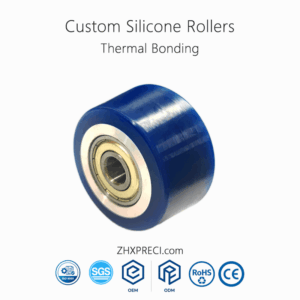
Blue Customized Silicone Rubber Coated Roller & High Quality Drive Guide Roller
Read more -
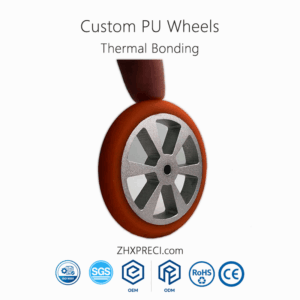
Custom Abrasion Proof PU Wheels For Sand Blasting Areas
Read more -
Custom Abrasion Resistant Polyurethane Wheels For Mining Carts
Read more -
Custom Abrasion Resistant Silicone Coated Wheels Heavy Duty Caster
Read more -
Custom Anti Static Silicone Coated Wheels
Read more -
Custom Anti-Slip Rubber Wheels with Rubber Coating for Wet Floor Surfaces
Read more -
Custom Anti-Static PU Wheels For Electronics Assembly
Read more -
Custom Anti-Static Rubber Rollers for Electronics Assembly
Read more -
Custom Anti-Static Rubber Wheels with Rubber Coating for Cleanroom Use
Read more -
Custom ATEX Compliant Polyurethane Wheels For Hazardous Areas
Read more -
Custom ATEX Compliant PU Wheels For Hazardous Areas
Read more -
Custom ATEX Compliant Silicone Wheels Hazardous Area
Read more -
Custom Bolt On Polyurethane Wheels For Utility Trailers
Read more -
Custom Bolt On Rubber Wheels with Rubber Coating for Equipment Mounting
Read more -
Custom Bolt-On PU Wheels For Easy Maintenance
Read more -
Custom Bracket Mount Silicone Wheels Easy Installation
Read more
Overview of Custom Non-Marking Industrial Rubber Wheels
In material handling, automated guided vehicles, and precision industrial equipment, the contact interface between the wheel and the floor surface plays a critical role in operational efficiency, safety, and maintenance costs. Custom non-marking industrial rubber wheels are engineered to address these demands by delivering controlled floor interaction without leaving residue or discolouration. As a product category, these wheels are not a single specification item; they represent a family of solutions where the elastomer compound, hardness, tread profile, and hub configuration are adjusted to match the load, speed, and environmental conditions of a specific application. This page provides a structured technical reference for procurement specialists, design engineers, and maintenance managers who are evaluating non-marking rubber wheel options for new projects or retrofitting existing equipment.
What Defines a Non-Marking Industrial Rubber Wheel?
A non-marking industrial rubber wheel is distinguished by its ability to operate on finished floors—such as epoxy-coated concrete, sealed wood, tiles, or polished surfaces—without leaving black streaks or coloured scuffs. This characteristic is achieved by carefully selecting the polymer system and filler package. Traditional rubber compounds often contain carbon black as a reinforcing filler, which, while providing excellent tear strength and abrasion resistance, is responsible for the dark marks on floors. Non-marking compounds replace carbon black with light-coloured reinforcing agents like silica or precipitated calcium carbonate. The base polymer can be natural rubber, styrene-butadiene rubber, nitrile butadiene rubber, or a blend, depending on the required resistance to oils, greases, and temperature extremes.
Key Technical Parameters and Material Characteristics
When assessing custom non-marking industrial rubber wheels, several measurable properties provide a factual basis for comparison. Hardness, expressed in Shore A durometer, typically falls between 55 and 95 Shore A for industrial wheels. A lower hardness (55–70 Shore A) offers higher shock absorption and quieter rolling, while a higher hardness (80–95 Shore A) reduces rolling resistance and improves load-bearing capacity, albeit with reduced damping. The tensile strength of the compound generally ranges from 10 to 20 MPa, while elongation at break is often between 250% and 550%, depending on the vulcanisation system. Operating temperature windows are compound-specific; general-purpose compounds are functional from -20°C to +80°C, while specialty formulations can tolerate intermittent exposure up to +120°C or brief excursions to +150°C. Abrasion loss, measured using the DIN abrasion test, is typically in the range of 80 to 150 mm³, offering a balance between wear life and floor protection.
Product Features and Structural Design Variations
Custom non-marking industrial rubber wheels are available in multiple construction formats to suit different mounting and performance requirements. The most common designs include:
- Solid rubber wheels: These consist of a homogeneous rubber section, often bonded to a metal or thermoplastic core. They are suitable for moderate loads and provide excellent impact resistance.
- Moulded-on rubber wheels: The rubber is moulded directly onto a steel or aluminium hub, ensuring a permanent bond that eliminates separation under high torque or side-load conditions.
- Pressed-on rubber wheels: A rubber tread is compression-moulded and then press-fitted onto a metal centre. This design simplifies replacement of the worn tread while retaining the hub, reducing long-term maintenance costs.
- Polyurethane hybrid wheels: For applications requiring higher load capacity and lower rolling resistance than pure rubber, a polyurethane outer layer can be applied over a rubber core, combining the non-marking properties with enhanced durability.
Wheel diameters range from 75 mm to 500 mm, with tread widths from 25 mm to 150 mm. The selection of diameter and width directly influences the load capacity, with larger diameters providing lower rolling resistance and better obstacle crossing, while wider treads distribute the load more effectively on soft floors.
What Are the Common Applications for Non-Marking Rubber Wheels?
Non-marking rubber wheels are found across a broad spectrum of industries where floor appearance and safety are paramount. In the automotive manufacturing sector, they are used on assembly line carts and automated transport systems to prevent scuffing of painted surfaces. In food processing and pharmaceutical facilities, where hygiene and floor cleanliness are critical, these wheels facilitate movement of stainless steel trolleys and sterilisation equipment. Material handling equipment—such as pallet jacks, scissor lifts, and mobile workstations—also benefits from non-marking casters, especially in cleanrooms and hospital environments. Additionally, airport baggage handling systems, warehouse order-picking robots, and retail display units rely on non-marking wheels to maintain aesthetic standards while ensuring quiet, smooth operation.
How to Select the Appropriate Compound for Your Environment
Selecting the correct non-marking rubber compound involves evaluating the specific operating environment. Consider the following factors:
- Floor type: Smooth, sealed concrete requires a different tread pattern and hardness than rough, unsealed surfaces. For polished floors, a softer compound with a smooth tread reduces the risk of micro-scratches.
- Temperature exposure: If the equipment operates near ovens, autoclaves, or in cold storage areas, the compound's glass transition temperature and heat ageing characteristics become primary selection criteria.
- Chemical exposure: Contact with hydraulic fluids, solvents, or cleaning agents can degrade standard rubber compounds. Nitrile or neoprene-based formulations offer improved resistance to petroleum-based substances.
- Load and speed: Higher loads and continuous high-speed operation generate heat within the tyre structure. The compound must exhibit low hysteresis to minimise heat build-up, which can otherwise lead to premature failure.
Load Capacity, Speed Ratings, and Thermal Behaviour
The load capacity of a non-marking industrial rubber wheel depends on the compound hardness, wheel diameter, tread width, and bearing type. As a general reference, a 150 mm diameter wheel with a 50 mm tread width and 80 Shore A hardness can typically support a static load of 300–500 kg per wheel, with a recommended dynamic load of 60–70% of the static rating to allow for a safety margin. Speed ratings are usually specified for continuous operation, with standard compounds suitable for surface speeds up to 4 m/s. Higher speeds may generate elevated internal temperatures, reducing the wheel's service life unless a specifically formulated low-heat-generation compound is used. Always refer to the manufacturer's load-speed charts for specific configurations. Thermal conductivity of the rubber compound also affects heat dissipation; compounds with higher thermal diffusivity are preferable for high-speed or heavy-duty cycles to avoid internal degradation.
Wheel Tread Profiles and Their Influence on Performance
Tread design is not merely aesthetic; it directly affects traction, noise, and floor wear. Common profiles include:
- Smooth tread: Ideal for clean, dry indoor floors, providing low rolling resistance and silent operation.
- Grooved or ribbed tread: Offers improved water or oil channeling, reducing hydroplaning risks on wet floors.
- Knurled or chevron tread: Enhances grip on inclined or slightly slippery surfaces, though it may increase rolling resistance.
- Perforated or cellular tread: Used in cushion wheels to absorb shocks and reduce floor impact, often in airport baggage trolleys.
The selection of tread profile should be based on the typical floor condition and the required coefficient of friction. A smooth tread on a dry, level floor yields the highest efficiency, while a grooved design is advisable when occasional moisture or coolant spillage is expected.
Material Science: Compounding for Non-Marking Performance
The non-marking property is achieved through a careful balance of fillers, plasticisers, and curing systems. Silica, as a white reinforcing filler, not only eliminates discolouration but also enhances wet grip and reduces rolling resistance when compared to carbon black-filled compounds. However, silica mixing requires longer processing times and specific coupling agents to achieve adequate dispersion. The choice of elastomer backbone also influences non-marking characteristics: natural rubber offers excellent dynamic properties, but its unsaturation makes it prone to ozone attack; EPDM provides superior weathering resistance but lower tensile strength. For oil-resistant applications, NBR or HNBR are often selected, with appropriate plasticisers to maintain flexibility at low temperatures. Each compound recipe is validated through a series of physical tests—including rebound resilience, compression set, and dynamic mechanical analysis—to ensure it meets the intended service conditions.
Bearing and Hub Integration Options
The hub and bearing system is integral to the wheel's overall performance. Hubs are typically manufactured from pressed steel, cast iron, or aluminium, with bore sizes ranging from 12 mm to 50 mm. Bearing types include plain bore (for low-speed, low-cost applications), ball bearings (for moderate speeds and loads), and tapered roller bearings (for heavy loads and shock loads). For cleanroom or food-grade environments, sealed bearings with food-grade grease are available. The hub design must also accommodate the mounting method—whether through-bolt, caster kingpin, or axle shaft—and must be compatible with the wheel's overall width to ensure proper alignment and load distribution.
How to Perform a Technical Assessment for Custom Wheels
When planning to replace or custom-order non-marking wheels, a step-by-step technical assessment is recommended:
- Define the operating load: Measure the maximum static and dynamic load per wheel, including any impact factors from acceleration or uneven floors.
- Specify the floor conditions: Document the floor material, roughness, cleanliness, and any chemical spillage risks.
- Determine the ambient temperature range: Record minimum and maximum temperatures during operation and storage.
- Estimate the expected travel distance or operating hours per day: This helps in selecting the appropriate abrasion resistance and fatigue life.
- Choose the wheel diameter and width: Use the load capacity charts to select a size that provides at least 20% safety margin over the calculated maximum load.
- Select the bearing type and hub finish: Consider corrosion resistance if the environment is humid or washdown is frequent.
This systematic approach minimizes the risk of under-specification and ensures that the final product aligns with the actual usage profile.
Maintenance and Inspection Protocols
Routine maintenance extends the service life of non-marking wheels and reduces unexpected downtime. A recommended schedule includes:
- Weekly visual inspection: Check for cuts, embedded debris, or flat spots on the tread. Remove any foreign objects with a blunt tool.
- Monthly cleaning: Use a mild detergent and a soft brush to remove dust, oil, and chemical residues that may harden or become abrasive.
- Quarterly bearing lubrication: Apply the specified grease type (e.g., lithium-based or synthetic) in accordance with the bearing manufacturer's recommendations.
- Annual dimensional check: Measure tread thickness and diameter to assess wear progression. A reduction of more than 10% in tread thickness indicates the need for replacement or re-treading.
In addition, record keeping of maintenance activities allows for trend analysis and predictive replacement, avoiding emergency orders that may disrupt production.
Environmental and Regulatory Considerations
Many industries require compliance with environmental and safety regulations. Non-marking rubber wheels can be formulated to meet REACH, RoHS, and California Proposition 65 requirements. For food-processing applications, the compound should comply with FDA 21 CFR for indirect food contact. It is advisable to request a declaration of conformity from the supplier, along with test reports for restricted substances. Furthermore, the manufacturing process should adhere to ISO 14001 environmental management standards, ensuring that waste rubber and processing aids are handled responsibly.
Lead Time and Customisation Workflow
For custom non-marking industrial rubber wheels, the production timeline and engineering feasibility are subject to order quantity, current production schedule, and final specification confirmation. This ensures that each batch is tailored to the precise dimensional, hardness, and colour requirements, while avoiding unrealistic commitments. The typical customisation process begins with a detailed technical review, followed by compound selection, tooling design (if required), and sample testing. Once the prototype is approved, production proceeds in accordance with the mutually agreed schedule. This flexible, collaborative approach allows for adjustments in real time, accommodating engineering changes or updated operational priorities.
Frequently Asked Questions (FAQ)
What is the difference between non-marking and standard rubber wheels?
Standard rubber wheels use carbon black reinforcement, which leaves dark traces on floors. Non-marking wheels use silica-based fillers, eliminating the discolouration while maintaining comparable mechanical strength and wear resistance. The trade-off is often a slight reduction in ultimate tensile strength, but modern compounding techniques have narrowed this gap significantly.
Can non-marking rubber wheels be used outdoors?
Yes, provided the compound is formulated with UV stabilisers and ozone-resistant components. Outdoor use also requires consideration of temperature fluctuations and moisture absorption, which may affect dimensional stability. For outdoor applications, recommend a compound with a higher cross-link density to minimise water ingress and swelling.
How do I determine the correct hardness for my application?
Hardness selection is a function of load, floor condition, and desired rolling resistance. For light loads and soft floors, a 55–70 Shore A wheel offers a cushioned ride and quiet operation. For heavy loads and smooth, hard floors, a 85–95 Shore A wheel reduces rolling effort and extends tread life. It is often beneficial to test two or three hardness grades in the actual operating environment before finalising the specification.
Are these wheels suitable for high-temperature environments?
Special high-temperature non-marking compounds are available. These are formulated with heat-resistant polymers and enhanced antioxidant systems to withstand continuous exposure up to 120°C. For intermittent exposure, such as frequent passes near hot equipment, temperatures up to 150°C can be accommodated with specific compound modifications. It is essential to discuss the thermal profile with the supplier to ensure the compound's thermal history does not exceed its vulcanisation threshold.
What is the typical wear life of a non-marking rubber wheel?
Wear life is inherently variable and depends on load, speed, floor roughness, and environmental factors. Under typical indoor industrial conditions with moderate loads and smooth floors, a well-designed non-marking wheel may provide 2,000 to 5,000 operating hours before the tread requires replacement. For more demanding applications, such as high-speed automated shuttles, the lifespan may be shorter. Regular monitoring of tread thickness allows for predictive replacement, avoiding unexpected downtime.
Do you offer custom colours for non-marking wheels?
Yes, colour customisation is available within the constraints of the chosen elastomer system. Light-coloured non-marking compounds can be pigmented to match equipment branding or to facilitate colour-coded logistics. However, it should be noted that adding pigments may slightly modify the mechanical properties, so a trade-off assessment is recommended during the design phase.
How does the wheel design affect rolling resistance?
Rolling resistance is influenced by the wheel diameter, compound hysteresis, and tread thickness. Larger diameters reduce the deformation angle, lowering energy loss. Low-hysteresis compounds, such as those based on synthetic polyisoprene, dissipate less energy during compression and recovery, resulting in lower rolling resistance. Thinner treads also reduce internal friction, but at the expense of shock absorption.
Can I retrofit existing equipment with non-marking wheels?
Retrofitting is a common practice, provided the load capacity and mounting dimensions are compatible. The primary considerations include hub bore diameter, wheel width, and overall diameter to ensure proper clearance. In many cases, non-marking wheels can be supplied with the same bearing and axle specifications as the original equipment, simplifying the conversion process.
What are the safety considerations when using non-marking wheels?
Safety considerations include ensuring that the wheel's load rating exceeds the maximum anticipated load, including dynamic forces during acceleration and braking. On inclined surfaces, the wheel's traction must be adequate to prevent sliding. Additionally, the wheel should be securely fastened to the caster or axle to avoid detachment during operation. Regular inspections of the hub and bearing integrity are also essential to prevent catastrophic failure.
Are there non-marking wheels suitable for cleanroom environments?
Yes, specialised non-marking wheels are available with low-particulate compounds and sealed bearings to minimise particle generation. These wheels are often used in semiconductor manufacturing, pharmaceutical filling lines, and medical device assembly areas. The compounds are formulated to comply with cleanroom standards regarding outgassing and electrostatic discharge (ESD), depending on the specific requirements.
What documentation is provided with custom wheel orders?
Each shipment of custom non-marking industrial rubber wheels includes a certificate of conformance, detailing the compound batch, hardness test results, dimensional inspection report, and relevant material safety data sheets (MSDS). For international orders, customs documentation and packing lists are also supplied. Additional testing, such as dynamic load endurance reports or abrasion test certificates, can be provided upon request.
How do I request a sample or a custom quotation?
To initiate a custom wheel development, it is advisable to prepare a detailed specification sheet that includes the required dimensions, load conditions, operating environment, and any special chemical resistance or temperature requirements. This information enables the engineering team to propose the most suitable compound and construction method. For specific inquiries, technical drawings and application descriptions are greatly appreciated, as they facilitate a more precise compound optimisation.
What is the significance of the rebound resilience value?
Rebound resilience is a measure of the elastic recovery of the rubber after deformation. A higher rebound value indicates lower internal friction, which translates to lower rolling resistance and reduced heat generation. For high-speed applications, a rebound resilience above 60% is often desirable. However, excessively high resilience may reduce damping capacity, affecting ride comfort on uneven floors.
How does the presence of oils or greases affect non-marking compounds?
Many industrial environments involve incidental contact with lubricants. Standard non-marking compounds based on natural rubber or SBR may swell or soften when exposed to mineral oils. For such conditions, nitrile-based compounds (NBR) with an acrylonitrile content of 30–40% are recommended, as they offer good oil resistance while still maintaining non-marking characteristics. The volume swell in ASTM oil No. 1 should be less than 15% for reliable performance.
Custom Non-Marking Industrial Rubber Wheels from ZHXPRECI | China OEM/ODM Factory Manufacturer Supplier Custom Elastomer Wheels & Rollers are developed with careful attention to compound formulation and structural integrity. Whether the application demands a specific Shore A value, a particular colour, or resistance to a challenging chemical environment, the customisation process is structured to ensure that the final product aligns with the operational needs without overpromising on performance metrics that are inherently dependent on real-world conditions.
Compliance and Quality Standards
All non-marking rubber wheels are manufactured in accordance with ISO 9001 quality management principles. Material traceability is maintained from raw rubber receipt through mixing, milling, moulding, and final inspection. Where applicable, wheels can be supplied to meet REACH and RoHS requirements for the European market, as well as FDA-compliant compounds for food-contact applications. Third-party testing can be arranged for specific performance attributes, such as rolling resistance coefficient or dynamic heat generation, at the customer's request.
Conclusion: A Fact-Based Selection Approach
The selection of a custom non-marking industrial rubber wheel should be based on a systematic evaluation of the operating conditions, load profile, and floor environment. By focusing on measurable properties—hardness, temperature range, chemical resistance, and load capacity—engineers and procurement professionals can identify the optimal solution without relying on unverified claims. Custom Non-Marking Industrial Rubber Wheels from ZHXPRECI | China OEM/ODM Factory Manufacturer Supplier Custom Elastomer Wheels & Rollers provide a versatile platform for these tailored solutions, supported by a commitment to transparent technical communication and reliable manufacturing practices. For further technical discussions or to explore specific configurations, contacting the engineering support team with your application data is encouraged.