
Custom Swivel Industrial Rubber Wheels
Custom Swivel Industrial Rubber Wheels
Custom swivel rubber wheels for AGVs: 360° turn, tailored OEM specs.
- 100-1500kg load
- 65-95A Shore
- 60-300mm dia
- -20-+80°C temp
- ISO/REACH cert
Showing 1–16 of 206 results
-
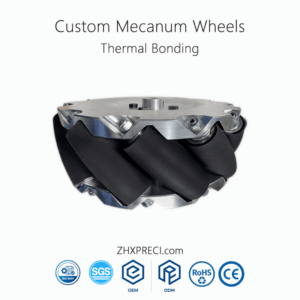
1200KG Payload Capacity 16inch 406mm Mecanum Caster Wheels Exclusive Polyurethane Formula Material Handling Equipment Parts
Read more -
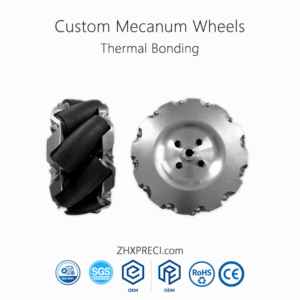
16inch 406mm Mecanum Caster Wheels 1200KG Payload Capacity Exclusive Polyurethane Formula New Aluminium Handling Equipment Farm
Read more -
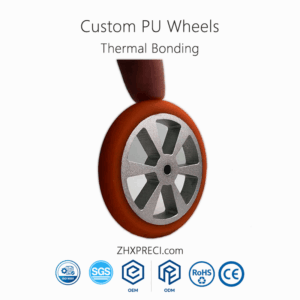
Custom Abrasion Proof PU Wheels For Sand Blasting Areas
Read more -
Custom Abrasion Resistant Polyurethane Wheels For Mining Carts
Read more -
Custom Abrasion Resistant Silicone Coated Wheels Heavy Duty Caster
Read more -
Custom Anti Static Silicone Coated Wheels
Read more -
Custom Anti-Slip Rubber Wheels with Rubber Coating for Wet Floor Surfaces
Read more -
Custom Anti-Static PU Wheels For Electronics Assembly
Read more -
Custom Anti-Static Rubber Rollers for Electronics Assembly
Read more -
Custom Anti-Static Rubber Wheels with Rubber Coating for Cleanroom Use
Read more -
Custom ATEX Compliant Polyurethane Wheels For Hazardous Areas
Read more -
Custom ATEX Compliant PU Wheels For Hazardous Areas
Read more -
Custom Bolt On Polyurethane Wheels For Utility Trailers
Read more -
Custom Bolt On Rubber Wheels with Rubber Coating for Equipment Mounting
Read more -
Custom Bolt-On PU Wheels For Easy Maintenance
Read more -
Custom CE Certified Polyurethane Wheels For European Machinery
Read more
Overview of Custom Swivel Industrial Rubber Wheels
Swivel industrial rubber wheels are engineered for material handling equipment, carts, tow lines, and automated guided vehicles that require multidirectional mobility. The swivel mechanism permits 360° rotation around a vertical axis, enabling tight turning radii and precise manoeuvring in confined factory aisles, warehouse racks, or assembly stations. When specified as custom designs, these wheels accommodate non‑standard bore sizes, tread profiles, load capacities, and attachment plates, making them suitable for specialised OEM applications. Manufacturers such as Custom Swivel Industrial Rubber Wheels from ZHXPRECI | China OEM/ODM Factory Manufacturer Supplier Custom Elastomer Wheels & Rollers focus on matching mechanical interfaces and environmental resistance to the exact duty cycle of the end‑user.
What Are Custom Swivel Industrial Rubber Wheels?
Custom swivel industrial rubber wheels are wheel assemblies that combine a rubber tread, a hub, bearings, and a swivel yoke or kingpin. The swivel function is achieved through a precision‑machined raceway and ball‑bearing or roller‑bearing arrangement within the top plate or yoke, which allows the wheel to pivot freely. Rubber treads are selected from natural rubber, SBR, neoprene, nitrile, EPDM, or polyurethane‑modified compounds, depending on oil resistance, temperature range, and floor protection requirements. Customisation involves altering the wheel diameter, tread width, hub material (steel, cast iron, or aluminium), bearing type (tapered roller, ball, or plain bore), and swivel head dimensions to match specific bolt‑hole patterns and mounting heights.
Key Features and Engineering Characteristics
- Swivel Radius and Offset: The offset distance between the vertical kingpin axis and the wheel contact patch determines the turning effort and stability. Larger offsets reduce initial turning resistance but increase overall swivel radius – a critical factor in multiple‑wheel configurations.
- Tread Hardness (Durometer): Measured on the Shore A scale, rubber compounds typically range from 65 to 95 Shore A. Softer compounds (65‑75) provide better floor protection and noise reduction, while harder compounds (80‑95) offer lower rolling resistance and higher cut/abrasion resistance.
- Load Capacity per Wheel: Static and dynamic load ratings depend on tread compound, core design, and bearing type. For industrial swivel castors, capacities commonly span 100 kg to over 1,500 kg per wheel. Temperature range for standard rubber compounds is typically ‑20 °C to +80 °C; specialised EPDM or silicone formulations can extend this range up to +120 °C or down to ‑40 °C.
- Bearing Configurations: Precision ball bearings minimise rolling friction in high‑speed applications, while tapered roller bearings better handle combined radial and thrust loads in heavy‑duty towing scenarios. Plain bores with sintered bronze bushings are cost‑effective for low‑speed, intermittent movements.
- Mounting Plate Options: Top plates can be flat, with pre‑drilled hole patterns conforming to European (e.g., 105×80 mm), American (e.g., 3″×3″), or custom OEM layouts. Bolt‑on, weld‑on, and stem‑type swivel heads are also available.
Material Selection Guide
Selecting the appropriate rubber compound is essential for performance and service life. Common options include:
- Natural Rubber (NR): High tensile strength and resilience, suitable for general‑purpose indoor use with clean floors.
- Styrene‑Butadiene Rubber (SBR): Cost‑effective, good abrasion resistance, widely used in warehouse carts and platform trucks.
- Neoprene (CR): Moderate oil and ozone resistance, often specified for machine‑tool applications where coolants are present.
- Nitrile (NBR): Excellent oil and fuel resistance, ideal for automotive assembly lines and workshop environments.
- EPDM: Superior weather, heat, and UV resistance, making it suitable for outdoor yard trailers and exposed equipment.
- Thermoplastic Polyurethane (TPU) – based elastomers: Higher load‑bearing capability and cut resistance than conventional rubber, often used in automated guided vehicles with high‑speed traversal.
Custom Swivel Industrial Rubber Wheels from ZHXPRECI | China OEM/ODM Factory Manufacturer Supplier Custom Elastomer Wheels & Rollers offers compound matching based on detailed application profiles, including floor type, ambient temperature, chemical exposure, and expected service cycles.
Performance Parameters Based on Industry Standards
Industry references such as ISO 22883 and DIN EN 12530 provide test methods for castor and wheel performance. Typical rolling resistance coefficients for rubber‑tyred swivel castors on smooth concrete range from 0.03 to 0.08, depending on tread hardness and bearing type. Starting torque (breakaway force) is roughly 2‑3 times the rolling force, influenced by swivel head bearing condition and load distribution. Floor protection is quantified by the indentation footprint – softer compounds leave minimal marks but may flatten under prolonged static loads; harder compounds offer lower indentation but can scratch epoxy‑coated floors if debris is present. In practice, many engineers adopt a dual‑durometer approach: a hard inner core for strength and a softer outer skin for grip and noise suppression.
What Is the Difference Between Swivel and Rigid Castors?
Swivel castors allow omnidirectional steering, while rigid (fixed) castors run only in a straight line. In a typical four‑wheel configuration, two swivel castors at the front and two rigid at the rear provide the best balance of control and tracking. All‑swivel designs are employed when manoeuvrability is paramount, such as in narrow‑aisle order‑picking trolleys. The swivel mechanism introduces an additional friction point and slight height variation due to the offset, which can affect load distribution – a factor that must be accounted for in platform stability calculations.
How to Determine the Correct Swivel Offset and Tread Width?
The offset (also called trail) directly affects steering effort. A general guideline is that offset should be between 1.5 and 2.5 times the wheel diameter for stable tracking. Tread width is typically 30‑50 % of the wheel diameter; wider treads reduce floor pressure (psi) but increase overall width, which may limit access to narrow racks. Engineers should calculate floor contact pressure using the formula: pressure = load / contact area. For example, a 250 mm diameter wheel with a 75 mm tread width loaded at 500 kg yields a contact area approximately 40‑60 cm², resulting in ground pressure of 8‑12 kg/cm² – within the acceptable range for most industrial epoxy floors. Always verify with the manufacturer’s load‑deflection curves, as actual contact area varies with compound stiffness.
Common Applications and Industry Sectors
- Automotive assembly: Engine stands, chassis dollies, and tow‑line carts require oil‑resistant rubber and high‑impact swivel bearings.
- Warehouse logistics: Pallet jacks, platform trucks, and mobile shelving systems benefit from quiet, floor‑friendly rubber treads.
- Food and beverage: Wheels with non‑marking, wash‑down‑compatible EPDM compounds and sealed bearings for hygiene regulations.
- Medical equipment: Hospital beds, IV stands, and surgical carts use conductive or antistatic rubber for operating theatre safety.
- Aerospace ground support: Towbars and maintenance stands require high‑load capacities and temperature‑resistant compounds for tarmac environments.
How to Select the Right Bearing Type for Your Swivel Wheel?
Bearing selection influences rolling resistance, noise, and maintenance intervals. Plain bronze bushings are adequate for light‑duty, low‑speed applications (≤2 km/h) with occasional use. Double‑shielded ball bearings (e.g., 6202‑2RS) suit moderate speeds (up to 4 km/h) and continuous operation, offering lower friction and longer life if relubricated periodically. Tapered roller bearings are preferred for heavy loads (>800 kg per wheel) and frequent towing, as they handle axial thrust from swivel turning. For extreme environments (dust, water jets), sealed‑for‑life bearings with labyrinth seals prevent contaminant ingress. Custom Swivel Industrial Rubber Wheels from ZHXPRECI | China OEM/ODM Factory Manufacturer Supplier Custom Elastomer Wheels & Rollers provides bearing type recommendations based on dynamic load calculations and environmental factors.
Mounting and Installation Considerations
Proper installation ensures swivel function and safety. The top plate must be bolted to a rigid, flat surface using grade 8.8 or higher fasteners, with torque values per the plate hole diameter. Swivel head bolts should be adjusted to eliminate play while allowing free rotation – excessive tightening increases friction, while loose bolts cause wobble and premature wear. When mounting multiple wheels, ensure that the swivel axes are aligned with the direction of travel for optimal steering response. Regularly inspect kingpin and raceway for debris and lubrication; a general‑purpose lithium grease applied every 500 operating hours extends bearing life significantly.
Maintenance and Service Life
Service life of industrial rubber swivel wheels depends on operating conditions. Under moderate use (8 hours/day, 5 days/week) with regular cleaning and lubrication, ball‑bearing swivel castors typically last 2‑4 years before bearing replacement is necessary. Rubber treads may show wear patterns – flat spots indicate prolonged static loading, while uneven wear suggests misalignment or excessive camber. A visual inspection schedule (weekly for heavy‑duty, monthly for light‑duty) is recommended. Replace wheels when tread depth reduces by 30 % or when the swivel race develops noticeable play. Avoid steam cleaning on high‑temperature compounds (above +80 °C) as it accelerates hardening and cracking.
What Load Capacity Does a Custom Swivel Rubber Wheel Support?
Load capacity is determined by the weakest component – typically the swivel bearing raceway or the hub‑tread bond. For a standard 200 mm diameter, 50 mm wide rubber wheel with ball bearings, the dynamic load rating (at 4 km/h) is usually between 300 and 600 kg. Heavy‑duty versions with tapered bearings and reinforced hubs can support up to 1,200 kg per wheel at lower speeds. However, capacity must be derated for elevated temperatures (approx. 10 % reduction per 20 °C above +40 °C) and for continuous towing over uneven surfaces. Always refer to the supplier’s load‑speed chart – a typical relationship is that load capacity decreases as speed increases. For custom designs, finite element analysis (FEA) of the swivel head and axle pin is often performed to verify structural integrity under shock loads.
How to Order Custom Swivel Industrial Rubber Wheels?
The ordering process for custom designs involves several technical exchanges. Firstly, define the application parameters: maximum load per wheel, travel speed, floor condition, ambient temperature range, and exposure to chemicals/oils. Secondly, specify mounting details – top plate dimensions, bolt hole pattern (metric or imperial), and required overall height (including the swivel head). Thirdly, select tread material, hardness, and colour (black, grey, or non‑marking white). Finally, confirm bearing type and any special requirements such as antistatic conductivity (resistance below 10⁶ Ω) or heat‑resistant compounds. Most OEM suppliers will produce engineering drawings for approval prior to batch production. Custom Swivel Industrial Rubber Wheels from ZHXPRECI | China OEM/ODM Factory Manufacturer Supplier Custom Elastomer Wheels & Rollers follows a collaborative design‑to‑manufacturing workflow, including sample validation and dimensional inspection reports.
Lead Time and Production Planning
Production schedules for custom swivel wheels are subject to order quantity, current production schedule, and final specification confirmation. Small‑batch prototypes (10‑50 units) typically have shorter cycles, while large‑volume orders (500+ units) require dedicated moulding and assembly time. It is advisable to initiate procurement planning with a preliminary enquiry, allowing the manufacturer to provide a realistic timeline after reviewing the technical datasheet. For urgent requirements, some suppliers maintain a stock of semi‑finished components that can be finalised with custom bore or mounting patterns – this option can reduce waiting periods, but should be confirmed on a case‑by‑case basis.
Quality Assurance and Testing Methods
Reputable manufacturers conduct a series of tests to ensure conformity with industry norms. Common tests include:
- Dynamic load test: Running the wheel under 1.5 times the rated load for 100 km to verify durability.
- Swivel rotation test: 500‑cycle full‑turn test with rated load to measure torque increase.
- Adhesion test: Peel strength between rubber tread and metal core (minimum 5 N/mm per DIN 53530).
- Hardness verification: Shore A durometer measurement on three points of the tread.
- Salt spray test: For galvanised or zinc‑plated swivel heads (≥72 hours without red rust per ASTM B117).
All test records should be available upon request, and batch‑to‑batch consistency is monitored via statistical process control (SPC) on compound mixing and moulding parameters.
Environmental and Regulatory Compliance
Industrial rubber wheels must comply with REACH and RoHS directives for chemical substances. Polycyclic aromatic hydrocarbons (PAH) content in rubber should be below 1 mg/kg for toys and below 10 mg/kg for general industrial use – this is particularly important for equipment used in food‑processing zones. Additionally, wheels with conductive or antistatic properties must meet the surface resistivity requirements of EN 16354 or IEC 61340‑5‑1. Many OEM buyers now request full material declaration (IMDS) for automotive projects. It is prudent to request compliance documentation before placing large orders.
Frequently Asked Questions (FAQ)
What is the typical temperature range for standard industrial rubber swivel wheels?
Standard natural rubber or SBR compounds perform from ‑20 °C to +70 °C. Special EPDM or silicone variants extend the upper limit to +120 °C, while nitrile blends remain flexible down to ‑30 °C. For extreme cold (below ‑40 °C), consider polyurethane or specially formulated low‑temperature rubbers, although these may have higher rolling resistance at ambient temperatures.
How do I prevent flat spots on rubber wheels during prolonged parking?
Prolonged static loading causes deformation (compression set). To mitigate, use harder compounds (≥85 Shore A) or specify wheels with a reinforced internal structure (e.g., pressed‑steel core with a thin rubber band). Where possible, rotate the equipment periodically or use wheel chocks to shift the load contact point. For long‑term storage, consider jacking the equipment to relieve load from the wheels.
Can I replace only the rubber tread without changing the swivel head?
Some designs allow tread replacement (bolt‑on or press‑fit rings), but most industrial swivel castors have integrally moulded rubber onto the hub. Tread replacement is not cost‑effective for smaller sizes; however, for large‑diameter wheels (≥400 mm) used in heavy machinery, suppliers sometimes offer re‑tyring services. Check with the manufacturer for available options.
Are there noise‑reduction options for swivel rubber wheels?
Yes. Softer tread compounds (65‑75 Shore A) significantly reduce rolling noise, especially on smooth floors. Additionally, using precision‑grade ball bearings with low‑noise grease and ensuring the swivel raceway is properly lubricated can lower squeaking during turns. For very quiet environments (hospital wards, libraries), choose polyurethane‑over‑cast‑iron wheels with a textured surface that dampens vibrations.
How to measure swivel head height accurately for replacement?
Swivel head height is measured from the top of the mounting plate (or the bottom of the stem) to the floor contact point, with the wheel fully assembled and unloaded. This dimension is critical for maintaining platform level. Use a vernier caliper or height gauge, and always verify with the manufacturer’s drawing – small variations (±2 mm) can affect the overall stability of multi‑wheel systems.
What is the recommended bolt torque for swivel castor mounting plates?
Torque depends on bolt size and grade. For M10 grade 8.8 bolts, typical torque is 40‑50 N·m; for M12, 70‑80 N·m. Under‑torquing causes bolt loosening from vibration, while over‑torquing can strip threads or distort the plate. Use thread‑locking compound (medium strength) and re‑check torque after the first 100 hours of operation.
Do custom swivel wheels require special lubrication?
Most swivel heads come pre‑greased with a lithium‑based grease. During maintenance, apply a small amount of NLGI #2 grease to the kingpin and raceway every 3‑6 months, depending on usage. Avoid over‑greasing, as excess can attract dust and form abrasive paste. For food‑grade applications, use NSF H1‑registered lubricants.
How do I know if the wheel is suitable for towing applications?
Towing involves higher lateral forces than manual pushing. Look for wheels with reinforced swivel yokes (forged steel rather than stamped), larger‑diameter kingpins, and sealed tapered bearings. The supplier should provide a towing load rating – typically 60‑70 % of the static load capacity for continuous towing at 3‑5 km/h. Always use a tow bar attachment that distributes force evenly across the swivel head.
Can I get samples before mass production?
Most custom manufacturers offer sample production, usually at a nominal cost covering material and machining time. Samples are highly recommended to validate fit, swivel action, and floor footprint before committing to large batches. Custom Swivel Industrial Rubber Wheels from ZHXPRECI | China OEM/ODM Factory Manufacturer Supplier Custom Elastomer Wheels & Rollers supports sample orders with full dimensional reports and compound certification.
What documentation is provided with custom orders?
Typical documentation includes 2D/3D CAD drawings, material certificates (EN 10204 3.1 or 2.2), test reports for load and hardness, and a certificate of conformity to relevant standards (e.g., ISO 22883). For projects requiring traceability, individual serial numbers can be laser‑marked on the swivel head.
Summary of Selection Criteria for Engineers
To summarise, the selection of custom swivel industrial rubber wheels should follow a structured decision matrix: (1) load and speed, (2) floor condition and required protection, (3) environmental (temperature, chemicals), (4) mounting geometry, (5) maintenance access, and (6) regulatory needs. Cross‑checking these parameters against the supplier’s data sheets and requesting a design review meeting can reduce costly mismatches. The market offers many standard off‑the‑shelf products, but when dimensions, capacities, or materials deviate from standard ranges, a custom solution becomes necessary. Collaborating with an experienced OEM supplier such as Custom Swivel Industrial Rubber Wheels from ZHXPRECI | China OEM/ODM Factory Manufacturer Supplier Custom Elastomer Wheels & Rollers ensures that the engineering specifications are correctly interpreted and translated into robust, reliable wheel assemblies.
For further technical assistance, users are encouraged to prepare a detailed application datasheet and engage in direct consultation with the manufacturer’s engineering team – this approach yields the most accurate performance predictions and optimised product life. The information provided here is based on general industrial knowledge and should be validated through practical testing under actual operating conditions.