
Custom Corrosion Resistant Polyurethane Wheels
Showing 17–32 of 73 results
-
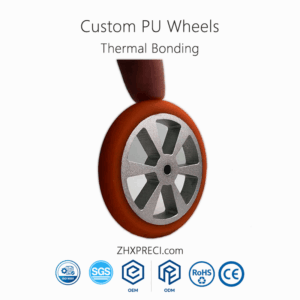
Custom Explosion Proof Polyurethane Wheels For Paint Booths
Read more -
Custom FDA Compliant Polyurethane Wheels For Medical Carts
Read more -
Custom FDA Compliant Polyurethane Wheels For Pharma Carts
Read more -
Custom Fixed Polyurethane Wheels For Industrial Racks
Read more -
Custom Flame Retardant Polyurethane Wheels For Fire Escape Carts
Read more -
Custom Flanged Polyurethane Wheels For Crane Rails
Read more -
Custom Flanged Polyurethane Wheels For Rail Guided Vehicles
Read more -
Custom Food Grade Polyurethane Wheels For Bakery Carts
Read more -
Custom Food Grade Polyurethane Wheels For Processing Lines
Read more -
Custom Heat Resistant Polyurethane Wheels For Kiln Carts
Read more -
Custom Heavy Duty Polyurethane Wheels For AGV Systems
Read more -
Custom Heavy Duty Polyurethane Wheels For Distribution Carts
Read more -
Custom Heavy Duty Polyurethane Wheels For Farm Carts
Read more -
Custom High Capacity Polyurethane Wheels For Pallet Trucks
Read more -
Custom High Load Polyurethane Wheels For Forklift Attachments
Read more -
Custom High Speed Polyurethane Wheels For Sorting Systems
Read more
Custom Corrosion Resistant Polyurethane Wheels
Custom corrosion resistant polyurethane wheels are molded elastomer wheels built for industrial environments where moisture, chemicals, salt spray and routine washdown shorten the service life of ordinary wheels. In such conditions the wheel tread, the hub and the bearing all face attack at the same time, and a failure in any one of them ends the working life of the assembly. The purpose of a corrosion resistant design is not to switch on a single property, but to tune polymer chemistry, hub material, bearing sealing and geometry to the specific environment the wheel will meet. This guide explains what these wheels are, how they are specified, which polymer and hardware choices matter, and where they are commonly used in practice. ZHXPRECI manufactures these products as a China-based OEM/ODM factory, producing to drawing and to application rather than to a fixed catalog default.
What Are Custom Corrosion Resistant Polyurethane Wheels
Custom corrosion resistant polyurethane wheels are wheels in which a polyurethane tread is cast or bonded onto a hub, and the complete assembly is specified to resist chemical attack, moisture absorption and rust. Polyurethane is a family of polymers rather than a single material. Its resistance to water and chemicals depends on the polyol and isocyanate used, the hardness, the curing cycle and the additives in the compound. For corrosion resistant work, manufacturers generally select polyether-based polyurethane, which tolerates hydrolysis better than polyester-based grades. The hub may be cast iron with a protective coating, steel, stainless steel, aluminum or engineering plastic, and the bearing is often sealed or shielded to keep water and process chemicals away from the rolling elements.
The word custom carries weight in this context. Two applications that look similar on a factory floor can demand very different wheels. A wheel used in a dilute alkaline washdown faces different chemistry from one exposed to salt air on a dock, or to a mild acid splash on a plating line. Custom manufacturing allows hardness, polymer type, hub material, bearing seal and tread profile to be matched to the duty, instead of accepting a stock wheel that is only approximately suitable.
Why Choose Custom Corrosion Resistant Polyurethane Wheels
Corrosion is rarely a sudden event. It begins with small changes: a tread that absorbs a little moisture, a hub that starts to show surface rust, a bearing that loses its grease to water ingress. Over months these small changes compound into cracking, bond failure, increased rolling resistance and premature replacement. In food processing, pharmaceutical and chemical plants, a corroded wheel may also become a contamination risk because rust particles and degraded polymer can shed into the production area. That is why corrosion resistant polyurethane wheels are often selected not only for service life but for hygiene and process integrity.
- Chemical resistance: properly formulated polyurethane resists many oils, greases, dilute acids, dilute alkalis and aliphatic hydrocarbons that would degrade rubber or unprotected steel.
- Hydrolysis resistance: polyether-based grades resist the slow breakdown caused by water and humid air, which is the main long-term threat in washdown and marine duty.
- Abrasion resistance: polyurethane outlasts rubber on many abrasive floors, which matters when the wheel is also exposed to grit, scale or metal debris.
- Load capacity with lower rolling resistance: a polyurethane tread can carry high loads while rolling more easily than a soft rubber tread of the same size.
- Non-marking and quiet running: the tread does not leave black marks on light floors and reduces noise compared with hard metal or nylon wheels.
- Custom formulation: hardness, colour, additive package and hub design can all be adjusted, so the wheel is matched to the environment rather than to a general purpose.
Material Performance of Custom Corrosion Resistant Polyurethane Wheels
The table below shows typical values for cast polyurethane used in wheel and roller treads. Actual figures depend on the specific formulation, hardness and wall thickness, so these should be read as design guidance rather than fixed limits. Where a project requires tighter control, the compound can be adjusted and the finished part tested.
| Property | Typical Range | Practical Meaning |
|---|---|---|
| Hardness | Shore A 60 to 95; Shore D 45 to 75 | Softer grades grip and absorb shock; harder grades carry load and roll easily. |
| Tensile strength | 30 to 55 MPa | Higher values indicate a tougher tread that resists tearing and chunking. |
| Elongation at break | 300% to 600% | Higher elongation helps the tread deform over obstacles without cracking. |
| Rebound resilience | 30% to 60% | Affects rolling resistance, heat build up and comfort under load. |
| Abrasion loss | Low to very low | Extended tread life on gritty or uneven floors compared with rubber. |
| Water absorption | Low | Reduces swelling and dimensional change in wet duty. |
| Hydrolysis resistance | Good in polyether grades | Important for washdown, marine and humid environments. |
| Continuous service temperature | About -20 °C to +80 °C | Standard grades; heat resistant formulations extend the upper limit, typically to around +120 °C for intermittent exposure. |
| Chemical resistance | Broad but selective | Good against oils and dilute aqueous chemicals; polar solvents and strong acids or bases require review. |
Two points deserve emphasis. One is that corrosion resistance in polyurethane is chemistry dependent. A grade that performs well in water may not perform well in a solvent, and the reverse is also true. Another is that the tread is only part of the assembly. A properly formulated tread on a plain carbon steel hub will still fail through the hub, which is why material selection covers the entire wheel.
Details Images
Detailed product images and drawing files are available on request. Please share your application conditions and mounting dimensions so we can provide relevant views, dimensions and material information for review.
Customization Options for Corrosion Resistant Polyurethane Wheels
Because every corrosive environment is different, customization is normally the rule rather than the exception. The most common variables are listed below.
- Polymer type: polyether-based polyurethane for hydrolysis resistance, polyester-based grades where oil and abrasion resistance dominate, or specially compounded systems for particular chemicals.
- Hardness: from soft shock absorbing treads to hard, low rolling resistance treads, selected against load, floor condition and speed.
- Hub material: cast iron, steel, stainless steel, aluminum or engineering plastic, with surface treatment chosen for the environment.
- Bearing type: precision ball bearings, roller bearings, tapered roller bearings, plain bore or stainless bearings, with seals or shields as needed.
- Bonding method: chemical bonding to a prepared metal surface, or mechanical keying where higher torque or impact is expected.
- Tread profile: flat, crowned, grooved or contoured, depending on guidance, floor surface and load distribution.
- Size and geometry: diameter, width, bore and hub length produced to drawing.
- Colour and marking: used for plant identification, hygiene zones or brand requirements.
Each of these choices interacts with the others. Increasing hardness to gain load capacity may reduce grip; adding a sealed bearing improves water resistance but changes the running characteristics. The practical approach is to define the operating conditions first, then select the combination that satisfies them.
Technical Specifications for Custom Corrosion Resistant Polyurethane Wheels
The table below summarises the range of parameters normally available for custom corrosion resistant polyurethane wheels. Values outside these ranges can often be met through tooling and compound development.
| Parameter | Available Range | Remarks |
|---|---|---|
| Outside diameter | 50 mm to 600 mm | Larger diameters available on request. |
| Tread width | 20 mm to 300 mm | Determined by load and floor condition. |
| Hardness | Shore A 60 to 95; Shore D 45 to 75 | Selected against load, speed and grip. |
| Load capacity | From a few dozen kilograms to several tonnes per wheel | Depends on diameter, width, hardness, hub and bearing design. |
| Service temperature | -20 °C to +80 °C standard; up to about +120 °C special | Intermittent exposure for high temperature grades. |
| Hub material | Cast iron, steel, stainless steel, aluminum, nylon | Selected to suit the chemical environment. |
| Bearing type | Ball, roller, tapered, plain bore, stainless | Sealed or shielded options available. |
| Tread surface | Smooth, crowned, grooved, contoured | Matched to guidance and floor condition. |
| Colour | Natural amber, black, white, custom | Pigments selected for UV and chemical stability. |
| Dimensional tolerance | Typically ±0.5 mm | Tighter tolerances on request for precision duty. |
Applications of Corrosion Resistant Polyurethane Wheels
These wheels are used wherever equipment must keep moving in wet or chemically active surroundings. Typical applications include:
- Food and beverage processing: washdown areas, trolleys, conveyors and racks exposed to water and cleaning agents.
- Pharmaceutical and cleanroom equipment: carts and transfer trolleys where non-marking and non-shedding behaviour matters.
- Chemical and plating plants: acid and alkali splash zones, rinse stations and wet benches.
- Marine and offshore equipment: dockside carts, boatyard trolleys and salt air environments.
- Automated guided vehicles and transfer carts: wheels that must roll accurately while tolerating wet floors.
- Car wash and water treatment equipment: constant moisture and detergent exposure.
- Outdoor and humid storage: racks and dollies used in unheated buildings.
In each case the wheel is selected against the most aggressive condition it will meet, not against the average working day. That approach is what separates a wheel that lasts one season from one that stays in service for years.
How to Select the Right Corrosion Resistant Polyurethane Wheel
Selection is a sequence rather than a single decision. Working through the following steps reduces the risk of an unsuitable specification.
- Identify the chemicals present, including concentration, temperature and whether exposure is continuous or occasional.
- Measure the load per wheel, allowing for shock loading and uneven weight distribution.
- Assess the floor condition, including roughness, debris, slopes and the presence of water or oil films.
- Set the operating temperature range, noting any intermittent peaks that exceed normal service conditions.
- Choose the hub material and bearing type to match the environment and the required running life.
- Select the hardness and tread profile that balance load capacity, grip and rolling resistance.
- Confirm the mounting dimensions, including bore, hub length and any keyway or fixing detail.
- Plan for verification, such as a sample wheel or accelerated exposure test for high value or high risk applications.
Frequently Asked Questions About Custom Corrosion Resistant Polyurethane Wheels
What makes custom corrosion resistant polyurethane wheels corrosion resistant
Corrosion resistance in custom corrosion resistant polyurethane wheels comes from three things working together. The first is the polymer itself, with polyether-based formulations resisting hydrolysis better than polyester-based grades. The second is the hub and the bond between tread and hub, since an unprotected steel core can rust even when the tread is intact. The third is the bearing, which must keep water and chemicals away from the rolling elements. A corrosion resistant polyurethane wheel addresses all three, not just the visible tread.
How do I choose the right hardness for custom corrosion resistant polyurethane wheels
When selecting custom corrosion resistant polyurethane wheels, hardness is a trade off between load capacity and grip. Higher hardness, in the Shore D range, supports heavier loads and rolls more easily but offers less traction. Lower hardness, in the Shore A range, grips better and absorbs shock but deflects more under load. On smooth wet floors, a moderately hard tread with a crowned profile often works well. On rough or debris covered floors, a softer tread is usually more tolerant.
Can polyurethane wheels be used in salt water or marine environments
Yes, provided the formulation and hardware are chosen for that duty. A polyether-based tread combined with a stainless steel hub and sealed stainless bearing is a common specification for dockside and marine equipment. Plain carbon steel should be avoided unless it is properly protected, because salt spray will reach it through any break in the coating.
What is the difference between polyether and polyester polyurethane
Both are polyurethanes, but they behave differently in wet conditions. Polyester-based grades generally offer good oil and abrasion resistance but are more susceptible to hydrolysis, meaning they can degrade over time when exposed to water or high humidity. Polyether-based grades resist hydrolysis much better and are therefore preferred for washdown, marine and humid environments.
What temperature range can corrosion resistant polyurethane wheels handle
Standard grades are typically rated for continuous service between about -20 °C and +80 °C. Heat resistant formulations extend the upper limit, commonly to around +120 °C for intermittent exposure. Sustained operation above the rated temperature will accelerate hardening and shorten service life, so the actual duty cycle should be reviewed before selection.
Are these wheels suitable for chemical plants and plating lines
They are frequently used in those settings, but the specific chemicals must be reviewed. Dilute acids, dilute alkalis and many process fluids are handled well by appropriate formulations. Strong acids, strong bases and polar solvents can attack polyurethane, so in those cases a different polymer or a protective arrangement may be required.
How are custom corrosion resistant polyurethane wheels made
These wheels are produced in a sequence that normally begins with a hub prepared to the required surface condition, followed by casting or bonding of the polyurethane tread around it. The wheel is then cured, machined where necessary to achieve the final diameter and tolerance, and fitted with the specified bearing. Each stage affects the final performance, which is why process control matters as much as material choice.
What hub and bearing options are available
Hubs can be supplied in cast iron, steel, stainless steel, aluminum or engineering plastic. Bearings include precision ball bearings, roller and tapered roller bearings, plain bore and stainless versions, with seals or shields where water and chemicals are present. The choice is normally driven by the environment, the load and the required running life.
How should corrosion resistant polyurethane wheels be maintained
Maintenance is straightforward but worth doing regularly. Check the tread for cuts, swelling or embedded debris, inspect the hub for any sign of coating damage, and confirm that bearing seals are still effective. Where sealed bearings are used, re greasing intervals should follow the manufacturer recommendation for the duty. Prompt attention to small damage prevents water ingress from turning into bearing failure.
What is the typical lead time for custom orders
Lead time is subject to order quantity, current production schedule and final specification confirmation. Items involving new tooling, non standard compounds or special hub materials naturally require more time than repeat orders of an established specification. Confirmed dates are provided after the drawing and specification are agreed.
Production & Inventory Policy
Lead time: Lead time is subject to raw material supply, machining equipment availability, peak season workload and final specification confirmation. We provide an estimated delivery schedule after the order is confirmed and keep you informed of any changes.
Stock status: Most items are produced to order. A limited number of fast-moving standard specifications may be held in stock, and stock quantities change with sales and production. Please contact our team to confirm real-time availability before placing an order.
Bulk & urgent orders: For large-volume or urgent requirements, please contact us in advance so we can review production capacity and scheduling and try to meet your timeline.
Ordering Custom Corrosion Resistant Polyurethane Wheels from ZHXPRECI
Custom corrosion resistant polyurethane wheels from ZHXPRECI are produced to drawing and to application. The quotation process starts with the operating conditions: the chemicals involved, the load per wheel, the floor and the temperature range. From there the polymer, hardness, hub and bearing are proposed, and any open questions are resolved before production begins. For repeat customers, existing specifications can be held on file so that reorders match earlier deliveries.
About ZHXPRECI
Custom corrosion resistant polyurethane wheels from ZHXPRECI are manufactured as a China OEM/ODM factory, manufacturer and supplier of custom elastomer wheels and rollers, serving OEM and ODM customers across material handling, food processing, chemical, marine and automation industries. The company works with cast polyurethane and related elastomers, producing wheels and rollers in a range of hardness, size and hub configurations. Custom corrosion resistant polyurethane wheels from ZHXPRECI are manufactured to customer drawings, with material and dimensional requirements agreed before production. The focus is on consistent quality across repeat orders and on matching the product to the conditions it will actually face.
Factory & Equipment
ZHXPRECI operates as a China-based factory for custom elastomer wheels and rollers. Production covers hub preparation, polyurethane casting or bonding, curing, machining and bearing fitting. Equipment and process capabilities can be reviewed during project discussion, and material or inspection documents relevant to the order can be provided where required.
Request a Quote for Custom Corrosion Resistant Polyurethane Wheels
If you are specifying wheels for a wet, salty or chemically active environment, the most useful starting point is a clear description of the duty. Share the chemical exposure, load per wheel, floor condition, temperature range and mounting dimensions, and a suitable specification can be proposed. Whether the requirement is a single replacement set or a recurring production order, ZHXPRECI can review the application and advise on the polymer, hardness, hub and bearing combination that fits. Send your drawing or application details to request a price and begin the discussion.
Contact ZHXPRECI for custom corrosion resistant polyurethane wheels