
Custom Non Marking Polyurethane Wheels
Showing 33–48 of 71 results
-
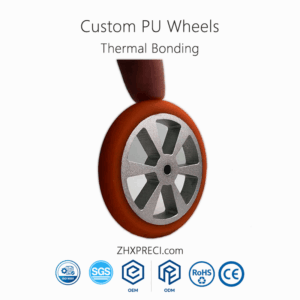
Custom High Temperature Polyurethane Wheels For Oven Trolleys
Read more -
Custom Hollow Bore Polyurethane Wheels For Motor Mounts
Read more -
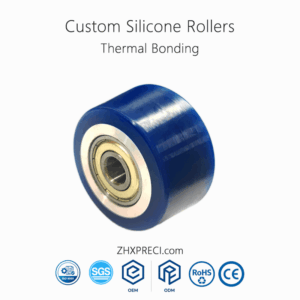
Custom Hollow Bore PU Wheels For Direct Motor Mount
Read more -
Custom Hydrolysis Resistant Polyurethane Wheels For Fish Bins
Read more -
Custom Hydrolysis Resistant Polyurethane Wheels For Marine Docks
Read more -
Custom Keyway Mounted Polyurethane Wheels For Drive Shafts
Read more -
Custom Keyway Mounted Polyurethane Wheels For Pump Drives
Read more -
Custom Large Diameter Polyurethane Wheels For Heavy Equipment
Read more -
Custom Low Noise Polyurethane Wheels For Hospital Beds
Read more -
Custom Low Temperature Polyurethane Wheels For Freezer Carts
Read more -
Custom Low Temperature Polyurethane Wheels For Freezer Racks
Read more -
Custom Miniature Size Polyurethane Wheels For Small Devices
Read more -
Custom Non Marking Polyurethane Wheels For Food Conveyors
Read more -
Custom Non Marking Polyurethane Wheels For Showroom Carts
Read more -
Custom Oil Resistant Polyurethane Wheels For Machine Tools
Read more -
Custom Oil Resistant Polyurethane Wheels For Workshop Carts
Read more
Custom Non Marking Polyurethane Wheels – China OEM/ODM Factory Manufacturer and Supplier
Custom non marking polyurethane wheels are precision-made elastomer wheels designed to carry loads across finished floors, epoxy coatings, vinyl tile, and delicate surfaces without leaving scuff marks, black streaks, or rubber residue. Unlike conventional rubber or hard plastic wheels, these polyurethane wheels combine high load-bearing capacity with a floor-friendly contact surface. They are widely specified in medical equipment, food processing lines, electronics assembly, packaging machinery, cleanrooms, and retail logistics where floor appearance and surface integrity matter. As a China-based OEM/ODM factory, ZHXPRECI manufactures custom non marking polyurethane wheels in a broad range of diameters, widths, durometers, hub designs, and bearing configurations to match specific equipment and operating conditions.
What Are Custom Non Marking Polyurethane Wheels?
Custom non marking polyurethane wheels are wheels whose tread is made from polyurethane elastomer rather than natural rubber, nitrile rubber, or solid plastic. The term "non marking" refers to the wheel's ability to roll without depositing dark marks, dye transfer, or abrasive particles onto the floor surface. This property is achieved through a combination of raw material selection, curing chemistry, and surface finishing. Polyurethane is inherently resistant to the black carbon staining associated with many rubber compounds, and when properly formulated it delivers a clean, consistent contact patch that preserves floor appearance over time.
The word "custom" indicates that the wheel is not limited to catalog dimensions. Buyers can specify outside diameter, tread width, bore size, hub material, hub profile, durometer, color, and bearing type. This flexibility allows equipment manufacturers and maintenance teams to replace or upgrade wheels without modifying existing casters, brackets, or axle assemblies. Custom non marking polyurethane wheels can be produced as complete wheels with integrated hubs, or as polyurethane treads bonded onto customer-supplied cores.
Polyurethane wheels are thermoset elastomers, formed through a chemical reaction rather than simple melting and reshaping. This crosslinked structure gives them a useful balance of elasticity, abrasion resistance, tear strength, and load capacity. The non marking characteristic is not simply a surface coating; it is a bulk material property that remains consistent as the wheel wears, provided the formulation and bonding are correctly engineered.
Why Choose Custom Non Marking Polyurethane Wheels
Selecting the right wheel involves balancing floor protection, load capacity, rolling resistance, noise, and service life. Custom non marking polyurethane wheels address these factors in a way that many other wheel types find difficult to match. The following points explain the practical advantages.
Floor Protection Without Sacrificing Load Capacity
Many soft wheels protect floors but deform under heavy loads, creating high rolling resistance and flat spots. Polyurethane wheels can be formulated across a wide hardness range, so a non marking wheel can still support substantial loads. A wheel with a 90 Shore A tread, for example, can carry a heavier load than a similarly sized 70 Shore A wheel while still avoiding floor marking. This makes custom non marking polyurethane wheels suitable for both light institutional carts and heavier industrial transfer equipment.
Custom Formulation for Specific Floors
Different floors respond differently to wheel contact. Epoxy coatings, polished concrete, vinyl composition tile, ceramic tile, and hardwood each have distinct surface characteristics. A wheel that performs well on concrete may leave marks on a soft vinyl floor, and vice versa. Because these are custom polyurethane wheels, the formulation can be adjusted for hardness, rebound, and surface friction to suit the intended floor type. Colorants can also be selected to avoid dye transfer, with light or neutral colors often preferred in clean environments.
Reduced Noise and Vibration
Polyurethane absorbs vibration and impact better than hard materials such as steel or nylon. In hospitals, laboratories, and office environments, this translates into quieter operation and less transmitted shock to sensitive equipment. Non marking polyurethane wheels are therefore common on medical carts, diagnostic equipment, and precision instruments where both floor appearance and vibration control are important.
Resistance to Oils, Greases, and Mild Chemicals
Polyurethane generally offers good resistance to many oils, greases, and mild cleaning agents. This makes custom non marking polyurethane wheels practical in food processing, automotive workshops, and industrial facilities where floors are regularly cleaned. It is important to confirm chemical compatibility for specific exposure conditions, as concentrated acids, strong solvents, and certain alkaline solutions can degrade polyurethane over time.
Consistent Performance Across Temperature Ranges
Standard polyurethane formulations perform well in typical indoor environments. For cold storage or elevated-temperature applications, specialized formulations can extend the useful range. Buyers should confirm the intended operating temperature with the manufacturer, because hardness, rebound, and load capacity can change at temperature extremes.
OEM/ODM Support from a China Factory
Working directly with a China OEM/ODM factory allows buyers to control specification, tooling, and packaging. Custom non marking polyurethane wheels from ZHXPRECI can be produced with private labeling, custom hub machining, and batch traceability. This is valuable for equipment manufacturers that need a consistent wheel specification across multiple production runs.
Technical Specifications of Custom Non Marking Polyurethane Wheels
The table below outlines typical specification ranges for custom non marking polyurethane wheels. Actual values depend on wheel size, durometer, hub design, and application requirements. Buyers should confirm final specifications during the inquiry stage.
| Parameter | Typical Range | Notes |
|---|---|---|
| Outside diameter | 50 mm to 500 mm | Custom sizes available within tooling limits |
| Tread width | 20 mm to 150 mm | Determined by load and floor contact requirements |
| Tread hardness | 60 Shore A to 75 Shore D | Non marking grades commonly 70 to 95 Shore A |
| Hub material | Steel, stainless steel, aluminum, cast iron, engineering plastic | Selected based on load, corrosion, and weight |
| Bearing type | Plain bore, roller bearing, ball bearing, precision bearing | Custom bore sizes available |
| Operating temperature | Approximately -20°C to 80°C for standard grades | Special formulations can extend the range |
| Load capacity per wheel | From a few kilograms to several tonnes | Depends on diameter, width, durometer, and speed |
| Color options | Natural, white, grey, blue, green, red, custom | Light colors often chosen for marking-sensitive areas |
| Surface finish | Machined, ground, buffed | Finish affects friction and marking behavior |
Material Performance Data
The performance of custom non marking polyurethane wheels depends on the polyurethane grade, the bonding method between tread and hub, and the operating conditions. The following table summarizes general performance characteristics commonly observed in industrial polyurethane wheel applications. These values are intended as a general guide rather than a fixed performance commitment for every application.
| Property | General Behavior |
|---|---|
| Abrasion resistance | Generally higher than natural rubber and many thermoplastics |
| Tear strength | Good to very good depending on formulation |
| Compression set | Low under moderate loads; increases under sustained high stress |
| Rebound resilience | Moderate to high; contributes to low rolling resistance |
| Marking tendency | Low on most finished floors when correctly formulated and finished |
| Oil and grease resistance | Good for many common industrial oils and greases |
| Water resistance | Moderate for intermittent contact; formulations for washdown or humid environments should be specified |
| UV and ozone resistance | Ozone resistance is generally good; UV stability depends on formulation |
| Bonding to hub | Strong when surface preparation and bonding process are controlled |
Because custom non marking polyurethane wheels are often used in environments where failure is inconvenient or costly, buyers should discuss expected loads, speeds, floor type, and cleaning chemicals with the manufacturer. This information allows the polyurethane grade and hub design to be matched to the application, reducing the risk of premature wear, debonding, or unexpected marking.
Customization Options
Customization is central to the value of these wheels. A standard catalog wheel may be close to what is needed, but a custom wheel can be made to fit exactly. The following customization parameters are commonly available.
Dimensions
Outside diameter, tread width, bore diameter, hub length, and overall wheel width can all be specified. This is particularly useful when replacing wheels on imported equipment or legacy machinery where original spare parts are difficult to obtain. Custom dimensions also allow equipment designers to optimize load distribution and floor clearance.
Durometer and Formulation
Durometer is a measure of hardness. Softer polyurethane generally grips better and protects floors but deforms more under load. Harder polyurethane rolls more easily and carries more load but offers less cushioning. For non marking applications, the durometer is often selected after considering floor type, load per wheel, and rolling speed. Formulations can also be adjusted for rebound, heat buildup, and chemical exposure.
Hub Design
The hub is the structural core of the wheel. It can be machined from steel, stainless steel, aluminum, cast iron, or engineering plastic. The hub may include a keyway, set screw holes, threaded bores, or bearing seats. In some cases, the polyurethane is bonded directly onto a customer-supplied core. Hub design affects load capacity, corrosion resistance, and ease of installation.
Bearing Selection
Bearing choice influences rolling resistance, speed capability, and maintenance requirements. Plain bore wheels are simple and cost-effective for low-speed applications. Roller bearings handle higher loads, while precision ball bearings support smoother, faster movement. Stainless steel bearings are available for wet or corrosive environments.
Color and Appearance
Color can be specified for branding, visual inspection, or marking control. Light colors are often chosen where any transfer of color to the floor would be noticeable. Custom non marking polyurethane wheels can also be produced with a matte or polished finish depending on the desired appearance and friction characteristics.
Packaging and Labeling
For OEM customers, wheels can be packaged in custom boxes, labeled with private brand information, and shipped in batch quantities. This reduces handling at the customer's facility and supports consistent inventory management.
Applications and Industries
Custom non marking polyurethane wheels are used in a wide range of industries where floor appearance, cleanliness, or surface protection is important.
Medical and Healthcare
Hospital beds, medical carts, infusion stands, and diagnostic equipment frequently use non marking wheels. The wheels must roll quietly, resist cleaning agents, and avoid leaving marks on vinyl or linoleum floors. Custom polyurethane wheels can be produced with antimicrobial additives on request, though buyers should verify regulatory requirements for their specific market.
Food Processing and Packaging
In food processing, wheels must withstand washdown, resist oils and fats, and avoid marking floors in production areas. Non marking polyurethane wheels are used on conveyor supports, trolleys, and packaging machines. Stainless steel hubs and bearing options are often selected for corrosion resistance.
Electronics and Cleanrooms
Electronics assembly and cleanroom environments require wheels that generate minimal particles and do not mark floors. Polyurethane wheels can be formulated to reduce particle shedding and are available in light colors that make contamination easier to detect.
Retail and Commercial Flooring
Retail stores, showrooms, and commercial buildings often have polished or coated floors that are sensitive to marking. Shopping carts, display fixtures, and service carts equipped with custom non marking polyurethane wheels help maintain floor appearance and reduce cleaning costs.
Industrial Transfer and Logistics
In warehouses and production floors, custom non marking polyurethane wheels are used on transfer carts, dollies, and automated guided vehicles. They provide a balance of load capacity, rolling efficiency, and floor protection. The custom aspect allows the wheel to be matched to the floor surface and the load profile.
Printing and Paper Handling
Printing presses and paper handling equipment require wheels that do not mark floors and do not transfer ink or paper dust. Polyurethane wheels can be formulated for low marking and good resistance to paper dust and mild solvents.
How to Choose the Right Custom Non Marking Polyurethane Wheels
Choosing the correct wheel involves several practical steps. The goal is to match the wheel to the load, the floor, the environment, and the equipment interface.
Step 1: Determine the Load per Wheel
Calculate the total weight to be supported, including the equipment and its payload. Divide by the number of wheels, then apply a safety factor. Uneven floors and dynamic loads can increase the load on individual wheels, so a conservative approach is advisable.
Step 2: Identify the Floor Type
Note whether the floor is epoxy-coated, polished concrete, vinyl, tile, hardwood, or another material. Also consider whether the floor is clean, dry, or exposed to oils and chemicals. Floor type influences the choice of durometer and formulation.
Step 3: Define the Operating Environment
Temperature, humidity, cleaning agents, and exposure to UV light all affect wheel performance. For cold storage or high-temperature areas, confirm that the selected polyurethane grade is suitable.
Step 4: Select Mounting and Bearing Requirements
Check the axle diameter, wheel width, and mounting method used by the existing equipment. If the wheel fits onto a caster fork or a bracket, the hub width and bore must match. Bearing type should be chosen based on speed, load, and maintenance expectations.
Step 5: Confirm Marking Requirements
If floor marking is a concern, specify the requirement clearly. The manufacturer can recommend a formulation and surface finish that reduces the risk of marking. In some cases, a sample wheel can be tested on the actual floor before full production.
Step 6: Consider Custom Branding and Packaging
For OEM programs, discuss color, labeling, and packaging early. This helps avoid delays and ensures the final product matches the equipment brand and market expectations.
Details Images
Detailed product images, dimensional drawings, and tread profile diagrams for custom non marking polyurethane wheels are available on request. Buyers can request photos of samples, hub details, bearing arrangements, and packaging before production. This helps confirm that the wheel design matches the intended equipment and floor conditions.
Factory & Equipment
The factory supports polyurethane casting and molding, hub machining, bearing assembly, surface finishing, and batch inspection for custom elastomer wheels and rollers. Production planning is based on confirmed drawings, material selection, and order quantity. For OEM and ODM projects, custom tooling and fixtures can be prepared to support repeat production runs.
Quality Control & Warranty
Quality control for custom non marking polyurethane wheels typically includes hardness verification, dimensional checks, visual inspection of the tread surface, and bonding inspection where applicable. Material certificates and inspection reports can be supplied for confirmed orders where required. Warranty terms are discussed per order and depend on application, load, speed, floor conditions, and operating environment. We do not offer unlimited or unconditional warranties.
Production & Inventory Policy
Lead time: Actual lead time may vary depending on raw material supply, machining equipment availability, seasonal workload, and final specification confirmation. We provide an estimated delivery schedule after order confirmation and maintain communication if any adjustment is needed.
Stock status: We generally do not carry stock for custom items. A limited number of regular, high-demand sizes may be available, and stock levels change with sales and production. Please contact us before placing an order to confirm current availability.
Bulk & urgent orders: For large-volume or urgent requirements, please discuss capacity and scheduling with us in advance. We will make reasonable efforts to align with your timeline.
Packaging & Shipping
Custom non marking polyurethane wheels are typically packed in cartons, wooden cases, or pallets according to wheel size, quantity, and shipping method. Export packaging is designed to protect the tread surface and hub during transport. Shipping can be arranged by sea, air, or express courier based on buyer preference and order urgency. Buyers are responsible for confirming import requirements in their destination market.
Ordering Process
To order custom non marking polyurethane wheels, send drawings, samples, or detailed specifications including outside diameter, tread width, bore size, durometer, hub material, bearing type, color, and operating conditions. The factory reviews the requirements and recommends a suitable formulation and design. After quotation approval, sampling or production is scheduled based on order quantity, current production schedule, and final specification confirmation.
Frequently Asked Questions
What are custom non marking polyurethane wheels?
Custom non marking polyurethane wheels are wheels made from polyurethane elastomer, produced to customer-specified dimensions and performance requirements, and formulated to roll without leaving marks on floors. They are used in medical, food, electronics, retail, and industrial applications where floor appearance and surface protection matter.
How are non marking polyurethane wheels made?
The process typically involves preparing a metal or plastic hub, applying a bonding agent, casting or molding polyurethane around the hub, curing the material, and machining the tread to the final dimensions. Quality control includes checking hardness, concentricity, bonding strength, and surface finish.
What hardness is suitable for non marking polyurethane wheels?
There is no single hardness that suits every application. For many non marking applications, a range of 70 to 95 Shore A is common. Softer wheels protect floors better but may deform under heavy loads. Harder wheels carry more load and roll more easily but offer less cushioning. The right choice depends on load, floor type, and operating conditions.
How do I know if a polyurethane wheel will mark my floor?
Marking depends on the polyurethane formulation, the floor surface, the load, and the presence of contaminants such as oil or grit. A reputable manufacturer can recommend a non marking grade and, when possible, provide a sample for testing on the actual floor.
Can custom non marking polyurethane wheels be used outdoors?
Polyurethane generally performs well outdoors, but prolonged exposure to UV light, ozone, and extreme temperatures can affect performance. For outdoor use, a formulation with appropriate UV and weather resistance should be selected.
What is the load capacity of a custom non marking polyurethane wheel?
Load capacity depends on wheel diameter, tread width, durometer, hub design, and speed. Small wheels may support tens of kilograms, while large heavy-duty wheels can support several tonnes. The manufacturer should be consulted for specific load ratings.
How do I maintain polyurethane wheels?
Routine maintenance includes inspecting for cuts, embedded debris, and wear. Cleaning with mild soap and water is usually sufficient. Avoid prolonged exposure to strong solvents. Bearings should be checked and lubricated according to the equipment manual.
Can polyurethane wheels be used on rough floors?
Polyurethane wheels can roll on moderately rough floors, but very rough or sharp surfaces may accelerate wear. For rough floors, a harder, more cut-resistant formulation and a larger wheel diameter may be appropriate.
What is the difference between non marking and marking wheels?
Non marking wheels are formulated and finished to minimize the transfer of color or residue to the floor. Marking wheels may contain compounds or fillers that can leave black streaks under certain conditions. The difference is primarily in the formulation and surface treatment.
How to order custom non marking polyurethane wheels from a China factory?
Provide drawings or samples, specify dimensions, durometer, hub material, bearing type, color, and expected operating conditions. The factory will review the requirements, recommend a suitable formulation, and provide a quotation. Sampling and production schedules are confirmed based on order quantity, current production schedule, and final specification confirmation.
About ZHXPRECI
ZHXPRECI is a China-based manufacturer and supplier of custom elastomer wheels and rollers, including custom non marking polyurethane wheels. The company supports OEM and ODM programs for equipment manufacturers, distributors, and industrial buyers. Capabilities include polyurethane casting and molding, hub machining, bearing assembly, and custom packaging. The production approach focuses on consistent formulation, controlled curing, and dimensional accuracy. Buyers working with ZHXPRECI can expect technical support during specification development and a production process designed to match agreed requirements.
Custom non marking polyurethane wheels from ZHXPRECI are produced with attention to material consistency and application fit. For buyers seeking a reliable source for custom polyurethane wheels, the company offers a practical combination of manufacturing capability and customization flexibility.
Request a Quote for Custom Non Marking Polyurethane Wheels
If you are specifying custom non marking polyurethane wheels for medical equipment, food processing lines, electronics assembly, retail fixtures, or industrial transfer equipment, ZHXPRECI can review your requirements and recommend a suitable wheel configuration. Please provide your drawings, samples, or performance requirements, including dimensions, durometer, hub material, bearing type, and operating conditions. The team will respond with technical recommendations and a quotation. Lead time is subject to order quantity, current production schedule, and final specification confirmation.
Custom non marking polyurethane wheels from ZHXPRECI are available for OEM and ODM programs. Contact the factory to discuss your next wheel project and to request samples for evaluation.