
Custom Chemical Resistant Rubber Coated Wheels
Custom Chemical Resistant Rubber Coated Wheels
Custom chemical resistant wheels for industrial environments.
- 30‑500kg load
- 60‑95A Shore
- 60‑300mm dia
- -30‑+80°C temp
- ISO/REACH cert
Showing 1–16 of 73 results
-
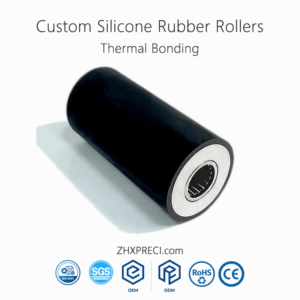
Black PU Rubber Coated Wheel Roller Industrial Grade for Automation Machinery Conveyor Transport and Factory Use
Read more -
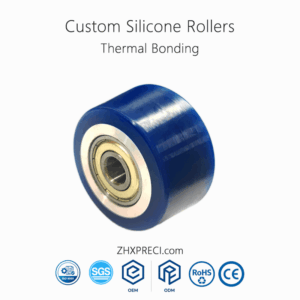
Blue Customized Silicone Rubber Coated Roller & High Quality Drive Guide Roller
Read more -
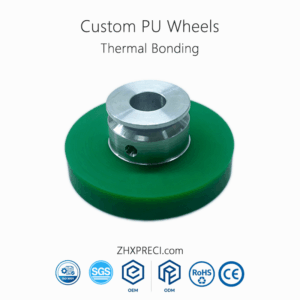
Custom Abrasion Resistant Rubber Wheels with Coating for Mining Equipment
Read more -
Custom Air Cooled Rubber Rollers with Internal Channels
Read more -
Custom Alkali Proof Rubber Wheels with Coating for Industrial Washers
Read more -
Custom Anti Vibration Rubber Wheels with Coating for Precision Instruments
Read more -
Custom Antistatic Rubber Wheels with Coating for Cleanroom Carts
Read more -
Custom API Grade Rubber Rollers for Drill Pipe Wiper
Read more -
Custom ATEX Compliant Rubber Rollers for Grain Handling
Read more -
Custom ATEX Compliant Silicone Wheels Hazardous Area
Read more -
Custom Bracket Mount Silicone Wheels Easy Installation
Read more -
Custom Cantilever Mount Rubber Rollers for Narrow Spaces
Read more -
Custom Chemical Resistant Rubber Wheels with Coating for Laboratory Carts
Read more -
Custom Compact Size Silicone Wheels Space Saving
Read more -
Custom Constant Tension Rubber Rollers for Slitting Lines
Read more -
Custom Double Ended Rubber Rollers for Multi-Position Shafts
Read more
What Are Custom Chemical Resistant Rubber Coated Wheels?
Custom chemical resistant rubber coated wheels are industrial-grade mobility components engineered for environments where exposure to acids, alkalis, solvents, cleaning agents, moisture, and other corrosive substances is a routine part of operations. These wheels feature a rubber-based elastomer coating—typically vulcanized or chemically bonded onto a core material such as steel, stainless steel, polypropylene, or polyamide—that provides a protective barrier between the wheel structure and the surrounding chemical environment.
Unlike standard rubber wheels, chemical resistant variants are formulated with specific polymer compounds—including Neoprene (CR), Nitrile (NBR), EPDM, and specialty thermoplastic rubber (TPR)—each offering distinct resistance profiles against different classes of chemicals. The coating thickness, hardness durometer (typically measured in Shore A), and bonding method are all variables that can be adjusted to meet specific application requirements.
Custom Chemical Resistant Rubber Coated Wheels from ZHXPRECI | China OEM/ODM Factory Manufacturer Supplier Custom Elastomer Wheels & Rollers are engineered with these principles in mind, offering B2B buyers a range of formulation options to match their specific chemical exposure profiles and operational demands.
Key Characteristics of Chemical Resistant Rubber Coated Wheels
Chemical Resistance Profiles
The chemical resistance of a rubber coated wheel depends primarily on the elastomer compound used. Industry data indicates that natural rubber compounds generally perform well against water and mild acids but show limited resistance to oils, greases, and hydrocarbons. EPDM rubber offers superior resistance to a wide range of aggressive substances, including many acids and alkalis, though it is not recommended for applications involving petroleum-based oils. Nitrile (NBR) compounds are frequently specified for environments where oil and grease exposure is anticipated. Thermoplastic rubber (TPR) wheels, with hardness ratings typically around 75–85 Shore A, provide a balance of chemical resistance and floor protection.
It should be noted that chemical resistance is not an absolute property—resistance levels vary with chemical concentration, temperature, duration of exposure, and whether contact is intermittent or continuous. For applications involving organic solvents, chlorinated hydrocarbons, or mineral oils, many standard rubber compounds are not recommended.
Hardness and Durometer
Rubber coated wheels are typically specified by Shore A hardness, with common ranges falling between 70 and 85 Shore A. Softer compounds (70–75 Shore A) provide greater shock absorption, quieter operation, and better floor protection, though they may exhibit higher rolling resistance. Harder compounds (80–85 Shore A) offer improved load-bearing capacity and abrasion resistance but transmit more vibration. The selection of hardness should be based on the specific trade-offs between floor protection, noise reduction, load requirements, and rolling efficiency for each application.
Load Capacity and Structural Integrity
Load capacity varies significantly with wheel diameter, tread width, core material, and bearing type. Industrial rubber castors and wheels are available with load-bearing capacities ranging from approximately 1,400 N to 5,000 N per wheel, depending on configuration. Thermoplastic rubber wheels in larger diameters (up to 12 inches / approximately 305 mm) can support loads up to 950 pounds (approximately 430 kg) per wheel. The core material—whether steel, stainless steel, polypropylene, or polyamide—contributes significantly to the structural integrity and overall load rating of the wheel.
Temperature Range and Environmental Suitability
Operating temperature is a critical consideration in chemical environments. Many rubber compounds have recommended operating ranges between approximately -20°F (-29°C) and 180°F (82°C). However, specialty compounds may offer extended temperature capabilities. For applications involving elevated temperatures or extreme cold, it is advisable to consult technical specifications for the specific compound under consideration.
Wheels designed for humid environments or those with exposure to medium-aggressive chemical agents are frequently equipped with stainless steel brackets to prevent corrosion of the mounting hardware. This combination of corrosion-resistant brackets and chemically compatible rubber treads provides a comprehensive solution for demanding industrial environments.
What Rubber Compounds Are Available for Chemical Resistant Wheels?
The selection of rubber compound is arguably the most critical decision in specifying chemical resistant wheels. Each compound family offers distinct advantages and limitations:
- Natural Rubber (NR): Provides good resistance to water, mild acids, and moderate wet or dry chemicals. Limited resistance to oils, greases, ozone, and strong acids.
- Neoprene (CR): Offers balanced resistance to oils, chemicals, ozone, and weathering. Suitable for applications with moderate chemical exposure and temperature fluctuations.
- Nitrile (NBR): Exhibits excellent resistance to oils, greases, and petroleum-based fluids. Commonly specified for factory environments with frequent oil exposure.
- EPDM: Provides superior resistance to a wide range of aggressive substances including many acids and alkalis. Not recommended for petroleum-based oils or hydrocarbon solvents.
- Thermoplastic Rubber (TPR): Offers a combination of chemical resistance, non-marking properties, and floor protection. Suitable for institutional, food service, and clean environments.
Custom Chemical Resistant Rubber Coated Wheels from ZHXPRECI | China OEM/ODM Factory Manufacturer Supplier Custom Elastomer Wheels & Rollers can be formulated with any of these compound families, allowing procurement professionals to match the wheel chemistry precisely to their operational chemical exposure profile.
What Are the Primary Applications for Chemical Resistant Rubber Coated Wheels?
Chemical resistant rubber coated wheels find application across a broad spectrum of industries and use cases:
- Chemical Processing and Manufacturing: Material handling equipment in plants where acids, alkalis, and solvents are present.
- Food and Beverage Processing: Equipment that requires regular cleaning with sanitizing agents and exposure to moisture.
- Pharmaceutical Manufacturing: Clean room environments with specific chemical exposure requirements.
- Automotive and Aerospace: Assembly lines and maintenance equipment exposed to oils, coolants, and cleaning fluids.
- Printing and Converting: Equipment exposed to inks, solvents, and cleaning agents.
- Warehousing and Logistics: Facilities where floor cleaning chemicals and moisture are present.
- Paper and Pulp Mills: Environments with high humidity and chemical exposure.
In each of these applications, the specific chemical resistance requirements differ, underscoring the importance of proper compound selection based on the actual chemical exposure profile.
How to Select the Right Chemical Resistant Rubber Coated Wheel
The selection process for chemical resistant rubber coated wheels involves several key considerations:
1. Identify the Chemical Exposure Profile
The first step is to identify the specific chemicals the wheel will encounter. This includes not only the primary chemicals used in the process but also cleaning agents, byproducts, and any incidental exposures. Different rubber compounds exhibit different resistance profiles; matching the compound to the chemical exposure is essential for service life.
2. Assess Operating Temperature Range
Both the ambient temperature and the temperature of any chemicals the wheel contacts must be considered. Elevated temperatures can accelerate chemical attack on elastomers and may require specialty compounds or reduced load ratings.
3. Determine Load Requirements
Calculate the total load per wheel based on equipment weight and the number of wheels supporting the load. Allow for dynamic loads, impacts, and uneven floor conditions. Larger diameters generally support heavier loads and roll more easily over obstacles.
4. Evaluate Floor Conditions and Protection Requirements
Consider the type of flooring—whether smooth, rough, or uneven—and whether floor marking or damage is a concern. Non-marking rubber compounds are available for applications where floor protection is critical.
5. Consider Rolling Resistance and Maneuverability
Softer rubber compounds generally offer better shock absorption and quieter operation but may exhibit higher rolling resistance. For manual handling applications, lower rolling resistance reduces operator fatigue. For mechanically towed applications, consult technical specifications for appropriate capacity ratings.
6. Specify Core Material and Mounting Configuration
The wheel core—available in steel, stainless steel, polypropylene, polyamide, or other materials—must be compatible with the chemical environment and provide adequate structural support. Stainless steel brackets are frequently specified for corrosive environments. Mounting configurations include plate fixed, plate swivel, screw-in, and various bearing options.
What Is the Difference Between Rubber and Polyurethane Coated Wheels?
Both rubber and polyurethane (PU) are elastomeric materials used for wheel coatings, but they offer different performance characteristics. Polyurethane generally provides higher abrasion and wear resistance compared to rubber, along with good chemical resistance. However, polyurethane wheels tend to be more expensive. Rubber wheels typically offer superior shock absorption and noise reduction. The choice between rubber and polyurethane depends on the specific application requirements—rubber is often preferred where noise reduction and floor protection are priorities, while polyurethane may be selected for high-wear applications.
What Standards Apply to Chemical Resistant Rubber Coated Wheels?
Several international standards provide frameworks for evaluating and specifying rubber materials and wheels. ISO 7620 describes a classification system for reporting and tabulating the chemical resistance of rubber materials. ISO 1817 specifies methods for evaluating the resistance of vulcanized and thermoplastic rubbers to liquids. For abrasion resistance, ISO 28080 and related standards provide test methodologies. Additionally, compliance with REACH and other regional regulations may be required for certain applications.
When specifying chemical resistant wheels, it is advisable to reference relevant standards and request test data from the manufacturer to verify performance claims.
Frequently Asked Questions About Chemical Resistant Rubber Coated Wheels
Q: What makes a rubber wheel "chemical resistant"?
A: Chemical resistance in rubber wheels is achieved through the selection of specific elastomer compounds—such as Neoprene, Nitrile, EPDM, or TPR—that are formulated to resist degradation when exposed to particular classes of chemicals. The resistance is not universal; different compounds resist different chemicals, and the degree of resistance depends on factors including chemical concentration, temperature, and duration of exposure.
Q: Can chemical resistant rubber wheels be used outdoors?
A: Many rubber wheels are suitable for outdoor use, though this depends on the specific compound. Factors to consider include UV exposure, temperature extremes, and the presence of outdoor chemicals such as road salts or de-icing agents. Wheels with stainless steel brackets may be preferred for outdoor applications where corrosion is a concern.
Q: How long do chemical resistant rubber coated wheels last?
A: Service life varies significantly based on operating conditions—including the specific chemicals encountered, load levels, frequency of use, floor conditions, and maintenance practices. Under typical industrial conditions with appropriate compound selection, these wheels can provide extended service, but predicting a specific service life without detailed application data is not feasible.
Q: Are chemical resistant rubber wheels non-marking?
A: Many rubber compounds, particularly gray or white formulations, are designed to be non-marking. However, not all rubber wheels are non-marking. Buyers should specify non-marking requirements when ordering if floor marking is a concern.
Q: What is the typical hardness range for chemical resistant rubber wheels?
A: Hardness typically ranges from 70 to 85 Shore A, with 75–85 Shore A being common for industrial applications. Softer compounds provide better shock absorption and floor protection; harder compounds offer improved load capacity and abrasion resistance.
Q: Can chemical resistant rubber wheels be customized for specific applications?
A: Yes. Customization options include compound selection, hardness, diameter, tread width, core material, bracket type, bearing type, and coating thickness. Custom Chemical Resistant Rubber Coated Wheels from ZHXPRECI | China OEM/ODM Factory Manufacturer Supplier Custom Elastomer Wheels & Rollers are available with extensive customization options to match specific application requirements.
Q: Are chemical resistant rubber wheels suitable for use with strong acids or bases?
A: This depends on the specific compound. Some rubber formulations are suitable for weak acids and bases, but strong acids and bases may cause degradation. EPDM compounds generally offer better resistance to acids than natural rubber. Buyers should verify chemical compatibility for their specific chemicals with the manufacturer.
Q: What is the difference between vulcanized rubber coating and other bonding methods?
A: Vulcanization is a chemical process that cross-links rubber molecules, improving the material's strength, elasticity, and resistance to heat and chemicals. Vulcanized rubber coatings are chemically bonded to the wheel core, providing a durable, integral structure. Other bonding methods may include mechanical bonding or adhesive bonding, each with different performance characteristics.
Technical Considerations for Procurement
For procurement professionals and engineers evaluating chemical resistant rubber coated wheels, the following technical parameters should be specified:
- Elastomer compound: Specify the base rubber material (NR, CR, NBR, EPDM, TPR, or other) based on the chemical exposure profile.
- Hardness (Shore A): Specify the durometer range appropriate for the load and floor conditions.
- Diameter and tread width: Determine based on load requirements, obstacle clearance, and available space.
- Core material: Steel, stainless steel, polypropylene, or polyamide, selected for structural and corrosion resistance requirements.
- Bracket type and material: Fixed or swivel, with appropriate material for the environment.
- Bearing type: Roller bearings, ball bearings, or plain bore, selected based on load and rolling resistance requirements.
- Coating thickness: Typically specified in millimeters, with common ranges from 10 mm to 30 mm depending on application.
About the Manufacturer
Custom Chemical Resistant Rubber Coated Wheels from ZHXPRECI | China OEM/ODM Factory Manufacturer Supplier Custom Elastomer Wheels & Rollers represents a sourcing option for B2B buyers seeking engineered mobility solutions. With capabilities in precision manufacturing and ODM services, the manufacturer offers customization across compound selection, dimensional specifications, and mounting configurations. Products can be engineered to comply with relevant standards including REACH where applicable.
Lead Time and Ordering Information
Production schedules for custom chemical resistant rubber coated wheels are subject to order quantity, current production schedule, and final specification confirmation. Buyers are encouraged to consult with the manufacturer regarding specific delivery timeframes based on their particular requirements, as lead times vary with order volume, compound availability, and customization complexity.
For technical consultations, compound recommendations, or to discuss specific application requirements, procurement professionals and engineers are invited to contact the manufacturer directly with their detailed specifications.