
Custom Non-Marking Rubber Coated Wheels
Custom Non-Marking Rubber Coated Wheels
Custom non-marking rubber coated wheels for industrial use with floor protection.
- 30‑500kg load
- 60‑95A Shore
- 60‑300mm dia
- -30‑+80°C temp
- ISO/REACH cert
Showing 1–16 of 43 results
-
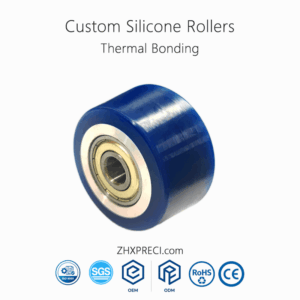
Blue Customized Silicone Rubber Coated Roller & High Quality Drive Guide Roller
Read more -
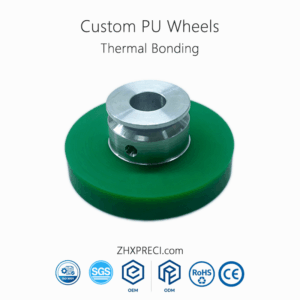
Custom Abrasion Resistant Rubber Wheels with Coating for Mining Equipment
Read more -
Custom Alkali Proof Rubber Wheels with Coating for Industrial Washers
Read more -
Custom Anti Vibration Rubber Wheels with Coating for Precision Instruments
Read more -
Custom Antistatic Rubber Wheels with Coating for Cleanroom Carts
Read more -
Custom ATEX Compliant Silicone Wheels Hazardous Area
Read more -
Custom Bracket Mount Silicone Wheels Easy Installation
Read more -
Custom Chemical Resistant Rubber Wheels with Coating for Laboratory Carts
Read more -
Custom Compact Size Silicone Wheels Space Saving
Read more -
Custom Corrosion Proof Rubber Wheels with Coating for Chemical Plants
Read more -
Custom Durable Rubber Wheels with Coating for Warehouse Operations
Read more -
Custom Easy Rolling Rubber Wheels with Coating for Shopping Carts
Read more -
Custom Extra Heavy Rubber Wheels with Coating for Crane Runways
Read more -
Custom Heat Resistant Rubber Wheels with Coating for Oven Conveyors
Read more -
Custom High Elasticity Rubber Wheels with Coating for Suspension Systems
Read more -
Custom High Traction Rubber Wheels with Coating for Tow Tractors
Read more
Understanding Custom Non-Marking Rubber Coated Wheels
Custom non-marking rubber coated wheels represent a specialized category of industrial mobility solutions designed to provide floor protection, load support, and maneuverability across sensitive environments. Unlike standard rubber wheels that may leave black scuffs or marks on flooring surfaces, non-marking variants utilize carefully formulated compounds that transfer minimal or no color residue, making them particularly suitable for warehouses, hospitals, food processing facilities, cleanrooms, and retail spaces where floor appearance and hygiene are critical. These wheels typically consist of a rigid core—often fabricated from steel, aluminum, or engineered polymers—bonded with a durable rubber outer layer through precision molding or vulcanization processes. The thickness of the rubber coating, its durometer hardness, and the specific elastomer formulation can all be tailored according to application requirements, allowing end-users to optimize for load capacity, rolling resistance, floor protection, and environmental conditions such as temperature extremes or chemical exposure.
Custom Non-Marking Rubber Coated Wheels from ZHXPRECI | China OEM/ODM Factory Manufacturer Supplier Custom Elastomer Wheels & Rollers exemplify how tailored engineering can bridge the gap between standard catalog products and demanding operational scenarios. By adjusting rubber compounds, core materials, bearing types, and overall dimensions, manufacturers can produce wheels that meet specific weight tolerances, speed requirements, and surface interaction profiles. This level of customization is particularly valuable for industries such as material handling, automated guided vehicles, medical equipment, aerospace ground support, and specialty packaging lines, where off-the-shelf options may compromise efficiency, safety, or product integrity.
Key Characteristics of Non-Marking Rubber Coated Wheels
The defining attribute of non-marking rubber coated wheels lies in their ability to eliminate or significantly reduce floor marking. This property is achieved through the selection of specific rubber polymers—often natural rubber, synthetic polyisoprene, or specially compounded nitrile and urethane blends—that contain low levels of carbon black or other pigmented fillers. Instead, non-marking formulations rely on light-colored reinforcing agents such as silica, calcium carbonate, or clay, which preserve mechanical strength without introducing staining pigments. Consequently, these wheels produce marks that are either invisible or easily removable under normal cleaning protocols.
Beyond non-marking performance, the rubber coating serves as a cushioning layer that absorbs shock, dampens vibration, and reduces rolling noise compared to rigid casters or metal wheels. This cushioning effect extends the service life of both the wheel and the flooring surface, while also improving operator comfort and load stability during transport. The coefficient of friction can be engineered to balance between adequate traction for starting, stopping, and cornering, and minimal rolling resistance for energy efficiency. Typical hardness values range between 60 and 95 Shore A, with softer compounds providing superior floor protection but higher rolling resistance, and harder compounds offering greater load capacity and abrasion resistance. Selection depends on floor type, load weight, travel distance, and environmental temperature, which can affect rubber elasticity and wear characteristics.
Common Applications and Industry Use Cases
Non-marking rubber coated wheels find extensive use across a broad spectrum of industries where floor hygiene, safety, and appearance are paramount. In the food and beverage sector, these wheels are employed on processing carts, racking systems, and conveyor components, where contamination from wheel debris must be minimized. Hospitals and healthcare facilities rely on non-marking casters for medical equipment stands, bed movers, and supply trolleys, ensuring that corridor and ward floors remain free from unsightly marks that could harbor bacteria or create slip hazards. Retail environments, including supermarkets and department stores, utilize non-marking wheels on display racks, shopping carts, and shelving units to maintain polished flooring surfaces without frequent costly refinishing.
Material handling and logistics operations benefit from non-marking rubber coated wheels on pallet jacks, platform trucks, and automated guided vehicles, where floor marking can interfere with optical guidance systems or create aesthetic issues in customer-facing areas. Manufacturing facilities that process sensitive components—such as electronics assembly, pharmaceuticals, or optics—choose non-marking wheels to prevent particulate generation and floor damage that could compromise cleanroom classifications. Outdoor applications, including airport baggage handling, stadium equipment, and construction site support vehicles, may also specify non-marking rubber coatings to avoid marking tarmac or concrete surfaces, although such applications require compounds with enhanced UV and weather resistance.
How to Choose the Right Custom Non-Marking Rubber Coated Wheel
Selecting an appropriate non-marking rubber coated wheel for a specific application involves evaluating several technical parameters in conjunction with operational requirements. The first consideration is load capacity, which dictates the minimum wheel diameter, tread width, and core strength necessary to support the intended weight without excessive deflection or premature failure. Manufacturers typically provide load ratings at specified speeds and operating temperatures, but these figures serve as guidelines rather than fixed guarantees, as actual performance depends on floor conditions, duty cycles, and environmental factors.
Floor type and condition significantly influence wheel performance. Smooth concrete, epoxy-coated surfaces, tile, and polished stone each exhibit different friction characteristics and susceptibility to marking. Softer rubber compounds generally offer superior non-marking performance on delicate floors but may wear more quickly on rough or abrasive surfaces. Conversely, harder compounds extend service life on aggressive flooring but may transmit more vibration and produce marginally higher noise levels. The operating temperature range is another crucial factor; standard rubber compounds typically perform between -20°C and +70°C, while specialty formulations can extend this range to -40°C or +120°C for extreme environments.
Rolling resistance and ergonomics play a vital role in applications involving manual pushing or pulling. Wheels with lower rolling resistance reduce operator fatigue and improve productivity, particularly on long transport routes or with heavy loads. Bearing selection—ranging from plain bore, roller bearings, to precision ball bearings—affects both rolling efficiency and maintenance intervals. Environments exposed to moisture, chemicals, or washdown procedures require wheels with corrosion-resistant cores and rubber compounds that resist swelling, degradation, or loss of adhesion. Consultation with engineering representatives can assist in matching these variables to specific operational needs, ensuring that the selected configuration balances performance, durability, and total cost of ownership.
Customization Options and Engineering Considerations
Customization of non-marking rubber coated wheels extends beyond compound selection to encompass dimensional specifications, core materials, mounting configurations, and surface finishes. Diameters commonly range from 50 mm to 400 mm, with tread widths varying between 20 mm and 100 mm depending on load and stability requirements. The rubber coating thickness typically falls between 6 mm and 25 mm, with thicker coatings offering greater shock absorption but potentially higher rolling resistance. Custom profiles, such as V-groove, U-groove, or flanged designs, can be incorporated to guide wheels along tracks or rails in automated systems.
Core materials are chosen based on mechanical strength, weight, corrosion resistance, and cost considerations. Steel cores provide high load capacity and durability, while aluminum cores offer weight savings for manual handling applications. Nylon or polyurethane cores are suitable for lighter loads and chemical-resistant environments but may require reinforcing for heavy-duty use. The bonding between rubber and core is critical; advanced adhesive systems or mechanical interlocking designs ensure that the coating remains securely attached under shear stress and temperature fluctuations. Quality control measures, including hardness testing, tensile strength measurement, and adhesion verification, are typically performed to confirm that finished wheels meet specified criteria.
What is the Difference Between Non-Marking and Standard Rubber Wheels
The primary distinction between non-marking and standard rubber wheels lies in the compounding formulation, specifically the type and quantity of filler materials used. Standard industrial rubber wheels often incorporate high levels of carbon black as a reinforcing agent, which imparts excellent abrasion resistance and tensile strength but leaves dark marks upon contact with floors—particularly under load or during turning maneuvers. Non-marking compounds replace carbon black with light-colored alternatives such as precipitated silica, clay, or titanium dioxide, which maintain or enhance mechanical properties while eliminating pigmentation transfer.
This substitution, however, may slightly affect certain performance attributes. Non-marking rubber compounds can exhibit marginally lower tear strength or increased rolling resistance compared to carbon-black-filled equivalents, depending on the specific formulation. Manufacturers compensate by adjusting polymer types, crosslinking density, and additive packages to optimize the balance between non-marking performance and operational durability. It is also worth noting that not all non-marking compounds are identical; some provide excellent floor protection but limited oil or chemical resistance, while others are formulated to withstand harsh cleaning agents and greases. Therefore, verifying chemical compatibility with the intended environment is an essential step in the selection process.
How to Maintain and Extend the Service Life of Non-Marking Rubber Coated Wheels
Proper maintenance practices contribute significantly to the longevity and consistent performance of non-marking rubber coated wheels. Regular inspection for signs of wear, such as tread flattening, cracking, chunking, or uneven surface degradation, enables timely replacement before failure occurs. Cleaning wheels periodically to remove debris, swarf, or spilled materials prevents abrasive particles from embedding in the rubber surface, which could accelerate wear or create localized marking risks. Mild detergent solutions and soft brushes are generally sufficient for routine cleaning, although aggressive solvents or steam cleaning may damage certain rubber compounds and should be avoided unless specifically approved by the manufacturer.
Lubrication of bearings and axles according to recommended schedules reduces friction, prevents seizing, and ensures smooth rolling motion. Overloading wheels beyond their rated capacity is a common cause of premature failure, as excessive deflection can lead to rubber delamination, core deformation, or bearing damage. Distributing loads evenly across multiple wheels and using appropriate wheel diameters for the application helps maintain structural integrity. Floor conditions also affect wheel life; rough or uneven surfaces accelerate tread wear, while exposure to oils, solvents, or strong acids may degrade rubber properties. Implementing floor maintenance programs to repair cracks or spalling and promptly cleaning up chemical spills can prolong both floor and wheel life.
What Materials Are Used in Non-Marking Rubber Coated Wheels
The rubber coating on non-marking wheels is typically manufactured from one or a combination of elastomers selected to meet specific performance requirements. Natural rubber offers excellent resilience, high tensile strength, and good abrasion resistance, making it suitable for general-purpose applications where floor protection and shock absorption are priorities. Synthetic rubbers such as styrene-butadiene rubber, nitrile butadiene rubber, and ethylene propylene diene monomer rubber provide enhanced resistance to oils, greases, chemicals, and temperature extremes, expanding the application envelope to include industrial and outdoor environments.
Thermoplastic elastomers and polyurethane are increasingly utilized for specialized applications requiring exceptional wear resistance, low rolling resistance, or superior non-marking characteristics. These materials can be injection-molded or cast onto cores, offering design flexibility and consistent property control. The selection of a specific material depends on the operating environment, load conditions, and desired service life. For instance, nitrile rubber is preferred in machining environments where cutting fluids are present, while EPDM performs well in outdoor applications exposed to ozone and UV radiation. Each material exhibits unique hardness ranges, compression set characteristics, and dynamic properties that influence wheel performance over time.
What Hardness Range is Typical for Non-Marking Rubber Coated Wheels
Non-marking rubber coated wheels are available across a broad hardness spectrum to accommodate different load, floor, and environmental conditions. Hardness is commonly measured using the Shore A durometer scale, with values typically spanning from 60 to 95 Shore A for most industrial applications. Softer compounds in the 60-70 Shore A range provide maximum floor protection, excellent shock absorption, and quiet operation, making them ideal for delicate surfaces such as polished concrete, epoxy, tile, and wood. However, these softer materials exhibit higher rolling resistance and lower load capacity per unit diameter, which may limit their use in heavy-load or long-distance applications.
Medium-hardness compounds in the 75-85 Shore A range represent a balanced compromise between floor protection, load capacity, and rolling efficiency. These wheels are widely used in general manufacturing, warehousing, and healthcare environments where moderate loads and varied floor conditions prevail. Harder compounds above 85 Shore A offer superior load-bearing capability, reduced rolling resistance, and enhanced abrasion resistance, suitable for heavy-duty industrial carts, towing applications, and high-speed conveyor systems. The trade-off includes reduced cushioning, increased noise transmission, and slightly higher risk of marking on extremely sensitive surfaces. Engineers often select hardness based on a combination of static load calculations, dynamic forces during acceleration and braking, and floor condition assessments to achieve optimal performance.
How Does Temperature Affect Non-Marking Rubber Coated Wheels
Temperature exerts a significant influence on the mechanical properties and service life of non-marking rubber coated wheels. As temperature decreases, rubber compounds become stiffer and more brittle, reducing their ability to absorb shock and conform to floor irregularities. At extreme low temperatures, below -20°C for standard compounds, the risk of cracking or fracture increases, particularly under impact loads or sharp turns. Conversely, elevated temperatures soften rubber, decreasing load capacity and accelerating wear due to reduced abrasion resistance. Temperatures above +70°C may cause accelerated aging, oxidation, or even thermal degradation of certain elastomers, leading to surface tackiness, dimensional changes, or loss of adhesion between the rubber coating and core.
Specialty compounds formulated with heat-stabilized polymers, antioxidants, and thermal fillers can extend the usable temperature range to -40°C for cold storage applications or +120°C for foundry or hot-materials handling. These formulations require careful selection of base elastomers and curing systems to maintain mechanical integrity across the intended thermal envelope. When specifying wheels for temperature-variable environments, it is advisable to consult with engineers to verify that the proposed compound can withstand both the average operating temperature and any transient spikes or dips that may occur during normal operations. Testing under representative conditions is often recommended to validate performance predictions.
What Load Capacities Can Custom Non-Marking Rubber Coated Wheels Support
Load capacity for non-marking rubber coated wheels varies widely based on wheel diameter, tread width, rubber hardness, core strength, and bearing type. Small-diameter wheels in the 50-100 mm range typically support loads from 50 kg to 200 kg per wheel, suitable for light-duty carts, medical equipment, and display stands. Medium-diameter wheels from 125 mm to 200 mm can accommodate loads between 200 kg and 600 kg per wheel, commonly found in warehouse trucks, platform trolleys, and industrial machinery. Large wheels exceeding 250 mm diameter, with appropriate tread width and core reinforcement, may support 800 kg to over 1,500 kg per wheel, designed for heavy-duty transport vehicles, aerospace ground support, and steel coil handling.
It is important to note that load ratings assume even weight distribution across all wheels and typical operating speeds, generally below 4 km/h for manual applications and up to 10 km/h for powered equipment. Dynamic loads during acceleration, braking, or uneven terrain may impose forces several times greater than static weights, necessitating derating or safety factors in the selection process. The rubber compound's hardness and thickness also influence the effective load-bearing area; softer compounds deform more under load, increasing contact area and reducing ground pressure, which can be advantageous for floor protection but may limit maximum load. Manufacturers typically provide load tables based on standardized testing, but actual application conditions should be evaluated to determine appropriate capacities.
Can Non-Marking Rubber Coated Wheels Be Used Outdoors
Non-marking rubber coated wheels can be employed outdoors, provided that the rubber compound is formulated to withstand environmental factors such as ultraviolet radiation, ozone, moisture, and temperature fluctuations. Standard compounds containing natural rubber or general-purpose synthetics may degrade when exposed to prolonged sunlight, developing surface cracks or loss of elasticity due to UV-induced crosslinking or chain scission. Ozone, present in the atmosphere at varying concentrations, can also attack unsaturated polymers, leading to characteristic surface cracking that compromises both appearance and structural integrity.
For outdoor applications, manufacturers recommend compounds with enhanced UV stabilizers, antioxidants, and ozone-resistant polymers such as EPDM, chloroprene, or certain polyurethane grades. These materials exhibit extended service life under direct sunlight and fluctuating weather conditions while maintaining non-marking characteristics. Additionally, outdoor wheels should incorporate corrosion-resistant core materials—stainless steel, zinc-plated steel, or aluminum—to prevent rusting that could weaken the core or impair bearing function. Drainage features, such as open tread patterns or grooves, may be beneficial to prevent hydroplaning or water entrapment in wet conditions. When specifying non-marking wheels for outdoor use, it is prudent to discuss exposure conditions with engineers to ensure that compound and construction choices align with expected service life.
What Bearing Options Are Available for Non-Marking Rubber Coated Wheels
Bearing selection plays a pivotal role in the rolling performance, operational smoothness, and maintenance requirements of non-marking rubber coated wheels. The most common bearing types include plain bore (sleeve) bearings, roller bearings, and precision ball bearings, each offering distinct characteristics suited to different applications. Plain bore bearings, typically fabricated from bronze, oil-impregnated sintered metal, or engineering plastics, provide simple, cost-effective solutions for light-to-moderate loads and intermittent operation. These bearings require periodic lubrication and may exhibit higher starting torque compared to rolling-element designs.
Roller bearings, including tapered and cylindrical roller types, offer enhanced load capacity and durability for heavy-duty applications, with reduced friction and longer service intervals. Precision ball bearings, available in single-row, double-row, or sealed configurations, deliver the lowest rolling resistance and smoothest operation, making them ideal for high-speed or long-distance transport applications. Sealed bearings with labyrinth or contact seals provide protection against dust, moisture, and contamination, extending service life in harsh environments. The choice of bearing also affects the overall wheel height, swivel resistance, and cost, requiring a balanced assessment of performance needs and budget constraints.
What Are the Advantages of Choosing Custom Elastomer Wheels and Rollers
Opting for custom elastomer wheels and rollers offers several distinct advantages over standard off-the-shelf products, particularly for applications with unique performance demands or operational constraints. Customization enables precise matching of wheel properties—hardness, diameter, tread profile, coating thickness, and material composition—to specific loads, floor types, environmental conditions, and speed requirements. This tailored approach often results in improved efficiency, reduced maintenance costs, longer service life, and enhanced operator safety, as the wheel is designed to function optimally within its intended operating envelope.
Furthermore, custom solutions allow for integration with existing equipment without compromising design intent or requiring costly modifications. Mounting configurations, axle dimensions, and hub designs can be adapted to fit specific equipment interfaces, ensuring seamless replacement or upgrade. For OEMs and system integrators, custom elastomer wheels can become a differentiating feature that improves overall system performance and reliability. By working closely with engineers during the design phase, customers can optimize compound selection, core construction, and testing protocols to achieve a product that consistently meets or exceeds expectations, without relying on overgeneralized catalog data.
How Does the Manufacturing Process Ensure Quality and Consistency
The manufacturing process for non-marking rubber coated wheels typically involves compounding, molding or extrusion, vulcanization, core preparation, bonding, and final finishing operations. Quality assurance is embedded at each stage through raw material testing, in-process inspections, and finished product verification. Raw rubber compounds are tested for hardness, tensile strength, elongation, and specific gravity to confirm conformity with the approved formulation. Mixing processes are monitored for temperature control and dispersion uniformity to avoid variations in compound properties that could affect wheel performance.
Molding or extrusion operations produce the rubber coating with precise dimensions and surface finish, while vulcanization cures the rubber to achieve target mechanical properties and crosslink density. Bonding processes ensure secure adhesion between the rubber layer and the core, using proprietary adhesive systems and surface preparation techniques to maximize bond strength. Final inspection includes dimensional verification, hardness testing, dynamic load testing, and visual examination for defects such as bubbles, voids, or surface imperfections. Statistical process control and documentation practices track each production batch, enabling traceability and continuous improvement initiatives. This systematic approach to manufacturing ensures that finished wheels meet specified requirements and perform consistently under diverse operating conditions.
What Is the Typical Lead Time for Custom Non-Marking Rubber Coated Wheels
Lead times for custom non-marking rubber coated wheels are subject to order quantity, current production schedule, and final specification confirmation. Customization elements such as compound development, tooling fabrication, and material sourcing may influence the overall timeline, while standard modifications on existing tooling typically proceed more quickly. Customers are encouraged to engage with the engineering team early in the procurement process to define requirements clearly and establish realistic expectations for delivery. Transparent communication regarding urgency, volume, and technical details allows for efficient production planning and prioritization. It is advisable to incorporate scheduling flexibility when planning projects that depend on custom wheel deliveries.
Frequently Asked Questions About Non-Marking Rubber Coated Wheels
What are non-marking rubber coated wheels?
Non-marking rubber coated wheels are industrial caster and wheel components designed with specialized rubber compounds that minimize or eliminate color transfer onto flooring surfaces. They are used in environments where floor appearance, hygiene, and protection are important, such as hospitals, food processing facilities, warehouses, and retail stores.
How do non-marking rubber coated wheels differ from standard rubber wheels?
The primary difference is the formulation of the rubber compound. Non-marking wheels use light-colored reinforcing fillers such as silica instead of carbon black, which is common in standard wheels and leaves dark marks on floors. This substitution reduces marking while maintaining mechanical performance.
What hardness levels are available for non-marking rubber coated wheels?
Hardness typically ranges from 60 to 95 Shore A. Softer compounds (60-70 Shore A) provide excellent floor protection and shock absorption, while harder compounds (85-95 Shore A) offer higher load capacity and lower rolling resistance. Medium compounds (75-85 Shore A) balance these properties for general use.
Can non-marking rubber coated wheels support heavy loads?
Yes, depending on wheel diameter, tread width, core design, and compound hardness, load capacities can range from 50 kg to over 1,500 kg per wheel. Larger diameters and harder compounds generally support higher loads, but dynamic conditions and floor surfaces must be considered.
What materials are used for the rubber coating?
Common materials include natural rubber, nitrile butadiene rubber, styrene-butadiene rubber, EPDM, and specialty polyurethane or thermoplastic elastomers. Material selection depends on environmental factors such as temperature, chemical exposure, and outdoor conditions.
Are non-marking rubber coated wheels suitable for outdoor use?
Yes, provided that the rubber compound is formulated with UV stabilizers, antioxidants, and ozone-resistant polymers such as EPDM or chloroprene. Corrosion-resistant cores and appropriate bearing seals are also recommended for outdoor applications.
How can I determine the correct wheel size for my application?
Wheel size selection involves evaluating load capacity, floor surface, travel distance, and equipment constraints. Larger diameters generally provide lower rolling resistance and better obstacle clearance, while smaller diameters may be suitable for lighter loads and limited space. Consulting load tables and engineering data is recommended.
What maintenance practices prolong the life of non-marking rubber coated wheels?
Regular cleaning, inspection for wear, appropriate bearing lubrication, and avoiding overloading are key maintenance practices. Removing debris that could embed in the tread and avoiding exposure to incompatible chemicals also contribute to extended service life.
Can these wheels be customized with specific colors or markings?
Yes, color pigments can be incorporated into the rubber compound to produce wheels in various shades, although this may affect the non-marking performance and must be evaluated carefully. Engraving or labeling on the tread or sidewall may also be feasible for identification or branding purposes.
What is the best bearing type for high-speed applications?
Precision ball bearings, particularly sealed or shielded types, offer the lowest rolling resistance and smoothest operation at higher speeds. Roller bearings may be used for heavy loads, while plain bearings suit intermittent, low-speed applications.
How do temperature changes affect wheel performance?
Lower temperatures increase stiffness and brittleness, while higher temperatures soften rubber and reduce load capacity. Specialty compounds can extend the usable temperature range from -40°C to +120°C, but standard wheels typically operate between -20°C and +70°C.
Are non-marking wheels resistant to oils and chemicals?
Resistance to oils and chemicals depends on the rubber compound. Nitrile rubber offers good oil resistance, while EPDM resists water, steam, and mild acids. For aggressive chemicals, specialized polyurethane or fluorocarbon compounds may be required.
What are typical applications for non-marking rubber coated wheels?
Common applications include medical equipment, food processing carts, warehouse material handling, retail display racks, airport baggage carts, automated guided vehicles, and cleanroom manufacturing equipment.
How is the rubber coating bonded to the wheel core?
Bonding is achieved through a combination of adhesive systems, surface preparation, and mechanical interlocking features. Advanced processes ensure the coating remains securely attached under shear stress and temperature variations.
Can I order samples before placing a full production order?
Many manufacturers offer sample wheels for evaluation purposes. Testing samples under actual operating conditions helps validate performance and confirm that specifications meet requirements before committing to larger quantities.
What documentation is available for non-marking rubber coated wheels?
Documentation typically includes material safety data sheets, technical datasheets with mechanical properties and load ratings, dimensional drawings, and quality certificates. Additional test reports or compliance certifications may be available upon request.
Are custom non-marking rubber coated wheels more expensive than standard wheels?
Custom wheels often carry higher upfront costs due to tooling, engineering, and small-batch production considerations. However, the improved performance, longer service life, and reduced maintenance costs associated with optimized wheel selection can result in lower total cost of ownership over time.
How long do non-marking rubber coated wheels typically last?
Service life varies widely depending on load, speed, floor conditions, maintenance, and environmental factors. Properly specified and maintained wheels may last anywhere from several months to several years. Regular inspection and replacement based on condition rather than fixed intervals is recommended.
Can these wheels be used on inclined or sloped surfaces?
Yes, but load capacity may need to be reduced on inclines due to increased stress on bearings and rubber. Braking systems or wheel locks may be necessary for safety on slopes. Consulting with engineers to assess the specific slope angle and load conditions is advisable.
What is the role of the core material in wheel performance?
The core provides structural support, transfers loads to bearings, and determines mounting compatibility. Steel cores offer high strength, aluminum cores reduce weight, and polymer cores provide corrosion resistance. Core selection affects durability, vibration damping, and overall wheel weight.
How do I know if a wheel is truly non-marking?
True non-marking performance can be verified through floor testing under representative loads and conditions. Manufacturers may also provide test data or references for similar applications. Visual inspection after testing on the actual floor type is the most reliable confirmation.
Can non-marking wheels be used in cleanroom environments?
Yes, specially formulated non-marking wheels with low particle generation are available for cleanroom use. These wheels often feature smooth surfaces, minimal outgassing materials, and advanced sealing to prevent contamination.
What factors influence the rolling resistance of non-marking rubber coated wheels?
Rolling resistance is affected by wheel diameter, tread hardness, tread thickness, floor surface texture, load, and bearing type. Larger diameters, harder compounds, and precision bearings generally reduce rolling resistance, improving efficiency.
Are there standards or certifications for non-marking rubber coated wheels?
Industry standards such as ISO 9001 for quality management, ISO 14001 for environmental management, and specific caster standards like EN 12527 or ANSI/ICWM may apply. Compliance with applicable standards should be confirmed with the manufacturer.
How should non-marking wheels be stored when not in use?
Wheels should be stored in a cool, dry, ventilated area away from direct sunlight, ozone sources, and chemicals. Avoid stacking heavy objects on wheels and rotate stock to prevent flat-spotting or deformation from prolonged pressure.
Can non-marking rubber coated wheels be repaired if damaged?
Minor surface damage may be repairable by refinishing or replacing the rubber coating, but significant structural damage typically requires replacement of the entire wheel. Consulting with the manufacturer regarding repair feasibility and costs is recommended.
What is the difference between a wheel and a caster?
A wheel is the rolling component itself, while a caster includes the wheel, mounting structure, swivel mechanism or rigid bracket, and often a brake. Non-marking rubber coated wheels can be integrated into various caster configurations to provide mobility solutions.
How does tread pattern affect wheel performance?
Flat treads provide maximum floor contact and stability, ideal for smooth surfaces. Grooved or patterned treads offer better traction on uneven or slippery floors but may increase rolling resistance and marking risk. The choice depends on floor conditions and required traction.
Are there any environmental considerations regarding non-marking rubber wheels?
Sustainable options include wheels manufactured with recycled materials or compounds compliant with RoHS or REACH regulations. Biodegradable elastomers and eco-friendly processing methods are emerging, but availability varies by manufacturer.
What is the maximum operating speed for non-marking rubber coated wheels?
Maximum speed depends on wheel design, bearing type, and load. For manual applications, speeds typically remain below 4 km/h, while powered equipment may operate up to 10 km/h or more with appropriate bearing selections and dynamic balancing.
How do I specify a custom non-marking rubber coated wheel?
Specification involves detailing diameter, tread width, hub dimensions, core material, bearing type, hardness, compound requirements, load capacity, temperature range, and any special features. Working with an engineering team ensures that all parameters align with application needs.
Can non-marking wheels be used in high-humidity environments?
Yes, provided the rubber compound and core materials resist moisture-induced degradation. EPDM and polyurethane are generally suitable for humid conditions, while natural rubber may absorb moisture and swell. Sealed bearings protect against moisture ingress.
What are the benefits of using a thicker rubber coating?
Thicker coatings offer enhanced shock absorption, improved floor protection, and quieter operation. However, they may increase rolling resistance and reduce effective load capacity compared to thinner coatings of harder compounds.
How can I verify that a non-marking wheel will not damage my floor?
Testing the wheel under actual load and movement conditions on the target floor surface is the most reliable method. Observing marking, wear, and floor interaction over a representative period helps confirm suitability.
Are there limitations to customizing non-marking rubber coated wheels?
Limitations may include minimum order quantities, tooling costs, production lead times, and technical constraints such as maximum diameter or hardness achievable with specific compounds. These factors should be discussed early in the project.
What should I expect from a reliable custom wheel manufacturer?
A reliable manufacturer provides technical guidance, transparent communication, quality certifications, testing documentation, and responsive customer support. They collaborate on specification development, offer sample testing, and maintain consistency across production batches.
Custom Non-Marking Rubber Coated Wheels from ZHXPRECI | China OEM/ODM Factory Manufacturer Supplier Custom Elastomer Wheels & Rollers represent a comprehensive solution for industrial mobility needs, combining tailored engineering, material science expertise, and rigorous manufacturing standards to deliver wheels that perform dependably across diverse environments and applications.