
Custom Heavy Duty Rubber Coated Wheels
Custom Heavy Duty Rubber Coated Wheels
Robust wheels for heavy loads, floor protection, and quiet operation.
- 150-1,200kg load
- 65-85A hardness
- 60-300mm dia
- -20-+60°C temp
- ISO/REACH cert
Showing 1–16 of 74 results
-
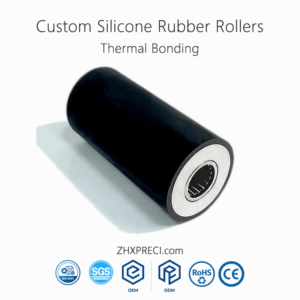
Black PU Rubber Coated Wheel Roller Industrial Grade for Automation Machinery Conveyor Transport and Factory Use
Read more -
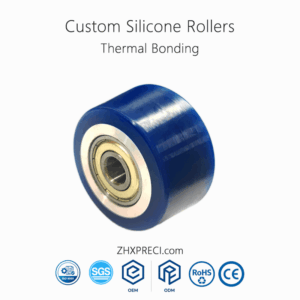
Blue Customized Silicone Rubber Coated Roller & High Quality Drive Guide Roller
Read more -
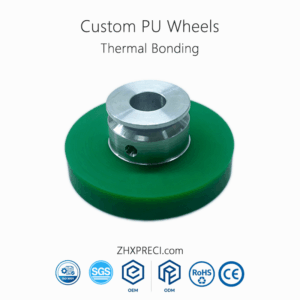
Custom Abrasion Resistant Rubber Wheels with Coating for Mining Equipment
Read more -
Custom Air Cooled Rubber Rollers with Internal Channels
Read more -
Custom Alkali Proof Rubber Wheels with Coating for Industrial Washers
Read more -
Custom Anti Vibration Rubber Wheels with Coating for Precision Instruments
Read more -
Custom Antistatic Rubber Wheels with Coating for Cleanroom Carts
Read more -
Custom API Grade Rubber Rollers for Drill Pipe Wiper
Read more -
Custom ATEX Compliant Rubber Rollers for Grain Handling
Read more -
Custom ATEX Compliant Silicone Wheels Hazardous Area
Read more -
Custom Bracket Mount Silicone Wheels Easy Installation
Read more -
Custom Cantilever Mount Rubber Rollers for Narrow Spaces
Read more -
Custom Chemical Resistant Rubber Wheels with Coating for Laboratory Carts
Read more -
Custom Compact Size Silicone Wheels Space Saving
Read more -
Custom Constant Tension Rubber Rollers for Slitting Lines
Read more -
Custom Corrosion Proof Rubber Wheels with Coating for Chemical Plants
Read more
Understanding Custom Heavy Duty Rubber Coated Wheels: A Technical Overview for Industrial Buyers
Custom heavy duty rubber coated wheels represent a specialized category of industrial mobility components designed for applications where load capacity, floor protection, and operational quietness are simultaneous requirements. These wheels consist of a metal core—typically steel, cast iron, or aluminum—over which a rubber tread is vulcanized or molded to form a durable, resilient rolling surface. The rubber coating provides cushioning, shock absorption, and traction that bare metal or hard plastic wheels cannot offer, making them suitable for demanding material handling environments.
For B2B procurement professionals, engineers, and facility managers evaluating mobility solutions, understanding the technical characteristics, performance boundaries, and selection criteria of heavy duty rubber coated wheels is essential for making informed purchasing decisions. This guide provides a comprehensive, fact-based examination of these components, drawing on industry-standard specifications and real-world application knowledge.
What Are Heavy Duty Rubber Coated Wheels?
Heavy duty rubber coated wheels are rolling components engineered for loads typically exceeding 200 kg per wheel, featuring a rubber tread permanently bonded to a rigid core. The rubber compound—often formulated from natural rubber, synthetic rubber, or thermoplastic rubber (TPR)—is applied through molding or vulcanization processes that create a chemical and mechanical bond between the tread and the core. This construction differs from pneumatic tires in that heavy duty rubber coated wheels are solid, requiring no air pressure maintenance and offering consistent performance across varying load conditions.
These wheels are commonly integrated into casters, carts, platform trucks, industrial machinery, and automated guided vehicles (AGVs). The rubber coating serves multiple functions: it dampens vibration and shock, reduces rolling noise, protects floor surfaces from damage, and provides traction on both smooth and slightly irregular flooring.
Key Technical Parameters and Material Specifications
When evaluating heavy duty rubber coated wheels, several technical parameters require careful consideration. These specifications are based on industry standards and should be verified with individual manufacturers for specific product offerings.
Load Capacity
Load capacity is a primary specification for heavy duty wheels. Industry data indicates that rubber coated wheels are available across a wide capacity range. For context, standard heavy duty rubber caster wheels can support loads from approximately 150 kg to over 1,200 kg per wheel, depending on diameter, tread width, and core construction. Larger diameters and wider treads generally accommodate higher loads. The load capacity of a wheel assembly is typically specified as both static load (the maximum weight the wheel can support when stationary) and dynamic load (the maximum weight during movement), with dynamic ratings often lower than static ratings.
It is important to note that load capacity figures are typically based on specific operating conditions—including floor surface quality, travel speed, and ambient temperature—and may vary in actual service environments. Buyers should consider applying an appropriate safety factor when selecting wheels for their specific applications.
Hardness and Durometer
Rubber tread hardness is measured using the Shore A durometer scale, with typical values for industrial rubber wheels ranging from 65 to 85 Shore A. Softer compounds (65–75 Shore A) offer superior shock absorption and floor protection but may exhibit higher rolling resistance and faster wear under heavy loads. Harder compounds (75–85 Shore A) provide better load-bearing capacity and wear resistance but transmit more vibration.
The selection of tread hardness involves trade-offs that should be evaluated based on the specific operating environment, floor conditions, and performance priorities of each application.
Operating Temperature Range
Standard rubber coated wheels are typically rated for continuous operation between -20°C and +60°C (-4°F to +140°F), with some compounds capable of intermittent exposure to higher temperatures. Extreme temperatures can affect rubber properties—cold temperatures may increase hardness and reduce flexibility, while high temperatures can accelerate wear and potentially compromise the rubber-to-core bond. For applications outside these ranges, specialized compounds may be required.
Core Materials and Bearing Types
The metal core of a heavy duty rubber coated wheel provides structural integrity and determines the wheel's mounting interface. Common core materials include:
- Steel sheet metal: Zinc-plated for corrosion resistance, suitable for general industrial applications
- Cast iron: Offers high strength and durability for extreme heavy-duty applications
- Aluminum: Lightweight with good corrosion resistance, appropriate for moderate loads
Bearing selection significantly influences rolling resistance and operational life. Options include plain bearings (friction bearings), ball bearings, and roller bearings. Roller bearings are generally preferred for heavy loads due to their ability to handle both radial and thrust loading.
Rubber Coated Wheels vs. Polyurethane Wheels: A Technical Comparison
A common consideration in wheel selection is the choice between rubber and polyurethane treads. Each material offers distinct performance characteristics that suit different applications.
Rubber treads provide superior shock absorption, vibration damping, and floor protection. They operate quietly and offer excellent traction on slightly uneven or rough surfaces. However, rubber generally exhibits faster wear than polyurethane under abrasive conditions and may be less resistant to oils and certain chemicals.
Polyurethane treads offer significantly longer service life—with some industry sources indicating up to ten times the lifetime of rubber under comparable conditions. Polyurethane demonstrates superior abrasion resistance, maintains shape under load with less permanent deformation, and resists many oils and chemicals. However, polyurethane provides less cushioning and may transmit more vibration to the equipment and load.
The choice between rubber and polyurethane should be based on application priorities: rubber is often preferred where floor protection, noise reduction, and shock absorption are critical; polyurethane is favored where wear life, chemical resistance, and load stability are paramount.
Common Applications and Industry Use Cases
Heavy duty rubber coated wheels find application across diverse industrial sectors. Typical use cases include:
- Warehouse and logistics: Platform trucks, pallet jacks, and material handling carts
- Manufacturing: Workbenches, assembly line carts, and mobile equipment stands
- Automotive: Tool carts, engine stands, and service equipment
- Construction and mining: Heavy-duty transport equipment and site carts
- Food processing: Sanitary equipment where floor protection and quiet operation are required
- Aerospace: Ground support equipment and tooling carts
For uneven floors or outdoor applications, larger diameter wheels with softer tread compounds are generally recommended to improve obstacle clearance and reduce push force. For smooth indoor floors, harder treads may offer lower rolling resistance and longer wear life.
How to Select the Right Heavy Duty Rubber Coated Wheel
Selecting appropriate heavy duty rubber coated wheels requires systematic evaluation of several factors:
1. Load Requirements
Calculate the total load to be supported, including the weight of the equipment, maximum payload, and any dynamic forces. Divide by the number of wheels, then apply an appropriate safety factor—typically 1.3 to 1.5 for industrial applications. Wheels should be selected with rated capacities exceeding the calculated per-wheel load.
2. Floor Conditions
Evaluate the flooring surface where the wheels will operate. Smooth, hard floors (concrete, epoxy, tile) generally allow smaller diameter wheels with harder treads. Rough, uneven, or soft floors require larger diameters and softer treads for adequate flotation and obstacle clearance.
3. Operating Environment
Consider temperature extremes, chemical exposure, moisture, and cleanliness requirements. Standard rubber compounds may not be suitable for environments with oils, solvents, or extreme temperatures without specialized formulations.
4. Maneuverability Requirements
Determine whether swivel casters, rigid casters, or a combination is appropriate. Swivel casters provide maneuverability; rigid casters provide directional stability. Brake configurations—wheel brakes, swivel locks, or total-lock brakes—should be specified based on safety and positioning needs.
5. Floor Protection and Noise
If floor marking is a concern, specify non-marking rubber compounds, typically gray or light-colored treads. For noise-sensitive environments, softer rubber compounds offer quieter operation.
Maintenance Considerations and Common Issues
Proper maintenance extends the service life of heavy duty rubber coated wheels and prevents premature failure.
Debonding—separation of the rubber tread from the metal core—is one of the most common failure modes. Debonding can result from surface preparation errors during manufacturing, adhesive system issues, contamination, or service conditions including overload, chemical exposure, and water ingress. Early signs include edge lifting, localized blistering, or rotational slip of the tread on the core.
Regular inspection should include checking for tread wear patterns, unusual noise during operation, and any visible separation at the tread-core interface. Cleaning wheels with appropriate rubber-safe products—avoiding silicone, alcohol, petroleum-based solvents, and corrosives—helps maintain bond integrity.
Wear patterns provide diagnostic information: uneven wear may indicate misalignment or swivel issues; accelerated wear on one side may suggest floor irregularities or overloading.
Frequently Asked Questions
What is the typical service life of a heavy duty rubber coated wheel?
Service life varies substantially based on load, operating conditions, floor surface, and maintenance practices. Under typical industrial conditions with moderate loads and smooth floors, rubber treads may last from several months to several years. Polyurethane treads can offer significantly longer life—up to ten times that of rubber under comparable conditions. Actual service life should be determined through application-specific testing and monitoring.
How do I determine the correct wheel diameter for my application?
Wheel diameter selection depends on load weight and floor conditions. As a general guideline: loads up to 250 kg may use 75–100 mm diameter wheels; 250–500 kg typically use 100–125 mm; 500–1,000 kg use 125–150 mm; and loads above 1,000 kg generally require 200 mm or larger diameters. Larger diameters reduce rolling resistance and improve obstacle clearance but increase overall equipment height.
Can heavy duty rubber coated wheels be customized?
Yes. Customization options include tread compound formulation (hardness, color, non-marking properties), core material and design, bore size and bearing type, overall dimensions, and specific mounting configurations. Custom Heavy Duty Rubber Coated Wheels from ZHXPRECI | China OEM/ODM Factory Manufacturer Supplier Custom Elastomer Wheels & Rollers can be engineered to meet specific application requirements, including specialized compounds for unique environmental or performance needs.
What is the difference between molded-on rubber and press-on rubber wheels?
Molded-on (or mold-on) rubber wheels feature rubber that is vulcanized directly onto the metal core, creating a strong chemical and mechanical bond. Press-on rubber wheels have a rubber tire that is mechanically pressed onto the core. Molded-on construction generally offers superior bond strength and is preferred for heavy-duty applications where debonding risk is a concern.
How do floor conditions affect wheel selection?
Smooth, hard floors (concrete, tile, epoxy) generally allow harder tread compounds and smaller diameters. Rough, uneven, or soft floors require softer treads and larger diameters for adequate traction, shock absorption, and obstacle clearance. Floor debris such as metal chips or abrasive particles accelerates tread wear and may require more wear-resistant compounds or more frequent replacement.
What causes rubber wheels to leave marks on floors?
Marking typically results from the rubber compound formulation. Standard black rubber often contains carbon black and other pigments that can transfer to floor surfaces. Non-marking compounds—typically gray or light-colored—are formulated to minimize or eliminate marking. For applications where floor appearance is critical, specifying non-marking rubber is recommended.
Are rubber coated wheels suitable for outdoor use?
Rubber coated wheels can be used outdoors, provided the operating temperature range is within the compound's specifications and the wheels are not exposed to chemicals or conditions that degrade the rubber. UV exposure may cause surface degradation over time. For outdoor applications, wheels with weather-resistant compounds and corrosion-resistant cores (zinc-plated steel or aluminum) are recommended.
How should I store spare rubber coated wheels?
Store wheels in a cool, dry location away from direct sunlight, ozone sources (electric motors, welding equipment), and chemicals. Avoid stacking heavy items on wheels, as prolonged deformation can affect roundness and performance. Ideal storage temperature is typically between 10°C and 30°C (50°F to 86°F).
What lead time should I expect for custom heavy duty rubber coated wheels?
Lead times for custom heavy duty rubber coated wheels are subject to order quantity, current production schedule, and final specification confirmation. Custom orders involving new tooling, specialized compounds, or non-standard dimensions typically require additional development time. Buyers are encouraged to discuss their specific requirements with the manufacturer to establish realistic delivery expectations.
How do I know if I need rubber or polyurethane wheels?
Rubber is generally preferred when floor protection, noise reduction, shock absorption, and traction on uneven surfaces are primary concerns. Polyurethane is preferred when wear life, chemical resistance, and load stability under heavy, continuous use are paramount. For many applications, the decision involves balancing these performance attributes against cost and expected service life.
Quality Considerations for Procurement
When sourcing heavy duty rubber coated wheels, procurement professionals should consider several quality indicators:
- Bond integrity: The rubber-to-core bond should be verified through appropriate testing methods. Poor bond quality is a leading cause of premature wheel failure
- Compound consistency: Consistent rubber hardness and compound properties ensure predictable performance
- Dimensional accuracy: Wheels should meet specified dimensions and tolerances for proper fit and function
- Bearing quality: Bearings should be appropriate for the load and duty cycle, with proper seals for the operating environment
Reputable manufacturers typically maintain quality control systems and can provide documentation on compound specifications, testing results, and quality certifications upon request.
Summary
Custom heavy duty rubber coated wheels are essential components in industrial material handling, offering a balance of load capacity, floor protection, noise reduction, and shock absorption. Selection requires careful evaluation of load requirements, floor conditions, operating environment, and performance priorities. Understanding the technical parameters—including load capacity, hardness, temperature range, and core materials—enables informed procurement decisions.
Custom Heavy Duty Rubber Coated Wheels from ZHXPRECI | China OEM/ODM Factory Manufacturer Supplier Custom Elastomer Wheels & Rollers represent one option in the global supply chain for these components. Buyers are encouraged to evaluate multiple suppliers, request technical documentation, and, where possible, conduct application-specific testing to verify performance under actual operating conditions.
For further technical information or to discuss specific application requirements, procurement professionals and engineers are invited to contact qualified manufacturers directly with their detailed specifications and performance expectations.