
Custom Swivel Rubber Coated Wheels with Brake
Custom Swivel Rubber Coated Wheels with Brake
Custom swivel rubber coated wheels with brake offer 360° mobility and secure locking for industry.
- 50‑800kg load
- 60‑95A hardness
- 80‑200mm size
- -30‑+100°C temp
- ISO/REACH cert
Showing 1–16 of 48 results
-
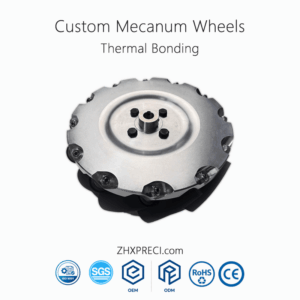
6 Inch Mecanum Wheel for AGV Robot Omni Directional Drive System High Precision Control Smooth Movement Stable Performance
Read more -
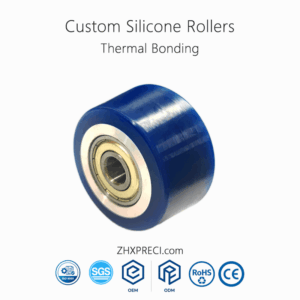
Blue Customized Silicone Rubber Coated Roller & High Quality Drive Guide Roller
Read more -
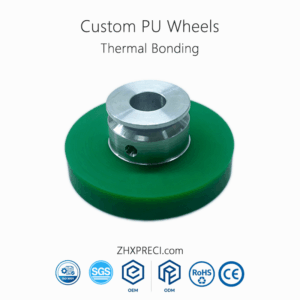
Custom Abrasion Resistant Rubber Wheels with Coating for Mining Equipment
Read more -
Custom Alkali Proof Rubber Wheels with Coating for Industrial Washers
Read more -
Custom Anti Vibration Rubber Wheels with Coating for Precision Instruments
Read more -
Custom Antistatic Rubber Wheels with Coating for Cleanroom Carts
Read more -
Custom ATEX Compliant Silicone Wheels Hazardous Area
Read more -
Custom Bracket Mount Silicone Wheels Easy Installation
Read more -
Custom Chemical Resistant Rubber Wheels with Coating for Laboratory Carts
Read more -
Custom Compact Size Silicone Wheels Space Saving
Read more -
Custom Corrosion Proof Rubber Wheels with Coating for Chemical Plants
Read more -
Custom Durable Rubber Wheels with Coating for Warehouse Operations
Read more -
Custom Easy Rolling Rubber Wheels with Coating for Shopping Carts
Read more -
Custom Extra Heavy Rubber Wheels with Coating for Crane Runways
Read more -
Custom Heat Resistant Rubber Wheels with Coating for Oven Conveyors
Read more -
Custom High Elasticity Rubber Wheels with Coating for Suspension Systems
Read more
What Are Custom Swivel Rubber Coated Wheels with Brake?
Custom swivel rubber coated wheels with brake represent a specialized category of material handling components designed for applications requiring mobility, precise positioning, and secure stationary hold. These wheels feature a 360-degree swivel mechanism that enables omnidirectional movement, a rubber coating that provides floor protection and noise reduction, and an integrated braking system that ensures stability when stationary. Unlike rigid casters, the swivel function allows these wheels to rotate freely around a vertical axis, making them suitable for equipment that needs to maneuver in tight spaces.
Manufactured to order by specialized factories, these wheels serve industries ranging from medical equipment and food processing to aerospace ground support and automated guided vehicles (AGVs). The rubber coating can be formulated from various elastomers including natural rubber, neoprene, silicone, or polyurethane, each offering distinct performance characteristics in terms of hardness, load capacity, and environmental resistance.
How Do Swivel Rubber Coated Wheels Differ from Rigid Casters?
The fundamental distinction between swivel and rigid casters lies in their steering capability. Swivel wheels incorporate a kingpin or ball bearing raceway that permits continuous rotation, allowing the wheel to track in any direction without requiring the equipment to turn. This characteristic proves essential for applications involving frequent directional changes, such as hospital beds, platform trucks, and mobile workstations. Rigid casters, by contrast, are fixed in their rolling direction and can only move forward or backward, making them more suitable for straight-line applications where directional stability is prioritized.
Swivel wheels are commonly paired with rigid casters on the same equipment—typically with swivel units at the front for steering and rigid units at the rear for tracking stability. The braking mechanism on swivel wheels can be configured either as a total lock (securing both wheel rotation and swivel action) or as a directional lock (allowing straight-line movement while preventing swiveling).
Key Features of Custom Swivel Rubber Coated Wheels with Brake
360-Degree Swivel Mechanism
The swivel head of these wheels typically incorporates high-quality ball bearings or roller bearings within the raceway, facilitating smooth rotation under load. Double ball raceway designs are common in heavy-duty variants, offering enhanced load distribution and reduced friction. The swivel offset—the horizontal distance between the kingpin center and the wheel center—affects the turning radius; larger offsets generally provide easier steering but require more clearance space.
Rubber Coating and Tread Materials
The rubber coating serves multiple functional purposes. It attenuates vibration during movement, reduces rolling noise—often by 10–15 dB compared to metal or hard plastic wheels—and protects flooring surfaces from abrasion or marking. The rubber tread can be manufactured using compression molding, injection molding, or bonding processes depending on the required hardness and adhesion strength.
Common rubber formulations include: natural rubber for general-purpose applications with good resilience; neoprene for oil and chemical resistance; nitrile rubber for applications involving petroleum-based fluids; silicone for extreme temperature conditions; and polyurethane for exceptional abrasion resistance and load-bearing capacity.
Brake Systems
Swivel wheels with brakes typically feature one of several braking configurations. Side-locking brakes engage when a cam mechanism presses a braking pad against the wheel tread or side surface. Total-lock brakes simultaneously prevent wheel rotation and swivel action, achieved through a dual-action mechanism that secures both the wheel and the swivel head. Directional brakes, alternatively, allow the wheel to roll in a straight line while preventing swiveling—useful for applications requiring controlled movement along a defined path.
Technical Specifications and Performance Parameters
The technical characteristics of custom swivel rubber coated wheels depend on the specific material formulation and construction method. Industry-standard specifications typically include the following parameters.
Load Capacity
Load capacity represents the maximum static or dynamic load a wheel can support. For rubber coated swivel casters, standard load ratings range from approximately 50 kg to 800 kg per wheel, with heavy-duty variants exceeding these values. The load-bearing capability depends on factors including wheel diameter, tread width, rubber hardness (durometer), bearing type, and structural integrity of the swivel housing. For optimal performance, engineers generally recommend selecting wheels with a rated capacity that exceeds the anticipated operational load by a 25–30% safety margin, as dynamic loads during starts and stops can momentarily exceed static loads.
Hardness
Rubber tread hardness is measured using the Shore durometer scale. Softer compounds—typically 60–70 Shore A—provide superior floor protection and shock absorption but may exhibit higher rolling resistance and faster wear. Medium-hard compounds in the 75–85 Shore A range balance traction, durability, and rollability. Harder compounds above 90 Shore A approach the performance characteristics of polyurethane, offering excellent abrasion resistance and high load capacity with reduced resilience.
Temperature Range
Different rubber formulations have distinct operational temperature thresholds. Standard natural rubber compounds generally perform well between -20°C and +70°C. Neoprene and nitrile compounds extend this range to approximately -30°C to +100°C. Silicone-based compounds can function in environments from -60°C to +230°C, making them suitable for sterilization processes and extreme-temperature applications. These ranges represent typical industry specifications and should be verified for each specific formulation.
Rolling Resistance
Rolling resistance affects the effort required to move equipment. Rubber wheels generally exhibit higher rolling resistance compared to hard tread wheels due to the deformation of the rubber under load. This characteristic, while increasing operational effort, improves traction, braking performance, and floor protection. The coefficient of rolling resistance typically ranges from 0.02 to 0.05 for rubber-tread casters on smooth surfaces, depending on the specific rubber compound and floor conditions.
Applications and Industries Served
Custom swivel rubber coated wheels with brake find application across numerous industrial and commercial sectors. In healthcare environments, these wheels are used on hospital beds, medical carts, diagnostic equipment, and surgical tables, where the soft rubber tread provides quiet operation, floor protection, and the swivel brake ensures stable positioning during procedures. The food and beverage industry utilizes them on processing equipment, trolleys, and storage racks, where the rubber coating offers chemical resistance to cleaning agents and moisture.
Manufacturing facilities employ these wheels on assembly line carts, tool stands, and material handling equipment. The swivel function allows for precise positioning in confined areas, while the brake maintains stability during loading and unloading operations. In warehouse and logistics environments, they serve on order picking carts, mobile shelving, and workstations, facilitating efficient material flow while minimizing floor damage.
Other notable applications include aerospace ground support equipment requiring non-marking wheels for airport tarmacs; automotive assembly conveyors needing vibration damping; and cleanroom environments where the rubber compound must meet low-outgassing and anti-static specifications.
Why Choose Custom Manufactured Wheels?
Custom Swivel Rubber Coated Wheels with Brake from ZHXPRECI | China OEM/ODM Factory Manufacturer Supplier Custom Elastomer Wheels & Rollers represents a strategic approach to procurement. Standard off-the-shelf swivel casters may not adequately address specific operational requirements. Custom manufacturing allows for optimization of tread material, hardness, wheel dimensions, bearing type, and brake configuration to suit particular application conditions—including floor types, load characteristics, operating temperature ranges, and regulatory compliance requirements such as FDA food-grade approval or ATEX explosion-proof certification.
By collaborating with experienced manufacturers, procurement professionals can develop wheels and rollers engineered precisely for their application. Specialized factories engaged in OEM/ODM manufacturing of custom elastomer wheels and rollers offer comprehensive customization capabilities encompassing rubber formulations, wheel configurations, brake systems, and mounting options. OEM/ODM services facilitate the development of private-label products or application-specific designs that enhance competitive advantage.
How to Select the Right Swivel Rubber Coated Wheels
Selection of appropriate swivel rubber coated wheels with brake requires systematic evaluation of several factors.
Load Assessment
Begin by determining the total load each wheel must support. This calculation involves the combined weight of the equipment, its maximum operational load, and consideration of dynamic forces during movement. As a standard engineering practice, total weight should be distributed across the number of wheels, with an additional margin to accommodate load transfer when passing over floor irregularities or during acceleration and deceleration.
Floor Surface Evaluation
The type and condition of floor surfaces significantly impact wheel performance. Smooth concrete, epoxy-coated floors, tile, or carpet each present different traction and wear characteristics. Harder rubber compounds generally perform better on smooth floors, while softer compounds provide better traction on rough or uneven surfaces. For floors sensitive to marking, non-marking rubber formulations are available that leave no visible traces.
Environmental Conditions
Temperature extremes, chemical exposure, humidity, and cleanliness requirements influence material selection. Environments involving oils, greases, or solvents necessitate chemical-resistant compounds such as neoprene or nitrile. Wet or washdown environments benefit from corrosion-resistant swivel housings and bearings. Cleanroom applications may require specially formulated rubber with low particulate emission.
Mobility and Manoeuvrability Requirements
Operational layout determines the required turning radius and swivel flexibility. Facilities with narrow aisles or frequent directional changes benefit from swivel casters with smaller offsets and low-friction bearings. The brake mechanism should match operational needs—occasional stationary use may only require side-locking brakes, whereas applications demanding absolute stability during loading or patient transfer warrant total-lock brakes.
Mounting Options
Swivel wheels are available with various mounting configurations. Top-plate mounts are standard for most industrial applications, with bolt-hole patterns conforming to international standards. Stem mounts, either with threaded or expandable stems, are typically used in lighter-duty applications or where compact mounting is required. Custom mounting solutions can accommodate unique equipment configurations.
Customization Options Available
The custom manufacturing approach offers extensive flexibility in wheel design and performance optimization.
Material Customization
Elastomer composition can be tailored to achieve specific performance characteristics—including hardness, abrasion resistance, and chemical compatibility. Additives such as carbon black or silica can be incorporated to modify wear properties, and colorants may be added for identification or aesthetic purposes. For hygiene-sensitive industries, antimicrobial additives can be incorporated into rubber formulations.
Dimensional Customization
Wheel diameter, tread width, and overall height can be adjusted to suit specific equipment clearances and load requirements. Swivel offset and raceway design can be optimized for steering ease and stability. Both the swivel head and mounting plate can be customized to match existing bolt-hole patterns.
Brake Customization
Brake systems can be configured to suit operational requirements, including side-locking mechanisms, total-lock systems, directional locks, and foot-operated or hand-operated engagement. The brake actuation force and locking pressure can be adjusted based on the required holding force and user accessibility considerations.
Surface Finish and Treatment
Swivel housings and wheel components can be finished with protective coatings including zinc plating, powder coating, or stainless steel construction for corrosion resistance. Bearings can be specified as sealed or shielded, with grease suitable for the expected temperature range and cleanliness requirements.
As a trusted OEM/ODM manufacturer, ZHXPRECI provides comprehensive support for custom wheel and roller projects. With extensive experience in elastomer formulation, processing, and quality control, the company assists customers in optimizing product specifications for performance, durability, and cost-effectiveness. Manufacturing capabilities include rubber compounding, molding, bonding, and assembly, enabling seamless integration with customer supply chains.
Frequently Asked Questions
What is the typical service life of rubber coated swivel wheels?
Service life depends on operating conditions including load, travel distance, floor surface, and environmental factors. Under normal industrial conditions, quality rubber wheels typically provide 2–5 years of reliable service. Regular inspection for tread wear, bearing smoothness, and brake function is recommended. Replacement is indicated when tread wear exceeds approximately 30% of original thickness, bearing roughness develops, or brake engagement becomes inconsistent.
Can these wheels be used outdoors?
Outdoor application is feasible depending on rubber compound selection. Standard rubber compounds may degrade under prolonged UV exposure or at temperature extremes. UV-stabilized formulations are available for outdoor use, as are compounds with enhanced weather resistance. For applications on rough surfaces such as asphalt or gravel, larger wheel diameters are generally recommended.
How do I maintain swivel rubber coated wheels?
Regular maintenance extends wheel service life. Remove debris and foreign matter from the tread and swivel raceway. Lubricate swivel bearings and wheel bearings according to manufacturer specifications. Inspect brake mechanisms for proper engagement and disengagement. Periodically check mounting bolts for torque integrity. In demanding environments, establish routine inspection schedules and promptly replace damaged components.
What mounting plate dimensions are available?
Standard mounting plate configurations include dimensions of 98mm × 85mm, 100mm × 100mm, and 120mm × 120mm with bolt-hole diameters ranging from 8mm to 14mm. Custom mounting configurations can be manufactured to suit specific equipment requirements. European and international standards such as DIN, ISO, and FEM provide reference configurations widely adopted by manufacturers.
How to determine the correct wheel diameter?
Wheel diameter selection involves balancing load capacity, rolling resistance, and clearance requirements. Larger wheel diameters generally provide lower rolling resistance and longer service life due to reduced rotational speed, but require greater clearance. For general-purpose applications, wheel diameter typically ranges from 80mm to 200mm. Engineers commonly select the largest diameter that can be accommodated within equipment design constraints.
Are these wheels suitable for cleanroom environments?
Yes, with appropriate material selection and construction. Cleanroom-grade casters utilize specially formulated rubber compounds with low particulate generation. Sealed bearings prevent lubricant leakage. These wheels can meet ISO Class 5 to 8 cleanroom standards, conforming to requirements in pharmaceutical, semiconductor, and medical device manufacturing. Cleanroom compatibility should be verified with the manufacturer.
What braking force is provided?
Braking force varies with caster size, wheel diameter, and brake design. Holding capacity generally ranges from 150 kg to over 1,000 kg per caster. The brake mechanism creates frictional resistance against the wheel tread or against a separate braking surface. The effective holding force depends on load and floor surface friction characteristics. For applications requiring high holding security, total-lock brakes that secure both wheel rotation and swivel action are recommended.
Conclusion
Custom swivel rubber coated wheels with brake represent a sophisticated solution for material handling applications requiring mobility, positioning accuracy, and station-holding capability. The combination of 360-degree swivel functionality, rubber tread protection, and integrated braking systems makes these wheels essential components across diverse industries.
When selecting or specifying these components, careful consideration of load requirements, floor conditions, operational environment, and application-specific characteristics ensures optimal performance and service life. Custom manufacturing capabilities permit precise tailoring of elastomer formulations, dimensions, and brake configurations to meet unique operational needs. Specialized China-based OEM/ODM factories deliver custom elastomer wheels and rollers designed for demanding industrial applications, supported by technical expertise and quality assurance systems.
By engaging with experienced suppliers and developing comprehensive specifications, procurement professionals and engineers can secure products that reliably meet performance requirements. For projects involving custom elastomer wheels and rollers, consultation with manufacturers can clarify technical options and facilitate informed decision-making. Lead time for custom orders remains subject to order quantity, current production schedule, and final specification confirmation, allowing for transparent planning and realistic project timelines.