
Custom Anti-Static Rubber Coated Wheels
Custom Anti-Static Rubber Coated Wheels
Custom anti-static rubber wheels for ESD-safe mobility.
- 30‑500kg load
- 40‑90A hardness
- 60‑300mm dia
- -20‑+70°C temp
- ISO/REACH/RoHS cert
Showing 1–16 of 245 results
-
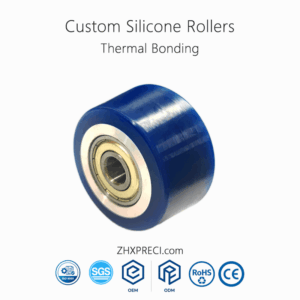
Blue Customized Silicone Rubber Coated Roller & High Quality Drive Guide Roller
Read more -
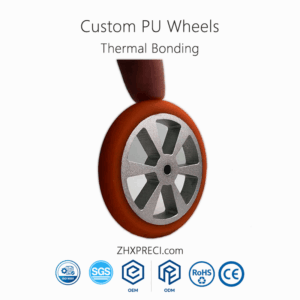
Custom Abrasion Proof PU Wheels For Sand Blasting Areas
Read more -
Custom Abrasion Resistant Polyurethane Wheels For Mining Carts
Read more -
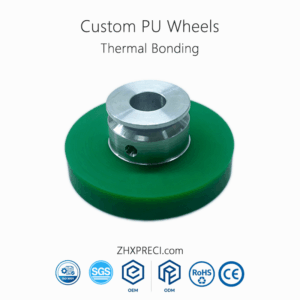
Custom Abrasion Resistant Rubber Wheels with Coating for Mining Equipment
Read more -
Custom Abrasion Resistant Silicone Coated Wheels Heavy Duty Caster
Read more -
Custom Alkali Proof Rubber Wheels with Coating for Industrial Washers
Read more -
Custom Anti Static Silicone Coated Wheels
Read more -
Custom Anti Vibration Rubber Wheels with Coating for Precision Instruments
Read more -
Custom Anti-Slip Rubber Wheels with Rubber Coating for Wet Floor Surfaces
Read more -
Custom Anti-Static PU Wheels For Electronics Assembly
Read more -
Custom Anti-Static Rubber Rollers for Electronics Assembly
Read more -
Custom Anti-Static Rubber Wheels with Rubber Coating for Cleanroom Use
Read more -
Custom Antistatic Rubber Wheels with Coating for Cleanroom Carts
Read more -
Custom ATEX Compliant Polyurethane Wheels For Hazardous Areas
Read more -
Custom ATEX Compliant PU Wheels For Hazardous Areas
Read more -
Custom ATEX Compliant Silicone Wheels Hazardous Area
Read more
Understanding Custom Anti-Static Rubber Coated Wheels
Custom anti-static rubber coated wheels are engineered mobility components designed to prevent the accumulation and discharge of static electricity in industrial environments. These wheels incorporate specialized rubber compounds with controlled electrical conductivity, allowing static charges to dissipate safely to the ground rather than building up on equipment or transferring to sensitive components. This category encompasses a broad range of configurations—from light-duty trolley wheels to heavy-duty industrial casters—all sharing the core functionality of electrostatic discharge (ESD) protection.
The fundamental operating principle lies in the electrical resistance of the rubber compound. A wheel is generally regarded as having anti-static properties when its ohmic resistance does not exceed 10⁷Ω. Many commercially available anti-static rubber wheels achieve resistance values of 10⁴Ω or less, while conductive variants may reach below 10⁵Ω. This controlled conductivity ensures that static electricity is safely channeled away, protecting sensitive electronic components, preventing dust attraction, and reducing the risk of electrostatic discharge incidents that can damage products or disrupt manufacturing processes.
Custom Anti-Static Rubber Coated Wheels from ZHXPRECI | China OEM/ODM Factory Manufacturer Supplier Custom Elastomer Wheels & Rollers are engineered to meet diverse industrial requirements, with formulations available across a range of Shore A hardness values and electrical resistance specifications tailored to specific application needs.
What Are Anti-Static Rubber Coated Wheels?
Anti-static rubber coated wheels consist of a rigid core—typically steel, aluminum, or engineered plastic—encapsulated with a layer of electrically conductive rubber compound. The rubber coating serves multiple functions: it provides traction and shock absorption, protects flooring surfaces, reduces operational noise, and—most critically—offers a controlled path for static electricity to dissipate.
The anti-static property is achieved through the incorporation of conductive fillers—most commonly carbon black—into the rubber formulation. At loading levels of approximately 50 parts per hundred rubber (phr) or higher, carbon black creates a conductive network throughout the compound, reducing volume resistivity to below 10⁸ ohm·cm. This enables the wheel to function as a grounding pathway for static charges generated during equipment movement or operation.
These wheels are commonly specified for environments where static electricity poses risks to product quality, equipment functionality, or operator safety. Typical applications include electronics assembly lines, semiconductor fabrication facilities, cleanrooms, laboratories, pharmaceutical manufacturing, and any setting where electrostatic discharge could damage sensitive components or attract airborne contaminants.
Key Technical Parameters and Industry Standards
Understanding the technical specifications of anti-static rubber coated wheels is essential for proper selection. Several parameters define performance and suitability for specific applications:
Electrical Resistance
Electrical resistance is the primary metric for anti-static performance. Industry standards provide clear classifications:
- Anti-static: Ohmic resistance not exceeding 10⁷Ω
- Conductive: Resistance values typically below 10⁵Ω
- ESD-safe: Surface resistance typically between 10³Ω and 10⁵Ω
Testing is commonly performed in accordance with DIN EN 12527 or ASTM D257 standards. The specific resistance requirement depends on the sensitivity of the environment and the nature of static risks present.
Hardness (Shore A)
Rubber hardness, measured on the Shore A scale, influences load capacity, rolling resistance, shock absorption, and floor protection. Anti-static rubber wheels are available across a wide hardness range:
- Soft compounds (50–70 Shore A): Provide excellent shock absorption and floor protection, suitable for delicate loads and uneven surfaces
- Medium compounds (70–80 Shore A): Offer a balance of cushioning and durability
- Hard compounds (80–90 Shore A): Deliver higher load capacity and wear resistance, appropriate for heavy-duty applications
Load Capacity
Load capacity varies significantly with wheel diameter, core design, bearing type, and rubber formulation. Light-duty anti-static wheels may support 40–60 kg per wheel, while heavy-duty configurations can handle substantially higher loads. Proper selection requires consideration of total equipment weight, dynamic loads during movement, and floor conditions.
Temperature Resistance
Rubber compounds have defined operating temperature ranges. Standard rubber wheels typically function between -20°C and 70°C, with some formulations extending these limits. For applications requiring broader temperature tolerance, alternative elastomers such as polyurethane or specialized rubber compounds may be more appropriate.
Bearing Types
Bearing selection affects rolling resistance, maneuverability, and longevity. Common options include plain sleeve bearings, roller bearings, and precision ball bearings. The choice depends on load requirements, frequency of movement, and environmental conditions.
Anti-Static Rubber vs. Alternative Wheel Materials
Selecting the appropriate wheel material requires understanding the trade-offs between different options. Each material offers distinct advantages and limitations:
Anti-Static Rubber vs. Polyurethane
Polyurethane wheels typically offer superior resistance to grease, oil, cutting, and abrasive wear compared to conventional rubber. They also support higher static loads—often two to three times that of equivalent rubber wheels. However, rubber provides superior shock absorption, making it preferable for applications involving delicate loads, uneven surfaces, or significant vibration.
Polyurethane wheels generally command a higher price point. Rubber wheels offer a cost-effective solution for many applications, particularly where shock absorption and floor protection are primary concerns.
Anti-Static Rubber vs. Nylon
Nylon wheels provide high strength, low moisture absorption, and good chemical resistance. However, they lack the cushioning properties of rubber and may transmit more vibration. Rubber wheels are typically quieter in operation and gentler on flooring surfaces.
Anti-Static Rubber vs. Phenolic
Phenolic wheels offer high load capacity and resistance to impact and moisture. They are, however, harder than rubber and provide less floor protection. Rubber remains the preferred choice for applications requiring a cushioned ride and floor-friendly operation.
Custom Anti-Static Rubber Coated Wheels from ZHXPRECI | China OEM/ODM Factory Manufacturer Supplier Custom Elastomer Wheels & Rollers can be formulated and manufactured to match specific performance requirements, whether prioritizing shock absorption, load capacity, or chemical resistance.
Primary Applications and Use Cases
Anti-static rubber coated wheels find application across numerous industries where static control is critical:
Electronics Manufacturing
In electronics assembly and semiconductor fabrication, electrostatic discharge can destroy sensitive microchips and circuit boards. Anti-static wheels on production carts, workstations, and material handling equipment prevent static buildup during movement, protecting valuable components throughout the manufacturing process.
Cleanrooms and Laboratories
Cleanroom environments require stringent static control to prevent particle attraction and contamination. Anti-static wheels help maintain the controlled environment while providing smooth, quiet mobility for equipment and supplies.
Medical Device Manufacturing
The production of medical devices and pharmaceuticals often involves sensitive electronic components and cleanroom conditions. Anti-static wheels support safe material handling in these regulated environments.
Automotive and Aerospace
Assembly lines in automotive and aerospace manufacturing utilize anti-static wheels for transporting components and subassemblies, protecting sensitive electronic systems from static damage during production.
Printing and Packaging
Static electricity in printing and packaging operations can cause material misalignment, dust attraction, and quality defects. Anti-static wheels on equipment and transport carts help mitigate these issues.
How to Select the Right Anti-Static Rubber Coated Wheel
Selecting the appropriate anti-static rubber coated wheel requires systematic evaluation of several factors:
Step 1: Define the Application Environment
Consider the operating environment thoroughly. What floor surfaces will the wheel encounter? Is the environment cleanroom-classified? What temperature range will the wheel experience? Will exposure to oils, chemicals, or moisture occur? These factors influence material selection and compound formulation.
Step 2: Determine Load Requirements
Calculate the total weight of the equipment and its maximum load. Divide by the number of wheels to determine per-wheel load requirements. Include a safety margin for dynamic loads during movement and potential uneven weight distribution.
Step 3: Specify Anti-Static Performance
Define the required electrical resistance based on the sensitivity of the environment and the nature of static risks. Consult industry standards (DIN EN 12527, ASTM D257, or Federal Standard FF-C-88C) for guidance. Consider whether anti-static (≤10⁷Ω) or conductive (≤10⁵Ω) performance is required.
Step 4: Consider Dimensional Requirements
Wheel diameter, tread width, and overall height must accommodate the equipment design and clearance requirements. Larger diameters generally provide smoother rolling over obstacles, while narrower treads may be suitable for lighter loads and tighter spaces.
Step 5: Evaluate Mounting Options
Determine whether fixed (rigid), swivel, or combination configurations are needed. Consider brake requirements for applications where equipment must remain stationary during loading or operation.
Step 6: Assess Customization Needs
For specialized applications, custom compounds, dimensions, or mounting configurations may be necessary. Custom Anti-Static Rubber Coated Wheels from ZHXPRECI | China OEM/ODM Factory Manufacturer Supplier Custom Elastomer Wheels & Rollers are available with tailored specifications to meet unique application requirements.
Common Questions About Anti-Static Rubber Coated Wheels
What is the difference between anti-static and conductive rubber wheels?
Anti-static rubber wheels typically have ohmic resistance not exceeding 10⁷Ω, while conductive wheels have lower resistance, often below 10⁵Ω. Conductive wheels provide a more direct path to ground and are specified for environments with higher static risks or more sensitive components. The choice depends on the specific ESD protection requirements of the application.
How do anti-static rubber wheels prevent static electricity?
Anti-static rubber wheels contain conductive fillers—typically carbon black—that create a continuous conductive path through the rubber compound. When the wheel contacts the ground, static electricity generated during equipment movement flows through this conductive network to the ground, preventing charge accumulation on the equipment.
Are anti-static rubber wheels suitable for cleanroom use?
Yes. Anti-static rubber wheels are commonly specified for cleanroom applications. They help prevent static attraction of airborne particles while providing smooth, quiet mobility. Non-marking tread options are available to protect cleanroom flooring.
What hardness range is available for anti-static rubber wheels?
Anti-static rubber wheels are manufactured across a broad hardness spectrum, typically from 40 Shore A to 90 Shore A. Softer compounds (50–70 Shore A) provide superior shock absorption and floor protection. Harder compounds (80–90 Shore A) offer higher load capacity and wear resistance.
How do anti-static rubber wheels compare to polyurethane wheels?
Polyurethane wheels generally offer higher load capacity and superior resistance to oils, chemicals, and abrasive wear. Rubber wheels provide better shock absorption and are typically more cost-effective. The choice depends on whether cushioning and floor protection or load capacity and chemical resistance is the higher priority.
Can anti-static rubber wheels be customized for specific applications?
Yes. Custom anti-static rubber coated wheels can be manufactured with specific diameters, tread widths, core materials, bearing types, hardness values, and electrical resistance specifications. Custom Anti-Static Rubber Coated Wheels from ZHXPRECI | China OEM/ODM Factory Manufacturer Supplier Custom Elastomer Wheels & Rollers can be developed to meet dimensional, load, and environmental requirements.
What testing standards apply to anti-static rubber wheels?
Anti-static wheels are commonly tested in accordance with DIN EN 12527, ASTM D257 for electrical resistance measurement, and Federal Standard FF-C-88C for ESD performance. These standards ensure consistent and reliable anti-static properties.
How long do anti-static rubber wheels typically last?
Service life depends on operating conditions, load levels, floor surfaces, frequency of use, and maintenance practices. Rubber wheels in moderate-use industrial applications may provide years of reliable service with proper maintenance. Regular inspection for wear, damage, and loss of anti-static properties is recommended.
What is the typical lead time for custom anti-static rubber wheels?
Lead times for custom anti-static rubber wheels depend on order quantity, current production schedule, and final specification confirmation. Custom tooling, compound development, and dimensional requirements all influence production timelines. For specific delivery estimates, direct consultation with the manufacturer is recommended.
Are anti-static rubber wheels non-marking?
Many anti-static rubber wheels are formulated to be non-marking, meaning they do not leave black marks on flooring surfaces. This is particularly important in cleanrooms, laboratories, and environments with light-colored or sensitive flooring. Non-marking properties should be confirmed with the manufacturer when specifying wheels for floor-sensitive applications.
Manufacturing and Quality Considerations
The production of anti-static rubber coated wheels involves several critical stages that influence final product quality and performance:
Compound Formulation
The rubber compound must be precisely formulated to achieve the required balance of electrical conductivity, mechanical properties, and environmental resistance. Conductive filler loading, polymer selection, and curing systems all affect the final properties. Custom Anti-Static Rubber Coated Wheels from ZHXPRECI | China OEM/ODM Factory Manufacturer Supplier Custom Elastomer Wheels & Rollers utilize carefully developed compounds to meet specific application requirements.
Bonding to Core
The rubber coating must be securely bonded to the wheel core to prevent separation under load. Proper surface preparation, adhesive selection, and curing processes are essential for reliable bonding. Bond strength testing ensures the integrity of the rubber-to-metal interface.
Dimensional Accuracy
Precise dimensional control ensures proper fit and function. Tread thickness, diameter, and concentricity must be maintained within specified tolerances. Quality control processes include dimensional inspection and runout measurement.
Electrical Testing
Each production batch should be tested for electrical resistance to verify anti-static performance. Testing is typically performed using specialized equipment in accordance with industry standards.
For B2B procurement, engineers and purchasing professionals should request material test reports, electrical resistance data, and dimensional certifications to verify that products meet specified requirements. Engaging with manufacturers who can provide comprehensive technical documentation supports informed decision-making and quality assurance.