
Custom Quiet Rubber Coated Wheels
Custom Quiet Rubber Coated Wheels
Custom rubber coated wheels deliver quiet mobility with floor protection.
- 80‑500kg load
- 60‑95A Shore
- 75‑200mm dia
- -20‑+80°C temp
- ISO/REACH cert
Showing 1–16 of 46 results
-
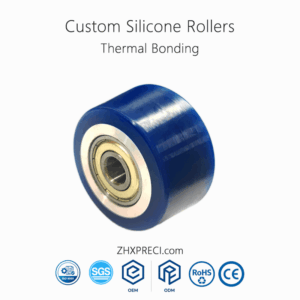
Blue Customized Silicone Rubber Coated Roller & High Quality Drive Guide Roller
Read more -
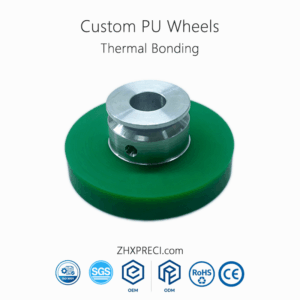
Custom Abrasion Resistant Rubber Wheels with Coating for Mining Equipment
Read more -
Custom Alkali Proof Rubber Wheels with Coating for Industrial Washers
Read more -
Custom Anti Vibration Rubber Wheels with Coating for Precision Instruments
Read more -
Custom Antistatic Rubber Wheels with Coating for Cleanroom Carts
Read more -
Custom ATEX Compliant Silicone Wheels Hazardous Area
Read more -
Custom Bracket Mount Silicone Wheels Easy Installation
Read more -
Custom Chemical Resistant Rubber Wheels with Coating for Laboratory Carts
Read more -
Custom Compact Size Silicone Wheels Space Saving
Read more -
Custom Corrosion Proof Rubber Wheels with Coating for Chemical Plants
Read more -
Custom Durable Rubber Wheels with Coating for Warehouse Operations
Read more -
Custom Easy Rolling Rubber Wheels with Coating for Shopping Carts
Read more -
Custom Extra Heavy Rubber Wheels with Coating for Crane Runways
Read more -
Custom Heat Resistant Rubber Wheels with Coating for Oven Conveyors
Read more -
Custom High Elasticity Rubber Wheels with Coating for Suspension Systems
Read more -
Custom High Traction Rubber Wheels with Coating for Tow Tractors
Read more
What Are Custom Quiet Rubber Coated Wheels?
Custom quiet rubber coated wheels represent a specialized category of industrial and commercial caster solutions engineered to deliver controlled mobility with significantly reduced operational noise. These wheels consist of a rigid inner core, typically manufactured from aluminium, steel, or engineered polymers, which is then encapsulated with a vulcanized rubber compound. The rubber coating serves as a critical interface between the wheel and the rolling surface, providing cushioning, traction, and acoustic dampening. Unlike standard polyurethane or nylon wheels, rubber coated variants excel in environments where floor protection, vibration isolation, and noise reduction are paramount. They are widely deployed in healthcare facilities, precision manufacturing lines, automated guided vehicle systems, and quiet logistics operations where decibel levels directly impact worker comfort and regulatory compliance.
The defining characteristic of these wheels lies in the synergistic combination of a load-bearing core and an elastomeric outer layer. The rubber compound can be formulated with varying durometer ratings, typically ranging from Shore A 60 to 95, allowing engineers to select the optimal balance between rolling resistance and shock absorption. Lower durometer compounds offer superior cushioning and quieter operation, while higher durometer formulations provide enhanced wear resistance and load capacity. The customization aspect enables OEMs and aftermarket buyers to specify not only the rubber hardness but also the geometric dimensions, hub configurations, bearing types, and tread patterns. This flexibility ensures that the wheel performs reliably under specific operational parameters, from sterile cleanroom environments to rugged warehouse floors.
Breaking Down the Core Attributes
Customization: Tailored to Application Demands
The "custom" aspect of these wheels extends far beyond simple size variations. Manufacturers offer comprehensive modification options to address unique operational challenges. Key customizable parameters include overall diameter, tread width, bore size, hub material, and bearing selection. Customers can choose from precision ball bearings, tapered roller bearings, or plain bearings depending on the required load capacity and rotational speed. The rubber compound itself can be customized with additives to enhance specific properties—such as oil resistance, antistatic discharge, or increased tear strength. Colour matching is also available for branding or visual identification purposes. Furthermore, custom tread profiles, including grooved or patterned surfaces, can be engineered to improve grip on inclined surfaces or wet floors. This level of specification ensures that each wheel integrates seamlessly into existing equipment designs without compromising performance or safety standards.
Quiet Operation: The Science of Noise Reduction
Noise generation in wheeled equipment primarily stems from two sources: impact excitation during rolling over surface irregularities and structure-borne vibrations transmitted through the wheel-to-floor interface. Custom quiet rubber coated wheels address both mechanisms through the inherent damping properties of elastomeric materials. The rubber layer acts as a viscoelastic buffer that absorbs and dissipates mechanical energy, effectively smoothing out micro-impacts that would otherwise propagate as audible noise. Comparative studies have shown that high-quality rubber coated wheels can reduce rolling noise by 8 to 12 decibels relative to hard polyurethane or nylon alternatives, a difference that is perceptually significant in quiet indoor settings. Additionally, the rubber compound's internal friction converts vibrational energy into heat, further attenuating noise propagation. This acoustic advantage makes these wheels the preferred choice for hospital beds, medical carts, library trolleys, and assembly line equipment where noise reduction directly improves the working environment and patient or occupant comfort.
Rubber Coating: Material Benefits and Durability
Rubber coating serves multiple functional roles beyond noise reduction. It protects expensive flooring surfaces—such as polished concrete, epoxy, vinyl, or tile—from abrasion, scuffing, and indentation damage. The elastomer's high coefficient of friction provides secure traction, reducing slippage on smooth or wet surfaces, which is critical for safety in healthcare and food processing environments. Rubber coatings also offer chemical resistance to a range of common industrial fluids, including mild acids, alkalis, and cleaning agents, depending on the chosen compound formulation. The coating thickness, typically ranging from 6 to 15 millimetres, can be optimized to balance shock absorption against rolling resistance. For heavy-duty applications, reinforced rubber compounds with embedded fabric or steel cords are available to extend service life under extreme loads and high-cycle usage. Properly specified rubber coated wheels demonstrate excellent resistance to ozone cracking, weathering, and temperature extremes, with operational ranges commonly spanning from -20°C to +80°C for standard compounds, and extended ranges up to 120°C for specialty heat-resistant formulations.
Technical Specifications and Performance Data
When evaluating custom quiet rubber coated wheels for specific applications, several technical parameters require careful consideration. Load capacity varies significantly with wheel diameter, tread width, and core material. For a standard 100 mm diameter wheel with a 32 mm tread width, typical dynamic load ratings range from 80 to 150 kilograms, while larger 200 mm wheels can support 300 to 500 kilograms. These figures are based on rolling at speeds up to 4 kilometres per hour on flat, hard surfaces. For higher speed applications or uneven terrain, de-rating factors must be applied. Durometer selection directly impacts performance: a Shore A 70 compound offers a balanced combination of cushioning and durability, while Shore A 85 provides enhanced load-bearing capability and abrasion resistance at the expense of some shock absorption.
Tread hardness, measured using the Shore A scale, is a primary indicator of the wheel's performance characteristics. Softer compounds (Shore A 60–70) excel in noise reduction and floor protection, making them ideal for quiet indoor environments. Medium-hard compounds (Shore A 75–85) offer a versatile balance suitable for most industrial applications, providing adequate load support while maintaining reasonable damping. Harder compounds (Shore A 90–95) are typically reserved for high-load, low-speed applications where maximum wear resistance is prioritized over quietness. It is important to note that environmental factors, such as ambient temperature, can affect the effective hardness of rubber compounds. Elevated temperatures soften the material, potentially reducing load capacity, while cold temperatures can increase hardness and reduce traction. Therefore, application-specific thermal conditions must be factored into the selection process.
Key Application Industries and Use Cases
Custom quiet rubber coated wheels find extensive use across a diverse range of industries, each with distinct operational demands. In the healthcare sector, these wheels are integral to medical equipment—including hospital beds, infusion stands, stretchers, and diagnostic apparatus—where noise reduction directly contributes to patient rest and recovery. The gentle rolling action prevents damage to sensitive flooring common in medical facilities, and the inherent chemical resistance facilitates regular sanitization with industrial disinfectants.
In logistics and material handling, rubber coated wheels are deployed on warehouse trolleys, conveyor transfer carts, and automated guided vehicles (AGVs). The quiet rolling characteristic is particularly valued in night-time warehouse operations and in environments adjacent to office spaces. The floor protection feature reduces maintenance costs associated with floor resurfacing, while the shock-absorbing property minimizes damage to delicate payloads during transport.
Manufacturing and assembly operations benefit from these wheels on tool carts, workstations, and parts feeders. The reduction in vibration improves ergonomics and reduces worker fatigue, while the precise rolling characteristics ensure accurate positioning of equipment. The food and beverage industry utilizes specialized rubber compounds that resist oil, grease, and food acids, making them suitable for processing and packaging line equipment. In the aerospace and defence sectors, custom wheels are specified for ground support equipment, where reliability and predictable performance are critical under diverse environmental conditions.
How to Select the Right Custom Quiet Rubber Coated Wheels
Selecting appropriate wheels requires a systematic evaluation of operational parameters. Begin by calculating the maximum static and dynamic loads that each wheel must support, including any impact forces from starting, stopping, or traversing obstacles. Divide the total equipment weight by the number of wheels, then apply a safety factor of 1.5 to 2.0 to account for uneven load distribution and transient loading events. Next, assess the rolling surface: smooth, hard floors permit smaller diameter wheels with higher hardness compounds, while rough, uneven surfaces necessitate larger diameters and softer compounds to absorb impacts and maintain traction.
Environmental conditions are equally critical. For applications in wet, oily, or chemical-exposed environments, select compounds with documented resistance to specific fluids. Temperature extremes require compounds formulated to maintain mechanical properties across the expected range. For cleanroom or sterile environments, specify non-marking compounds that do not shed particles or leave residues. Additionally, consider the frequency of movement and required rolling distance, as these factors influence bearing selection and tread wear expectations. High-cycle applications may benefit from precision bearings and more wear-resistant compounds, while infrequent movement allows for simpler bearing configurations.
It is also important to evaluate the equipment's attachment method—whether through stem, plate, or bolt-on configurations—and ensure compatibility with the wheel's mounting design. Custom wheel manufacturers can supply brackets, axles, and fasteners as integrated assemblies to simplify installation and ensure proper alignment. Finally, request samples for on-site testing to validate performance under actual operating conditions before placing volume orders.
Manufacturing and Customization Capabilities
Custom Quiet Rubber Coated Wheels from ZHXPRECI | China OEM/ODM Factory Manufacturer Supplier Custom Elastomer Wheels & Rollers are produced using advanced compression and injection moulding technologies that ensure consistent compound distribution and optimal bonding between the rubber layer and the metallic core. The manufacturing process begins with precision machining of the core components to exact dimensional tolerances, followed by surface preparation to promote maximum adhesion. The rubber compound is then applied using controlled heat and pressure cycles that vulcanize the elastomer while simultaneously bonding it to the core. Quality control measures include durometer testing, load-deflection analysis, and accelerated wear testing to verify that each batch meets the specified performance criteria.
Customization capabilities extend to the development of proprietary compound formulations for unique applications. In-house materials engineers work with customers to develop rubber blends that optimize specific properties—such as enhanced oil resistance, increased low-temperature flexibility, or improved electrostatic discharge characteristics. Prototyping services are available to produce sample wheels for testing and validation, allowing engineering teams to verify performance before committing to full-scale production. This collaborative approach ensures that the final product precisely matches the application requirements without compromising quality or reliability.
Regarding delivery timelines, the manufacturing lead time is subject to order quantity, current production schedule, and final specification confirmation. Custom compound development and prototyping may require additional time for formulation and testing. It is recommended to consult with the manufacturer early in the project planning phase to establish a realistic timeline that accommodates the specific customization requirements and volume demands.
Frequently Asked Questions
What is the typical load capacity of custom quiet rubber coated wheels?
Load capacity depends on wheel diameter, tread width, core material, and compound hardness. Small diameter wheels (75–100 mm) typically support 60 to 150 kilograms per wheel, while medium diameters (125–150 mm) range from 150 to 300 kilograms. Large diameter wheels (200 mm and above) can accommodate 300 to 600 kilograms or more, depending on specific design parameters. Always consult the manufacturer's load rating charts and apply appropriate safety factors based on the intended application and operating conditions.
How does temperature affect rubber coated wheel performance?
Temperature significantly influences rubber compound mechanical properties. Elevated temperatures above 50°C generally reduce hardness and load capacity, while increasing rolling resistance. Low temperatures below -10°C increase hardness and may reduce traction and shock absorption. Standard compounds are rated for operation between -20°C and +80°C. For extreme environments, specialty compounds are available that maintain performance from -40°C to +120°C. Always verify thermal ratings when specifying wheels for temperature-critical applications.
Are rubber coated wheels suitable for outdoor use?
Yes, provided the compound is formulated with UV stabilizers and ozone-resistant additives. Outdoor exposure requires protection against ultraviolet degradation, which can cause surface cracking and premature wear. Additionally, outdoor surfaces may be rougher or contain abrasive particles that accelerate tread wear. For outdoor applications, select harder compounds with enhanced abrasion resistance and consider larger diameter wheels to reduce rolling resistance on uneven terrain. Regular cleaning to remove embedded debris will extend service life.
How do quiet rubber wheels compare with polyurethane wheels?
Rubber coated wheels generally provide superior noise reduction, impact absorption, and floor protection compared to polyurethane alternatives. Polyurethane wheels offer higher load capacity, lower rolling resistance, and superior abrasion resistance, making them suitable for high-speed, high-load applications. However, polyurethane tends to transmit more vibration and noise, and it can mark sensitive floors under heavy loads. Rubber wheels are preferred where noise reduction and floor protection are primary concerns, while polyurethane is selected for maximum durability and efficiency in demanding industrial settings.
What factors influence the lifespan of rubber coated wheels?
Service life is influenced by load magnitude, rolling distance, surface condition, environmental factors, and maintenance practices. Excessive loading accelerates tread wear and may cause permanent deformation. Irregular surfaces with sharp edges can cut or tear the rubber. Exposure to chemicals, oils, and solvents degrades the compound over time. Regular inspection for cracks, flat spots, or worn tread patterns, combined with timely replacement, optimizes total cost of ownership. Properly specified wheels with appropriate compound selection typically provide 6 to 18 months of service in industrial applications, subject to usage intensity.
Can rubber coated wheels be repaired or re-coated?
In many cases, worn rubber coatings can be removed and re-applied to the original core, provided the core remains structurally sound. This re-coating service extends the life of expensive custom cores and reduces waste. The process involves stripping the worn rubber, cleaning and preparing the core surface, and applying a fresh rubber layer through vulcanization. Re-coating is cost-effective for large diameter or specialty cores with complex geometries. Consult the manufacturer for availability and pricing of re-coating services.
How should rubber coated wheels be maintained?
Regular maintenance includes cleaning to remove debris, dirt, and chemical residues that can accelerate wear. Inspect wheels periodically for cuts, cracks, flat spots, and excessive tread wear. Check bearings for smooth rotation and proper lubrication. Replace wheels showing visible damage or when tread depth has worn below the recommended minimum. In environments with heavy chemical exposure, wash wheels with appropriate cleaning agents to prevent compound degradation. Proper maintenance extends service life and ensures consistent operational performance.
What customization options are available for these wheels?
Customization options include tread diameter, width, and profile; core material and geometry; compound hardness and colour; bearing type and precision grade; surface treatments for corrosion resistance; and non-marking formulations for cleanroom applications. Manufacturers can also develop proprietary compounds with specific properties, such as antistatic, oil-resistant, or food-contact compliant grades. Custom branding and identification markings can be applied to hubs or treads. Engaging with the manufacturer early in the design process enables full exploitation of available customization capabilities.
Are these wheels compliant with industry standards?
Reputable manufacturers produce wheels that comply with relevant standards, including ISO, EN, and ASTM specifications. Wheels used in medical equipment may require compliance with IEC 60601 or similar safety standards. Food industry applications may require FDA-compliant materials. It is essential to verify standard compliance with the manufacturer based on the intended application and regulatory jurisdiction. Documentation of compliance, including material certificates and test reports, can usually be provided upon request.
How do I determine the correct wheel size for my equipment?
Wheel size selection should consider load capacity, floor conditions, and required starting effort. Larger diameter wheels reduce rolling resistance and make it easier to overcome obstacles, while smaller wheels are more compact and suitable for lightweight equipment. Calculate the required diameter based on the load per wheel and the coefficient of rolling friction for the intended floor surface. For manual handling equipment, larger diameters reduce the push-pull force required. For power-driven equipment, consider the impact on torque requirements and power consumption. A comprehensive engineering evaluation is recommended for critical applications.
Custom Quiet Rubber Coated Wheels from ZHXPRECI | China OEM/ODM Factory Manufacturer Supplier Custom Elastomer Wheels & Rollers offer engineering teams a reliable solution for demanding mobility requirements. By combining precise manufacturing processes with extensive customization capabilities, these wheels deliver consistent performance across a wide range of industries. The emphasis on quiet operation, floor protection, and tailored specifications addresses the practical needs of B2B buyers, maintenance engineers, and procurement professionals. Careful attention to load ratings, environmental factors, and maintenance practices ensures long-term value and operational reliability. For specific technical consultations or to request samples, contact the manufacturer directly to initiate a detailed discussion of your application requirements.