
Custom Wide Tread Rubber Coated Wheels
Custom Wide Tread Rubber Coated Wheels
Wide tread rubber wheels for AGVs, carts, and heavy equipment. Customizable in load, size, and compound.
- 30–500 kg load
- 60–95A Shore hardness
- 60–300 mm diameter
- -30 – +80 °C temp range
- ISO 9001 & REACH certified
Showing 1–16 of 46 results
-
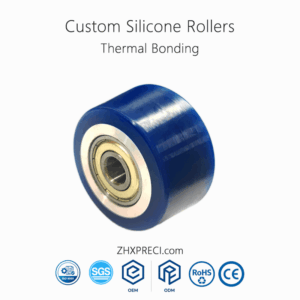
Blue Customized Silicone Rubber Coated Roller & High Quality Drive Guide Roller
Read more -
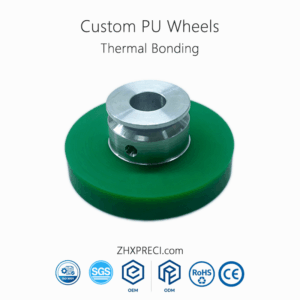
Custom Abrasion Resistant Rubber Wheels with Coating for Mining Equipment
Read more -
Custom Alkali Proof Rubber Wheels with Coating for Industrial Washers
Read more -
Custom Anti Vibration Rubber Wheels with Coating for Precision Instruments
Read more -
Custom Antistatic Rubber Wheels with Coating for Cleanroom Carts
Read more -
Custom ATEX Compliant Silicone Wheels Hazardous Area
Read more -
Custom Bracket Mount Silicone Wheels Easy Installation
Read more -
Custom Chemical Resistant Rubber Wheels with Coating for Laboratory Carts
Read more -
Custom Compact Size Silicone Wheels Space Saving
Read more -
Custom Corrosion Proof Rubber Wheels with Coating for Chemical Plants
Read more -
Custom Durable Rubber Wheels with Coating for Warehouse Operations
Read more -
Custom Easy Rolling Rubber Wheels with Coating for Shopping Carts
Read more -
Custom Extra Heavy Rubber Wheels with Coating for Crane Runways
Read more -
Custom Heat Resistant Rubber Wheels with Coating for Oven Conveyors
Read more -
Custom High Elasticity Rubber Wheels with Coating for Suspension Systems
Read more -
Custom High Traction Rubber Wheels with Coating for Tow Tractors
Read more
What Are Custom Wide Tread Rubber Coated Wheels?
Custom wide tread rubber coated wheels are industrial-grade mobility components consisting of a rigid core—typically manufactured from steel, aluminum, or engineered polymers—with a vulcanized rubber outer layer bonded to the core surface. The defining characteristic of this product category is the generous tread width relative to the wheel diameter, which distributes load across a larger contact patch and enhances stability on both even and uneven floor surfaces. These wheels are engineered for applications requiring high load-bearing capacity, floor protection, vibration dampening, and traction in demanding operational environments.
Custom Wide Tread Rubber Coated Wheels from ZHXPRECI | China OEM/ODM Factory Manufacturer Supplier Custom Elastomer Wheels & Rollers represent a specialized segment of the industrial wheel market. The manufacturing process involves bonding a rubber compound—selected from natural rubber, synthetic rubber (SBR), nitrile rubber (NBR), ethylene propylene diene monomer (EPDM), or polyurethane—to a metal or engineering plastic core through heat-activated vulcanization or cold-bonding techniques. The resulting composite structure offers the mechanical strength of the core material combined with the functional surface properties of the elastomer tread.
Unlike standard industrial wheels with narrow treads, wide tread designs provide a larger footprint that reduces ground pressure, improves flotation on soft surfaces, and enhances directional stability. This makes them particularly suitable for mobile equipment operating on uneven terrain, wet floors, or surfaces where load concentration could cause damage.
Key Characteristics of Wide Tread Design
The wide tread configuration is not merely an aesthetic choice; it delivers measurable functional benefits that distinguish these wheels from conventional alternatives. A wider tread increases the contact area between the wheel and the floor, which directly influences load distribution, traction, and rolling resistance.
Enhanced Stability and Load Distribution
Wide tread rubber coated wheels offer superior lateral stability compared to narrow-tread equivalents. The increased contact patch reduces the ground pressure per unit area, which is particularly advantageous when operating on soft flooring materials such as epoxy coatings, linoleum, or outdoor surfaces where load concentration could cause indentation or surface damage. For mobile equipment subject to side loads—such as automated guided vehicles (AGVs) navigating tight turns or manual carts traversing uneven warehouse floors—the wider footprint provides a more forgiving stability envelope.
Improved Traction and Grip
The rubber compound's inherent coefficient of friction, combined with the larger contact area of a wide tread, delivers reliable traction across various floor conditions. This is especially relevant in environments where moisture, oils, or dust may be present. The tread pattern—whether smooth, grooved, or patterned—can be customized to optimize grip for specific applications, from smooth warehouse floors to rough outdoor terrain.
Shock Absorption and Vibration Dampening
Rubber, by its elastomeric nature, absorbs impact energy and dampens vibration. Wide tread wheels provide a greater volume of rubber between the core and the floor, which translates to improved cushioning. This is critical for protecting both the equipment and its payload from shock loads encountered during operation over thresholds, expansion joints, or uneven surfaces.
Material Options and Performance Characteristics
The selection of rubber compound significantly influences wheel performance across key metrics including hardness, wear resistance, temperature tolerance, and chemical compatibility. Understanding these material properties is essential for specifying the appropriate wheel for a given application.
Hardness and Durometer Ratings
Rubber hardness is measured using the Shore durometer scale, with most industrial rubber wheels falling within the Shore A range of 50 to 90. Softer compounds, typically in the 50 to 70 Shore A range, offer superior shock absorption and floor protection but may exhibit higher rolling resistance and faster wear under heavy loads. Harder compounds, ranging from 75 to 90 Shore A, provide better load-bearing capacity and wear resistance at the expense of some cushioning. The choice of hardness is application-dependent and should be evaluated in the context of floor conditions, load requirements, and operational duty cycles.
Wear Resistance and Abrasion Performance
Wear resistance is a critical performance metric for industrial wheels, particularly in high-cycle applications. Industry standards such as ASTM G65 and ISO 7784-2 provide standardized methods for evaluating abrasive wear resistance of rubber-coated components. DIN 53515 is another widely referenced standard for assessing abrasion resistance in rubber materials.
Polyurethane (PU) generally offers superior abrasion resistance compared to conventional rubber compounds, with some studies indicating up to ten times the service life of natural rubber under similar operating conditions. However, rubber compounds—particularly those formulated with specialized additives—can be optimized for specific wear environments, providing a cost-effective solution where extreme abrasion resistance is not the primary requirement.
Temperature Operating Ranges
The operating temperature range of rubber coated wheels depends on the specific compound formulation. Standard rubber wheels typically operate effectively between -20°C and 70°C, with performance degrading outside this range due to hardening at low temperatures or accelerated aging at elevated temperatures. Polyurethane compounds generally offer a broader operating window, spanning -40°C to 80°C. For applications involving extreme temperatures, specialized compounds such as EPDM or silicone-based rubbers may be specified to maintain performance characteristics.
Chemical and Environmental Resistance
Different rubber compounds exhibit varying resistance to oils, solvents, chemicals, and environmental factors. Nitrile rubber (NBR) offers good resistance to petroleum-based oils and fuels, making it suitable for industrial environments where hydrocarbon exposure is likely. EPDM provides excellent resistance to weathering, ozone, and steam, while natural rubber offers good mechanical properties but limited chemical resistance. For applications involving aggressive chemicals or cleaning agents, compound selection must account for the specific exposure conditions.
Core Materials and Construction Methods
The core of a rubber coated wheel provides the structural backbone and determines the wheel's mounting interface, load capacity, and overall durability. Common core materials include steel, cast iron, aluminum, and engineering plastics such as polypropylene or nylon.
Steel cores offer the highest strength and load capacity but add weight and may be susceptible to corrosion in wet environments. Aluminum cores provide a lighter alternative with good corrosion resistance, making them suitable for applications where weight reduction is a priority. Polypropylene and nylon cores are lightweight, corrosion-resistant, and suitable for medium-duty applications, though they may not support the highest load ratings.
The rubber tread is bonded to the core through vulcanization—a chemical process that cross-links rubber polymer chains—or through mechanical bonding using adhesives. Vulcanized rubber bonds are generally considered more durable and resistant to delamination under high-stress conditions.
What Is the Difference Between Rubber Coated Wheels and Solid Rubber Wheels?
This is a common question among procurement professionals and engineers evaluating wheel options. Solid rubber wheels are manufactured from rubber throughout the entire wheel volume, with the rubber serving as both the structural core and the tread surface. Rubber coated wheels, in contrast, feature a rigid core with a rubber layer applied to the outer surface only.
Solid rubber wheels offer simplicity and eliminate the risk of tread-core separation, but they lack the load capacity and dimensional stability provided by a metal or plastic core. Rubber coated wheels combine the strength and precision of a rigid core with the functional surface properties of rubber, offering superior load ratings, dimensional accuracy, and longevity in demanding applications.
How to Select the Right Rubber Compound for Your Application
Selecting the appropriate rubber compound requires evaluating several application parameters. The following considerations provide a framework for this decision-making process:
Floor conditions: Smooth, polished floors may benefit from softer compounds that provide grip without marking. Rough or uneven surfaces require harder compounds with greater abrasion resistance. Wet or oily floors demand compounds formulated for wet traction.
Load requirements: Heavier loads generally require harder compounds and larger wheel diameters to distribute weight effectively. The core material and construction must also be evaluated for load capacity.
Operational speed: Higher speeds generate more heat through hysteresis, which can accelerate wear and potentially cause compound degradation. Temperature-resistant compounds are recommended for high-speed applications.
Environmental factors: Exposure to UV radiation, ozone, chemicals, or extreme temperatures influences compound selection. EPDM offers excellent weatherability, while NBR provides oil resistance.
Floor protection requirements: Non-marking rubber compounds are available for applications where floor staining must be avoided. These compounds use specialized fillers and pigments to eliminate marking without compromising performance.
What Are the Typical Applications for Wide Tread Rubber Coated Wheels?
Wide tread rubber coated wheels serve diverse applications across multiple industries. Common use cases include:
Material handling equipment: Industrial carts, dollies, platform trucks, and tow lines benefit from the stability and floor protection provided by wide tread designs.
Automated guided vehicles (AGVs) and autonomous mobile robots (AMRs): The precision and predictability of rubber coated wheels make them suitable for automated material transport systems where consistent traction and minimal floor marking are essential.
Airport ground support equipment (GSE): Baggage tugs, cargo dollies, and passenger boarding equipment require wheels that can withstand heavy loads while protecting sensitive airport floor surfaces.
Floor cleaning machines: Scrubbers, sweepers, and burnishers benefit from rubber wheels that provide traction while protecting polished or coated floors.
Industrial manufacturing: Assembly line carts, parts handling equipment, and mobile workstations require wheels that can withstand factory floor conditions while providing smooth, predictable movement.
What Customization Options Are Available for Wide Tread Rubber Coated Wheels?
Custom Wide Tread Rubber Coated Wheels from ZHXPRECI | China OEM/ODM Factory Manufacturer Supplier Custom Elastomer Wheels & Rollers offer extensive customization to meet specific application requirements. The following parameters can be tailored:
Dimensions: Wheel diameter, tread width, bore size, and hub configuration can be manufactured to customer specifications. Custom dimensions accommodate unique equipment designs and retrofitting requirements.
Rubber compound: Hardness (Shore A range from 40 to 95), color, and specific material properties can be selected from a portfolio of compounds including natural rubber, SBR, NBR, EPDM, and polyurethane.
Tread pattern: Smooth, grooved, diamond, or custom tread patterns can be applied to optimize traction, self-cleaning, or noise reduction.
Core material and construction: Steel, aluminum, cast iron, or engineering plastic cores are available, with various mounting interfaces including keyways, set screws, or custom bore configurations.
Special features: Antistatic compounds for electronic manufacturing environments, non-marking formulations for floor protection, and high-temperature compounds for extreme operating conditions.
How Are Wide Tread Rubber Coated Wheels Manufactured?
The manufacturing process typically follows these steps:
Core preparation: The selected core material is machined to specification, including any required mounting features, keyways, or bore configurations. The core surface is prepared through grit blasting or chemical treatment to ensure optimal rubber-to-core adhesion.
Rubber compounding: The rubber compound is formulated according to the specified hardness, color, and performance requirements. Fillers, plasticizers, curatives, and other additives are incorporated to achieve the desired properties.
Bonding and vulcanization: The rubber compound is applied to the prepared core and subjected to heat and pressure in a mold, initiating the vulcanization process that cross-links the rubber polymer chains and creates a durable bond to the core.
Finishing: The finished wheel is trimmed, inspected, and tested to ensure dimensional accuracy and bond integrity.
What Standards Apply to Rubber Coated Wheels?
Industry standards provide a framework for quality assurance and performance verification. Relevant standards include:
ASTM D2240 and ISO 868 specify methods for determining Shore hardness of rubber and plastic materials.
ASTM G65 provides a standardized test method for measuring abrasion resistance using a rubber wheel apparatus.
ISO 7784-2 specifies a method for determining coating abrasion resistance using abrasive rubber wheels.
DIN 53515 assesses abrasion resistance of rubber or coated materials.
Compliance with these standards ensures that wheels meet established performance criteria and can be evaluated consistently across suppliers.
What Factors Influence the Service Life of Rubber Coated Wheels?
The service life of a rubber coated wheel depends on multiple factors. Understanding these variables helps in specifying wheels that deliver optimal longevity for the intended application.
Load and duty cycle: Wheels operating at or near their rated load capacity will experience accelerated wear compared to those operating well within their design parameters. The duty cycle—including frequency of use, travel distance, and operating speed—directly influences wear rates.
Floor conditions: Abrasive surfaces, debris, and floor irregularities cause accelerated tread wear. Smooth, clean floors extend wheel life.
Environmental factors: Temperature extremes, chemical exposure, and UV radiation can degrade rubber compounds over time.
Maintenance practices: Regular inspection for wear, debris removal from treads, and timely replacement of worn wheels contribute to optimal service life.
Frequently Asked Questions
Q: What is the typical lead time for custom wide tread rubber coated wheels?
A: Delivery schedules are subject to order quantity, current production schedule, and final specification confirmation. Custom wheels require compound formulation, mold preparation, and vulcanization processing, all of which influence manufacturing timelines.
Q: Can rubber coated wheels be used outdoors?
A: Yes, provided the rubber compound is selected for outdoor exposure. EPDM and certain polyurethane compounds offer good weathering resistance, while natural rubber compounds may degrade under UV exposure.
Q: Are rubber coated wheels suitable for high-temperature environments?
A: Standard rubber compounds typically operate effectively up to 70°C, with specialized compounds available for higher temperatures. Polyurethane compounds generally offer a wider temperature range extending to 80°C.
Q: How do I determine the correct wheel hardness for my application?
A: Hardness selection depends on floor conditions, load requirements, and desired performance characteristics. Softer compounds (50-70 Shore A) provide superior cushioning and floor protection, while harder compounds (75-90 Shore A) offer better load capacity and wear resistance.
Q: What is the difference between vulcanized and cold-bonded rubber coatings?
A: Vulcanized rubber coatings are bonded through a heat-activated chemical process that cross-links the rubber polymer, creating a durable, permanent bond. Cold-bonded coatings rely on adhesives and may offer less durability under high-stress conditions.
Q: Can rubber coated wheels be repaired or retreaded?
A: In some cases, worn rubber coatings can be removed and replaced with new rubber, provided the core remains structurally sound. Retreading is generally more cost-effective than replacing the entire wheel and can extend the service life of expensive core assemblies.
Why Choose Custom Wide Tread Rubber Coated Wheels from ZHXPRECI?
Custom Wide Tread Rubber Coated Wheels from ZHXPRECI | China OEM/ODM Factory Manufacturer Supplier Custom Elastomer Wheels & Rollers are manufactured with attention to material science and engineering precision. The company offers comprehensive customization capabilities, from compound formulation to finished wheel production, supporting customers in specifying wheels that meet exact application requirements. With experience in serving diverse industries including material handling, logistics, manufacturing, and airport ground support, ZHXPRECI provides technical guidance throughout the specification and procurement process.
The company's manufacturing facility supports production of wheels across a range of dimensions and configurations, with quality control processes aligned with industry standards. Custom Wide Tread Rubber Coated Wheels from ZHXPRECI represent a reliable solution for B2B customers seeking durable, application-engineered mobility components. For inquiries regarding specific requirements, including dimensions, compound selection, and performance specifications, ZHXPRECI's technical team provides application engineering support to ensure optimal wheel selection.