
Custom Anti-Static Silicone Rubber Wheels
Custom Anti-Static Silicone Rubber Wheels
Custom anti-static silicone wheels offer ESD-safe mobility with precision load control.
- 30‑500kg load
- 60‑95A Shore
- 60‑300mm dia
- -30‑+80°C temp
- ISO/REACH cert
Showing 1–16 of 75 results
-
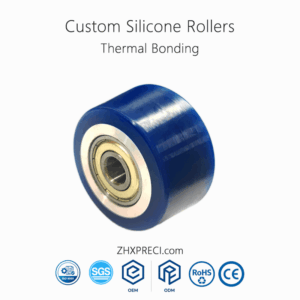
Blue Customized Silicone Rubber Coated Roller & High Quality Drive Guide Roller
Read more -
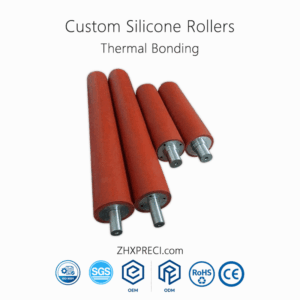
Custom Abrasion Resistant Silicone Coated Rollers Heavy Wear
Read more -
Custom Anti-Microbial Silicone Rollers Hygiene Grade
Read more -
Custom Anti-Static Silicone Coated Rollers Electronic Use
Read more -
Custom ATEX Compliant Silicone Wheels Hazardous Area
Read more -
Custom Bearing Mounted Silicone Coated Rollers Quick Change
Read more -
Custom Bracket Mount Silicone Wheels Easy Installation
Read more -
Custom Cantilever Mounted Silicone Rollers Easy Access
Read more -
Custom CE Certified Silicone Rollers European Market
Read more -
Custom Chemical Resistant Silicone Coated Rollers Process Use
Read more -
Custom Cleanroom Compatible Silicone Rollers Particle Free
Read more -
Custom Cold Resistant Silicone Rollers Low Temperature
Read more -
Custom Compact Size Silicone Wheels Space Saving
Read more -
Custom Compression Resistant Silicone Rollers Durable Shape
Read more -
Custom Conductive Silicone Coated Rollers Static Elimination
Read more -
Custom Continuous Duty Silicone Coated Rollers High Torque
Read more
Custom Anti-Static Silicone Rubber Wheels: Technical Overview, Material Properties, and Selection Guide for Industrial Applications
In precision manufacturing, semiconductor cleanrooms, medical device assembly, and automated material handling systems, the control of electrostatic discharge (ESD) is a critical factor influencing product yield, equipment reliability, and operational safety. Custom anti-static silicone rubber wheels represent a specialized category of elastomer-based mobility solutions engineered to dissipate static charges safely, while offering the unique material advantages of silicone rubber: broad thermal operating range, exceptional compression set resistance, and chemical inertness. As a leading China OEM/ODM factory manufacturer supplier, ZHXPRECI provides tailored elastomer wheels and rollers that address the diverse technical requirements of B2B clients across the electronics, logistics, packaging, and pharmaceutical sectors.
This comprehensive technical guide examines the fundamental characteristics, performance parameters, customization variables, and application-specific considerations for anti-static silicone rubber wheels. The information presented is based on industry-standard material science and rubber engineering principles, aimed at assisting procurement specialists, design engineers, and plant managers in making informed technical decisions.
What are Anti-Static Silicone Rubber Wheels?
Anti-static silicone rubber wheels are mobility components that combine a silicone rubber tread or full core with integrated static-dissipative properties. The term "anti-static" in this context refers to the material's ability to prevent the accumulation of triboelectric charge and facilitate a controlled, safe path for static electricity to dissipate to the ground. Unlike conductive materials, which may pose short-circuit risks, or completely insulating materials, which allow charge buildup, these wheels are formulated to achieve a surface resistivity range typically between 10⁵ and 10⁹ ohms per square, conforming to international ESD standards such as ANSI/ESD S20.20 and IEC 61340-5-1.
The base silicone elastomer is compounded with specifically selected carbon blacks, conductive polymers, or metallic oxide additives. This careful formulation ensures that the anti-static characteristic is an inherent material property, evenly distributed throughout the wheel’s tread volume, rather than merely a topical coating that can wear away. This provides consistent static decay performance throughout the product lifecycle, a critical factor for equipment that experiences continuous rolling friction and surface abrasion.
How to Select the Optimal Custom Anti-Static Silicone Rubber Wheel?
Selecting the appropriate anti-static silicone rubber wheel requires a systematic evaluation of operating conditions, mechanical loads, and environmental factors. The following decision framework is widely used by engineers and technical buyers to specify custom elastomer wheels and rollers:
- Load Capacity and Dimensions: Determine the maximum static and dynamic load per wheel. This includes the weight of the equipment or cart, plus the transported payload. Standard engineering practice involves a safety margin to account for shock loads during movement over floor irregularities. Common wheel diameters range from 50 mm to 300 mm, with tread widths proportionally designed to distribute load without excessive indentation or rolling resistance.
- Surface Resistivity Requirements: Define the required resistance range for your specific ESD protection zone. For example, EPA (ESD Protected Area) workstations typically require wheels with a resistance to ground (Rtg) between 10⁶ and 10⁹ ohms to ensure slow, controlled dissipation of electrostatic charges, thereby preventing sudden discharge events that could damage sensitive components. ZHXPRECI can adjust the formulation to meet target resistivity values within these industry-standard corridors.
- Temperature and Environmental Exposure: Silicone rubber retains its elastomeric properties across an exceptionally wide thermal range, from approximately -40°C to +200°C. However, the specific additive package used to impart anti-static properties may affect the upper service temperature limit. Therefore, the final performance window is subject to the precise compound formulation and the dynamic operational thermal cycling profile. For environments involving exposure to oils, solvents, or aggressive cleaning agents, compatibility tests are recommended.
- Floor Surface and Tread Hardness: The Shore A hardness of the silicone tread influences traction, rolling resistance, and floor protection. Softer compounds (e.g., Shore A 50-60) provide better grip and shock absorption but may have higher rolling resistance. Harder compounds (e.g., Shore A 70-80) offer lower rolling resistance and increased load capacity but may transmit more vibration. Selecting the correct durometer involves a trade-off analysis between these factors relative to the specific floor type, such as epoxy, concrete, or anti-static tile.
What are the Distinctive Material Properties of Silicone Rubber in this Application?
Silicone rubber offers a unique combination of properties that distinguish it from other elastomers like polyurethane, neoprene, or nitrile rubber, especially when an anti-static function is required. These distinct characteristics make it the preferred choice for demanding industrial applications.
- Thermal Stability: Silicone's siloxane backbone provides outstanding resistance to temperature extremes. It does not become brittle at low temperatures nor soften excessively at elevated temperatures, ensuring consistent wheel performance in both cold storage facilities and high-temperature curing ovens or drying tunnels.
- Exceptional Compression Set Resistance: This property refers to the material's ability to return to its original thickness after being subjected to a compressive load for an extended period. Silicone rubber exhibits superior compression set resistance compared to many other elastomers. This ensures that the wheel maintains its shape and load-bearing surface integrity over time, preventing flat-spotting and uneven rolling.
- Chemical and UV Resistance: The material demonstrates good resistance to water, ozone, and ultraviolet radiation, making it suitable for outdoor or high-intensity lighting environments. However, its resistance to hydrocarbon-based oils and fuels is limited, which is a critical consideration in applications with potential lubricant exposure.
- Low Odor and Outgassing: High-quality silicone formulations used by manufacturers like ZHXPRECI exhibit low volatile organic compound (VOC) content and minimal outgassing. This is vital in cleanroom environments, food processing, and medical applications where contamination control is paramount.
What are the Critical Performance Parameters and Industry Standards?
To facilitate effective technical assessment, anti-static silicone rubber wheels are typically specified using several key metrics. These parameters are not absolute guarantees but are provided as typical values that can be optimized during the custom formulation and molding process.
- Surface Resistivity: Measured in ohms per square (Ω/□), this indicates the material's inherent resistance to electrical current flow across its surface. A range of 10⁵ to 10⁹ Ω/□ is generally accepted as the anti-static zone, effectively preventing the generation and retention of static charges.
- Volume Resistivity: Measured in ohm-centimeters (Ω·cm), this parameter describes the material's resistance to current flow through its bulk. For effective static dissipation, volume resistivity typically falls between 10⁴ and 10⁸ Ω·cm. This ensures that any static charge generated on the wheel's surface is conducted through the material to the grounding path, rather than solely relying on surface conduction.
- Static Decay Time: This performance test measures the time required for a static charge to dissipate from a specified initial voltage (e.g., 1000V) to a safe level (e.g., 50V). Decay times of less than 2 seconds are commonly required in sensitive electronics manufacturing environments.
- Applicable Standards: Products are typically referenced against frameworks like ANSI/ESD S20.20 for ESD control programs and IEC 61340-5-1 for electrostatic phenomena protection. Compliance with these standards provides a structured methodology for managing ESD risks in manufacturing and assembly facilities.
How Does Customization (OEM/ODM) Work for These Products?
As a China OEM/ODM factory manufacturer supplier, ZHXPRECI works closely with clients to engineer anti-static silicone rubber wheels that meet unique application-specific requirements. The customization process typically encompasses several variables.
- Geometric Design: This includes custom diameters, tread widths, hub configurations, and mounting hole patterns. Wheels can be designed for specific axle diameters, load capacities, and integration methods, such as flange mounts, expansion hubs, or custom bearings.
- Material Compounding: The base silicone formulation and anti-static additive package can be adjusted to achieve specific resistivity targets, hardness levels, and temperature resistance profiles. This approach ensures that the final product performs as required under its intended operational conditions.
- Core and Tread Integration: Options range from solid, full-silicone wheels to those with rigid plastic or metal cores with a bonded silicone tread. The choice depends on load requirements, thermal management, and cost considerations. Expert consultation with the engineering team is recommended to determine the most efficient design.
- Color and Marking: While ESD-safe formulations typically result in black or dark gray components, other colors may be available depending on the specific additive and pigment compatibility. Custom part numbering and logo marking can also be facilitated for large-scale procurement contracts.
What are the Key Application Areas for Anti-Static Silicone Rubber Wheels?
The unique combination of anti-static properties and silicone rubber characteristics makes these components indispensable in several specialized industries.
- Electronics and Semiconductor Manufacturing: In cleanrooms for wafer fabrication, assembly, and testing of microprocessors, displays, and sensors, these wheels are used on material carts, tool transfer vehicles, and automated guided vehicles (AGVs). They prevent triboelectric charging from friction with the floor and protect sensitive components from ESD damage, which can cause latent failures or immediate device breakdown.
- Medical Device and Pharmaceutical Production: Equipment carts used in sterile processing areas, packaging lines, and device assembly rooms benefit from the clean, non-marking, and low-outgassing nature of silicone. The anti-static property prevents dust attraction, thus reducing particulate contamination risks. Additionally, silicone's biocompatibility and ability to withstand regular cleaning cycles with mild disinfectants are significant advantages.
- Printing and Packaging Machinery: High-speed paper handling, film processing, and label application equipment often require rollers and wheels with precise traction and static control to prevent jams, misfeeds, and dust accumulation on surfaces. Anti-static silicone rollers help maintain process reliability and product quality.
- Aerospace and Defense Systems: In maintenance stands, test equipment carts, and precision handling systems for sensitive avionics and weapon guidance components, the reliable static dissipation and wide thermal operating range of custom elastomer wheels are valued for safety and operational effectiveness.
What are the Factors Influencing Lead Time and Delivery?
For B2B buyers, understanding the production timeline is essential for project planning. As a professional custom anti-static silicone rubber wheels OEM/ODM partner, ZHXPRECI bases project scheduling on a collaborative approach. The lead time for production is primarily subject to order quantity, current production schedule, and final specification confirmation. This dynamic scheduling allows for flexibility and ensures that each client's requirements are met without compromising the thoroughness of the engineering, tooling preparation, and quality assurance processes. Early engagement and the provision of detailed technical drawings and material specifications are the most effective means of optimizing the project timeline and ensuring alignment with the factory's production capacity.
Frequently Asked Questions (FAQ) for Technical Buyers and Engineers
Q1: Can anti-static silicone rubber wheels be used on all floor types without leaving marks?
Generally, silicone rubber is a non-marking elastomer, meaning it does not transfer color onto floor surfaces. However, the presence of certain additives for anti-static properties can have a minor influence. For critical applications on sensitive light-colored flooring, it is recommended to conduct a trial in a small area first to confirm compatibility. The floor finish, cleanliness, and rolling conditions also affect the final outcome.
Q2: How does the hardness of the silicone tread affect rolling resistance?
Softer tread compounds (lower Shore A values) exhibit higher rolling resistance because they deform more under load, creating a larger contact patch and greater hysteresis losses. Harder compounds (higher Shore A values) offer lower rolling resistance and higher load capacity but may compromise on shock absorption and floor protection. The optimal choice is a balanced decision based on the operating environment and required ergonomics.
Q3: What is the difference between "anti-static" and "electrically conductive" wheels?
"Anti-static" wheels have a controlled resistivity in the range of 10⁵ to 10⁹ Ω/□, allowing for slow, safe dissipation of static charges to prevent sudden ESD events. "Electrically conductive" wheels have a much lower resistivity (< 10⁵ Ω/□) and are used when a direct, low-resistance grounding path is required, such as in explosive environments (ATEX zones). Conductive wheels are typically not recommended for electronics handling due to the risk of rapid, high-current discharge.
Q4: How should anti-static silicone rubber wheels be properly maintained?
Routine inspection for wear, embedded debris, or surface damage is essential. Cleaning should be performed with a mild soap and water solution. Avoid the use of petroleum-based solvents, as these can degrade the silicone polymer and potentially affect its anti-static properties. The wheels should be kept clean of oils and heavy grease to ensure the static dissipative path remains effective.
Q5: What is the typical lifecycle of these wheels in a demanding industrial environment?
The operational lifecycle depends on a range of variables, including the load weight, floor roughness, travel distance, speed, and environmental temperature. While silicone rubber is durable and resistant to abrasion, the specific wear resistance is a function of the compound hardness and the applied load. As with all elastomer components, it is subject to normal wear and tear, and the replacement interval is best established through periodic inspection and data analysis of the actual application parameters.
Q6: Are these wheels suitable for use in cleanrooms below ISO Class 7?
Silicone rubber is a preferred material for cleanrooms due to its low particle shedding and outgassing characteristics. Anti-static silicone wheels can be manufactured and packaged in a manner that meets strict contamination control requirements. However, the final cleanliness validation should be performed in the context of the specific cleanroom classification and the user's own testing protocols.
Q7: How does temperature affect the anti-static properties?
The charge dissipation mechanism in silicone compounds is influenced by the mobility of the polymer chains and the conductive filler network. At extreme low temperatures, the material becomes stiffer, which may result in a slight increase in resistivity. At high temperatures, the resistivity may trend downward. The actual variation is formulation-dependent. For applications with significant temperature fluctuations, it is prudent to request test data based on the final specified operating range.
Q8: Can you manufacture wheels with a specific surface color other than black?
While black is the most common color for anti-static products due to the use of carbon-based additives, other colors may be possible with the use of alternative conductive fillers, such as specialized metallic oxides. This often involves additional development efforts and may have implications for cost and resistivity performance. This option is best explored during the initial consultation phase of an OEM/ODM project.
In summary, the engineering and procurement of Custom Anti-Static Silicone Rubber Wheels from ZHXPRECI represent a specialist area requiring a clear understanding of material science, ESD control principles, and application-specific demands. By carefully evaluating the technical parameters, engaging in collaborative design with the manufacturer, and maintaining realistic operational expectations, B2B buyers can secure a mobility solution that effectively supports their manufacturing precision and productivity goals. As a trusted China OEM/ODM factory manufacturer supplier, ZHXPRECI is positioned to provide custom elastomer wheels and rollers that meet these comprehensive technical challenges.