
Custom Swivel Silicone Rubber Wheels
Custom Swivel Silicone Rubber Wheels
Custom silicone swivel wheels: floor protection, thermal stability & load.
- 60-500kg load
- 50-85A Shore hardness
- 60-300mm dia
- -40 to +200°C temp
- ISO/REACH/RoHS cert
Showing 1–16 of 224 results
-
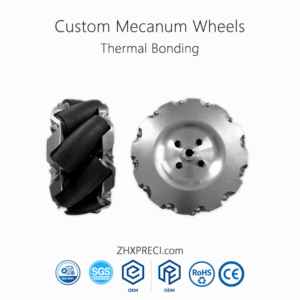
16inch 406mm Mecanum Caster Wheels 1200KG Payload Capacity Exclusive Polyurethane Formula New Aluminium Handling Equipment Farm
Read more -
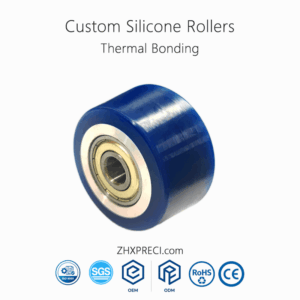
Blue Customized Silicone Rubber Coated Roller & High Quality Drive Guide Roller
Read more -
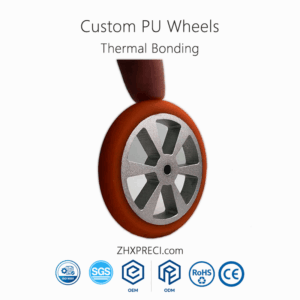
Custom Abrasion Proof PU Wheels For Sand Blasting Areas
Read more -
Custom Abrasion Resistant Polyurethane Wheels For Mining Carts
Read more -
Custom Abrasion Resistant Silicone Coated Wheels Heavy Duty Caster
Read more -
Custom Anti Static Silicone Coated Wheels
Read more -
Custom Anti-Slip Rubber Wheels with Rubber Coating for Wet Floor Surfaces
Read more -
Custom Anti-Static PU Wheels For Electronics Assembly
Read more -
Custom Anti-Static Rubber Rollers for Electronics Assembly
Read more -
Custom Anti-Static Rubber Wheels with Rubber Coating for Cleanroom Use
Read more -
Custom ATEX Compliant Polyurethane Wheels For Hazardous Areas
Read more -
Custom ATEX Compliant PU Wheels For Hazardous Areas
Read more -
Custom ATEX Compliant Silicone Wheels Hazardous Area
Read more -
Custom Bolt On Polyurethane Wheels For Utility Trailers
Read more -
Custom Bolt On Rubber Wheels with Rubber Coating for Equipment Mounting
Read more -
Custom Bolt-On PU Wheels For Easy Maintenance
Read more
Overview of Custom Swivel Silicone Rubber Wheels
In industrial mobility and material handling applications, the choice of wheel composition directly influences operational efficiency, floor protection, and equipment longevity. Custom swivel silicone rubber wheels combine the inherent flexibility of thermoset elastomers with the directional freedom offered by precision-engineered swivel casters. These components are frequently specified for environments where load-bearing capacity must coexist with non-marking properties, temperature resilience, and resistance to certain chemicals. As a product category, swivel silicone rubber wheels from a dedicated factory such as ZHXPRECI serve diverse sectors including medical equipment manufacturing, food processing, automated guided vehicles, and cleanroom logistics.
Material Science Behind Silicone Rubber Elastomer Wheels
Silicone rubber as a wheel material exhibits characteristics that distinguish it from polyurethane, nylon, or phenolic resin alternatives. The polymer backbone consists of silicon-oxygen bonds, which confer flexibility across a broad thermal operating window. For industrial wheels, silicone compounds can be formulated to achieve Shore A hardness values ranging from 50 to 80, with higher durometer grades supporting increased load capacities while maintaining floor-friendly contact surfaces. The inherent damping properties of silicone rubber contribute to reduced vibration transmission, which is beneficial for sensitive payloads or precision-guided equipment.
Custom Swivel Silicone Rubber Wheels from ZHXPRECI | China OEM/ODM Factory Manufacturer Supplier Custom Elastomer Wheels & Rollers are typically compounded with reinforcing fillers such as fumed silica to enhance tear strength and abrasion resistance. The thermal stability of silicone elastomers permits continuous operation in ambient conditions spanning -40 °C to +200 °C, although the actual upper service limit depends on the specific curing system and any additives incorporated. In terms of chemical resistance, silicone rubber generally performs well against water, ozone, and many polar solvents, but may exhibit swelling in contact with hydrocarbon oils or aromatic fuels.
Swivel Mechanism Design and Operational Parameters
The swivel functionality of these wheels is achieved through a bearing raceway system integrated into the caster housing. Double-ball bearing configurations are common for medium-duty to heavy-duty applications, providing smooth rotation and reduced wear over extended usage cycles. The swivel axis alignment, offset dimensions, and kingpin design contribute to the overall manoeuvrability of the wheel assembly. For automated or towed applications, low-friction swivel joints are critical to minimise steering effort and maintain directional stability.
When evaluating swivel silicone rubber wheels, engineers consider factors such as swivel radius, tread width, and overall diameter. The swivel mechanism can be fitted with a lock or brake option, which may be specified for applications requiring temporary stationarity. The mounting plate configurations - including top plate, stem, or expansion bolt types - influence compatibility with existing equipment frames.
Application Domains and Selection Criteria
Custom silicone rubber swivel wheels are deployed across a spectrum of industries. In hospital environments, they are used on beds, infusion stands, and diagnostic equipment due to their silent operation and floor protection characteristics. Food processing facilities value the non-toxic nature of food-grade silicone compounds, which comply with FDA regulations concerning incidental contact. In automated warehouses, swivel wheels facilitate precise positioning of mobile shelving units and robotic transport platforms.
Selection criteria for these components include load rating per wheel, floor surface type, frequency of movement, and exposure conditions. For dynamic applications, the dynamic load capacity is typically lower than the static load rating, and duty cycle data should be considered. The table below summarizes typical performance characteristics associated with different hardness grades:
| Hardness (Shore A) | Static Load Capacity Range (kg) | Recommended Floor Types | Typical Applications |
|---|---|---|---|
| 50-60 | 60-150 | Epoxy, polished concrete | Medical carts, display racks |
| 65-75 | 120-300 | Tile, wood, sealed surfaces | Food processing, lab equipment |
| 80-85 | 250-500 | Rough concrete, asphalt | Industrial trolleys, towing systems |
Customization Parameters for OEM and ODM Projects
For procurement specialists and design engineers seeking tailored solutions, Custom Swivel Silicone Rubber Wheels from ZHXPRECI | China OEM/ODM Factory Manufacturer Supplier Custom Elastomer Wheels & Rollers offer a wide range of variables. Colour customization is possible through the addition of pigments without degrading the elastomeric properties. Tread profile variations - such as flat, crowned, or grooved - can be specified to improve traction or debris ejection. The choice of insert materials, including aluminium hubs, stainless steel bearings, or nylon bushings, affects weight and corrosion resistance.
In OEM contexts, drawings and performance specifications are reviewed during the pre-production phase. Tolerance levels for diameter and width are typically maintained within ±1% of the nominal dimension, though tighter tolerances can be achieved subject to the selected manufacturing route. The surface finish of the silicone rubber can be matte, glossy, or textured depending on the mold condition and post-cure processes.
Industry Standards and Quality Benchmarks
Quality benchmarks for these wheels refer to industry norms such as ISO 22883 for caster performance testing and ASTM D2000 for rubber material classification. The silicone compounds employed are often formulated to meet REACH and RoHS compliance requirements, limiting the presence of restricted substances. For cleanroom applications, particle shedding tests may be conducted to verify that the wheel does not release harmful particulates.
It is worth noting that the static load capacity of a wheel is determined by the combination of hub material, bearing type, and tread composition. The design safety factor applied typically ranges from 2.0 to 3.0 over the rated load, accounting for dynamic impacts and uneven floor surfaces. For extreme environmental conditions involving repeated exposure to steam or sterilisation chemicals, peroxide-cured silicone grades may be recommended over platinum-cured alternatives due to differences in cross-link density.
Frequently Asked Questions (FAQ) for Silicone Swivel Wheels
What are the primary advantages of silicone rubber over polyurethane wheels?
Silicone rubber wheels exhibit superior high-temperature stability and exhibit less surface hardening over time compared to polyurethane. The elasticity modulus of silicone remains relatively constant across a wider temperature range, which means softer riding characteristics in cold storage environments. However, polyurethane generally offers higher cut and tear resistance for heavy loads or sharp debris. The selection depends on the specific operating conditions and required performance characteristics.
How to determine the appropriate hardness for a given application?
Hardness selection involves balancing load support with floor protection and rolling resistance. Softer compounds (50-60 Shore A) absorb vibrations better and cause less floor wear, but they have higher rolling friction. Harder compounds (70-85 Shore A) support heavier loads and roll easier, but may leave marks on sensitive flooring if the floor finish is soft. Practical testing on a sample section of the actual floor surface is often recommended to validate the choice.
What factors influence the swivel turning radius and manoeuvrability?
The swivel radius is influenced by the offset distance between the wheel centre and the kingpin axis. A larger offset allows better directional stability, while a smaller offset makes the caster more responsive to steering changes. Manoeuvrability is also affected by the bearing friction and the surface finish of the raceway. Regular maintenance, including lubrication of the swivel bearing, helps preserve the ease of rotation.
Can these wheels be used on sloped or inclined surfaces?
For sloped applications, it is necessary to consider the additional thrust load on the wheel bearings. The load capacity should be derated for slopes beyond 5 degrees unless the manufacturer specifies otherwise. Integrating wheel brakes or swivel locks is often suggested to prevent unintended movement on inclines.
How to evaluate the life expectancy of silicone rubber wheels?
The service life is primarily affected by the duty cycle, floor conditions, and environmental factors. Under regular use on smooth indoor surfaces, these wheels often last several years before tread wear becomes significant. Indicators for replacement include visible cracking, uneven wear patterns, or a noticeable increase in rolling resistance.
Are there specific cleaning and maintenance guidelines?
Cleaning can be performed with mild soap and water, avoiding harsh solvents that could degrade the silicone. For hygienic applications, steam cleaning is possible but should be limited to temperatures below the threshold specified in the material certificate. Regular inspection of the swivel bearing and axle fasteners helps ensure safe operation.
How to obtain custom-sized silicone rubber wheels for existing equipment?
Custom sizing typically requires the submission of a dimensional drawing or an existing sample for reference. Diameters, tread widths, and hub dimensions are adjusted to fit the existing mounting arrangement. The supplier can advise on the feasibility of producing specific sizes based on existing mold resources or the cost of new tooling.
What is the lead time for custom orders?
Lead times for custom swivel silicone rubber wheels are subject to order quantity, current production schedule, and final specification confirmation. For standard designs, production scheduling is reviewed upon receipt of purchase order and agreed upon mutually. For new developments involving prototyping and testing, the planning is coordinated to align with project milestones.
Are these wheels suitable for outdoor applications?
Outdoor usage introduces challenges such as UV exposure, moisture, and temperature variations. Special UV-stabilized silicone formulations can mitigate degradation from sunlight. However, for continuous outdoor exposure, engineers often evaluate the expected environmental stressors and may request accelerated aging test data.
Do the wheels produce noise during operation?
Silicone rubber inherently absorbs vibration, which contributes to quieter operation compared to hard plastic or metal wheels. However, noise can arise from the swivel bearing or floor surface irregularities. The overall acoustic performance depends on the bearing quality, tread hardness, and floor material.
How does temperature affect the performance of silicone rubber wheels?
Within the recommended temperature range, the mechanical properties remain fairly stable. At the lower end, the elastomer becomes stiffer, which increases rolling resistance and reduces shock absorption. At the upper end, excessive heat can accelerate cross-link scission and soften the material. Continuous exposure near the upper limits may reduce load-bearing capability.
What certifications are available for silicone rubber components?
Depending on the application, these wheels may be supplied with documentation confirming compliance with FDA 21 CFR 177.2600 for food contact, USP Class VI for medical devices, or UL recognition for fire resistance. The specific certification is matched to the intended use case, as each standard imposes distinct test protocols.
Can the silicone rubber be bonded to different hub materials?
Bonding to metallic hubs, such as aluminium or steel, is achieved through adhesive systems that are compatible with the silicone formulation. The bond strength is verified through peel and shear tests as part of quality control. For specific applications requiring corrosion resistance, stainless steel hubs are an option.
How to account for dynamic loads and impact forces?
In applications where equipment moves at speeds above 2 m/s or encounters obstacles, dynamic impact forces can be several times the static weight. A conservative approach involves applying a dynamic factor of 1.5 to 2.0 to the calculated load. Engineers may request fatigue testing to validate the wheel's performance under simulated operational conditions.
What is the recommended storage practice for silicone rubber wheels?
Storage should be in a cool, dry environment away from direct sunlight and ozone generating equipment. Stacking or deforming the tread area over long periods is not advisable to prevent permanent deformation. It is also prudent to rotate stock to ensure freshness of the elastomer.
Technical Considerations for Engineering Specification
Writing a specification for custom swivel silicone rubber wheels requires attention to dimensional tolerances, material grade, and performance verification methods. The specification should reference the relevant dimensional standards for the mounting interface and include acceptance criteria for radial runout and axial play. A sample inspection report may be requested to validate the manufacturing quality.
For projects requiring traceability, material batch records and manufacturing date codes can be applied to the wheel hub or tread. It is also common practice to request a pre-production sample for form, fit, and function approval before full-scale production. This sampling phase allows adjustments to be made without affecting the main schedule.
Environmental and Operational Sustainability
The silicone rubber used in these wheels is thermoset in nature, which means it cannot be remelted but can be recycled through mechanical grinding for use as filler in other applications. The manufacturing processes employed by suppliers aim to minimise waste through optimized mold designs and material utilisation. The longevity of silicone wheels contributes to product sustainability by reducing the frequency of replacement, thereby conserving resources over the equipment lifecycle.
From an operational perspective, the non-marking property of silicone rubber protects floor coatings, reducing the need for frequent floor resurfacing in warehouses and production areas. The low rolling resistance of properly selected compounds contributes to lower energy consumption for manually propelled or motorised equipment. These factors collectively support the goal of efficient and environmentally conscious industrial practices.
Supplier Evaluation and Partnership Considerations
When selecting a supplier for Custom Swivel Silicone Rubber Wheels from ZHXPRECI | China OEM/ODM Factory Manufacturer Supplier Custom Elastomer Wheels & Rollers, it is advisable to evaluate the manufacturer's production capacity, quality management system, and technical support capabilities. The ability to engage in early engineering collaboration often results in better product adaptation to specific equipment constraints. Suppliers who maintain in-house tooling and testing facilities can offer greater flexibility in development and faster iteration cycles.
Procurement managers are encouraged to request technical datasheets that clearly outline the physical properties, including tensile strength, elongation at break, and compression set. These data points, when compared across different compounds, provide a quantitative basis for comparison. Furthermore, visiting manufacturing facilities or requesting virtual audits can help assess the operational standards and consistency of the production environment.
Integration with Mobile Equipment and System Design
The integration of swivel silicone rubber wheels into existing material handling equipment may require adjustments to mounting heights or clearances, particularly when replacing wheels of different diameters. The overall stability of the system is affected by the wheelbase and the position of the swivel axes. For multi-wheel configurations, the alignment of all swivel casters should be verified to prevent steering conflicts or uneven load distribution. In some cases, a combination of fixed and swivel casters is employed to achieve a balance between directional control and manoeuvrability.
Concluding Technical Summary
Custom swivel silicone rubber wheels represent a versatile solution for applications demanding reliable mobility combined with floor protection and temperature resilience. Their engineering involves a careful selection of elastomer hardness, swivel mechanism design, and dimensional parameters to match the operational requirements. The availability of customization options allows these wheels to be tailored to specific OEM and aftermarket needs, contributing to optimized performance in diverse industrial settings.
Ultimately, the specification of these wheels is a decision that balances technical performance, durability, and total cost of ownership. By focusing on quantifiable properties and conducting thorough validation, engineers and procurement professionals can make informed choices that enhance the reliability and efficiency of their material handling systems.