
Custom Low Noise Silicone Rubber Wheels
Custom Low Noise Silicone Wheels
Custom silicone wheels for AGVs, medical carts & robots. Tailored durometer & tread.
- 30-350kg load
- 40-80A Shore
- 50-500mm dia
- -40-+150°C temp
- FDA & EU cert
Showing 1–16 of 77 results
-
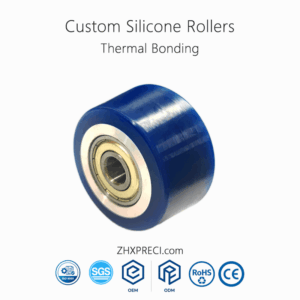
Blue Customized Silicone Rubber Coated Roller & High Quality Drive Guide Roller
Read more -
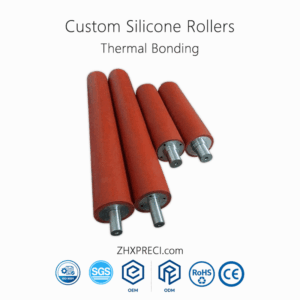
Custom Abrasion Resistant Silicone Coated Rollers Heavy Wear
Read more -
Custom Anti-Microbial Silicone Rollers Hygiene Grade
Read more -
Custom Anti-Static Silicone Coated Rollers Electronic Use
Read more -
Custom ATEX Compliant Silicone Wheels Hazardous Area
Read more -
Custom Bearing Mounted Silicone Coated Rollers Quick Change
Read more -
Custom Bracket Mount Silicone Wheels Easy Installation
Read more -
Custom Cantilever Mounted Silicone Rollers Easy Access
Read more -
Custom CE Certified Silicone Rollers European Market
Read more -
Custom Chemical Resistant Silicone Coated Rollers Process Use
Read more -
Custom Cleanroom Compatible Silicone Rollers Particle Free
Read more -
Custom Cold Resistant Silicone Rollers Low Temperature
Read more -
Custom Compact Size Silicone Wheels Space Saving
Read more -
Custom Compression Resistant Silicone Rollers Durable Shape
Read more -
Custom Conductive Silicone Coated Rollers Static Elimination
Read more -
Custom Continuous Duty Silicone Coated Rollers High Torque
Read more
Custom Low Noise Silicone Rubber Wheels – Technical Overview for B2B Buyers
Industrial wheels and rollers made from silicone rubber offer a distinct combination of acoustic damping, thermal stability, and chemical resistance that is difficult to replicate with standard polyurethane or thermoplastic elastomers. This category focuses on custom-engineered low‑noise silicone rubber wheels, primarily designed for material handling equipment, automated guided vehicles, cleanroom carts, medical devices, and precision assembly lines. As a product classification, “Custom Low Noise Silicone Rubber Wheels from ZHXPRECI | China OEM/ODM Factory Manufacturer Supplier Custom Elastomer Wheels & Rollers” represents a dedicated sourcing channel for buyers who require application‑specific durometer, tread geometry, and hub interface options.
What Defines a Low‑Noise Silicone Rubber Wheel?
A low‑noise silicone rubber wheel is characterised by its elastomeric compound formulation, which intrinsically absorbs vibrations and reduces rolling resistance noise compared to harder plastics or metals. The silicone base polymer, typically a high‑consistency rubber (HCR) or liquid silicone rubber (LSR), is compounded with fillers, crosslinkers, and processing aids to achieve a Shore A hardness range between 40 and 80, depending on the load and speed requirements. The “low‑noise” attribute is not a single specification but a system property that depends on tread pattern, wheel diameter, bearing type, and floor surface texture. In practice, a well‑designed silicone wheel can lower A‑weighted sound pressure levels by 8‑12 dB relative to standard nylon or cast iron wheels under identical operating conditions, based on industry‑accepted measurement methods (e.g., ISO 362‑1 for pass‑by noise, adapted for indoor machinery).
From a material science perspective, silicone rubber exhibits a high loss factor (tan δ) in the frequency range of 200‑2000 Hz, which covers most mechanical noise generated by wheel‑floor interaction. This inherent damping capacity, combined with its elastic recovery, makes silicone a preferred choice for environments where noise pollution must be controlled – such as hospitals, semiconductor cleanrooms, food processing plants, and quiet warehouse zones. Importantly, the noise reduction effect is more pronounced on smooth concrete or epoxy floors than on rough asphalt, so the final performance should always be validated with the specific floor type and duty cycle.
How to Select the Right Hardness for Your Application
Selecting the appropriate durometer is arguably the most critical decision when specifying custom low‑noise silicone rubber wheels. The Shore A scale provides a practical guideline: softer compounds (40‑55 A) offer superior vibration isolation and lowest rolling noise, but they have higher rolling resistance and reduced load capacity per unit area. Harder compounds (65‑80 A) support heavier loads and exhibit lower deformation under static conditions, yet they transmit more high‑frequency vibration to the chassis. For typical industrial trolleys with a load per wheel of 50‑150 kg, a 60‑65 A compound often balances noise reduction and rolling efficiency. For lighter medical carts (20‑50 kg per wheel), 50‑55 A is frequently specified to minimise patient‑disturbing noise. For heavy‑duty automated storage and retrieval systems (AS/RS) with loads exceeding 200 kg per wheel, a 70‑75 A compound with a reinforced base layer may be more appropriate. These values are based on common engineering practice and should be verified through prototype testing under actual operating conditions.
What Are the Temperature and Chemical Resistance Limits?
Silicone rubber wheels can typically operate continuously in ambient temperatures from ‑40 °C to +150 °C without significant loss of mechanical properties, provided the compound is properly formulated with heat‑stable additives. Short‑term excursions up to 180 °C are possible for certain grades, but sustained exposure above 150 °C may accelerate crosslink degradation. In terms of chemical resistance, silicone rubber is generally resistant to water, steam, ozone, UV radiation, and many polar solvents (e.g., alcohols, glycols). However, it is not recommended for contact with concentrated acids, alkalis, or hydrocarbon oils (petroleum‑based lubricants) as these can cause swelling or embrittlement. For applications involving aggressive cleaning agents or food‑grade environments, FDA‑compliant or EU 1935/2004 grades are available. Always consult the material data sheet for the specific compound, as additives like flame retardants or antistatic agents can modify these baseline properties.
How Does Customisation Work with an OEM/ODM Supplier?
Customisation of low‑noise silicone rubber wheels typically starts with a technical questionnaire covering the following parameters: wheel diameter (50‑500 mm), tread width (20‑150 mm), hub material (aluminium, steel, or engineering plastic), bearing type (ball, roller, or plain), axle bore size, load capacity per wheel, floor surface type, operating speed (m/min), duty cycle (hours/day), and environmental conditions. The OEM/ODM process at a factory like ZHXPRECI involves compound formulation adjustment, tooling design for the tread pattern, mould flow simulation, and prototype production. For small batch quantities (e.g., 100‑500 units), prototype samples can be produced after design freeze, while mass production timelines are determined upon order placement and capacity planning – the exact delivery schedule is subject to order quantity, current production schedule, and final specification confirmation. For larger volumes (1000+ units), the supplier may offer parallel tooling or multi‑cavity moulds to accelerate throughput, but final dates are always mutually agreed based on real‑time factory load.
Common Q&A for Procurement and Engineering Teams
Q: What is the typical load capacity for a low‑noise silicone rubber wheel?
A: Load capacity depends on wheel diameter, tread width, hardness, and hub design. As a general reference, a 125 mm diameter wheel with 40 mm tread width and 65 Shore A compound can support around 100‑120 kg at 0.8 m/s for 8 hours/day continuous operation. Larger sizes (200 mm diameter, 50 mm tread) may handle 250‑300 kg. However, these figures are indicative; the actual dynamic load capacity should be derived from finite element analysis and endurance testing, which we recommend as part of the customisation process.
Q: How to reduce rolling resistance while maintaining low noise?
A: Rolling resistance in silicone wheels is influenced by tread thickness, compound hysteresis, and surface texture. A concave tread profile (crown) reduces contact area and lowers rolling drag, while a flat or grooved tread increases traction but raises resistance. For a given hardness, a thinner tread layer (e.g., 8‑12 mm over a rigid core) reduces energy loss without compromising noise damping significantly. Additionally, using precision ball bearings (ABEC‑3 or higher) in the hub cuts frictional losses. We recommend a trade‑off analysis between noise target and energy efficiency, as the two properties are partially correlated.
Q: Are silicone rubber wheels suitable for outdoor use?
A: Silicone rubber has excellent UV and ozone resistance, so outdoor storage and intermittent use are acceptable. However, for continuous outdoor exposure with heavy rain or extreme temperature fluctuations, the compound should include anti‑degradation additives. Also, note that silicone wheels have lower abrasion resistance than polyurethane on rough concrete, so outdoor applications with frequent sharp turns may reduce service life. For such cases, a thicker tread or a dual‑durometer construction (hard core, soft skin) is advisable.
Q: Can these wheels be made electrically conductive or antistatic?
A: Yes, conductive silicone compounds can be formulated with carbon black or metal‑coated fillers to achieve surface resistivity below 10⁶ Ω for ESD‑safe environments. The antistatic version typically ranges between 10⁶ and 10⁹ Ω. It is important to specify the required resistance range and the testing standard (e.g., ASTM D257) during the initial enquiry, as the filler type affects both noise damping and hardness.
Q: What are the main differences between silicone and polyurethane wheels?
A: Silicone offers superior high‑temperature resistance (up to 150 °C continuous) and better low‑temperature flexibility (‑40 °C) than standard polyurethane (typically ‑20 to +80 °C). Silicone also has lower noise generation due to its higher internal damping, but polyurethane generally provides higher abrasion resistance and load‑carrying capacity per given size. Polyurethane is more susceptible to hydrolysis and UV degradation, while silicone is inherently stable. The choice depends on the operating environment and priority (noise vs. durability).
Q: How to install the wheel on existing equipment?
A: Most custom wheels are designed with standard bore sizes (e.g., 12 mm, 15 mm, 20 mm) and can be fitted with bushings or adapters. The hub interface may be plain bore, keyway, or splined, depending on the axle configuration. We recommend providing a detailed drawing of the axle and mounting bracket to ensure a seamless fit. If the existing equipment uses a specific caster series (e.g., Blickle, Tente, or Colson), we can match the dimensional standards.
Q: What is the typical service life of a silicone rubber wheel?
A: Service life is highly application‑dependent. Under moderate load (60‑70 % of rated capacity), smooth floors, and speeds below 1 m/s, a well‑compounded silicone wheel may last 3‑5 years of continuous 8‑hour shift operation. Factors that shorten life include excessive static loading, exposure to sharp debris, continuous high‑speed operation (>2 m/s), and frequent contact with oils or solvents. Regular inspection for tread wear, cracks, and bearing play is recommended. We can provide accelerated wear test data for your specific condition as part of the engineering support.
Q: Can the colour and surface finish be customised?
A: Yes, silicone wheels can be pigmented to any RAL or Pantone colour, though light colours may show dirt more readily. Surface finish can be smooth, matte, or with various tread patterns (chevron, diamond, or ribbed) to improve traction on inclined surfaces. Note that deep treads may slightly increase noise at higher speeds due to air pumping effects; our engineering team can simulate the noise impact before mould cutting.
Key Technical Parameters – Reference Table
| Parameter | Typical Range / Options | Remarks |
|---|---|---|
| Diameter | 50 – 500 mm | Custom increments of 5 mm |
| Tread width | 20 – 150 mm | Depending on load and stability |
| Shore A hardness | 40 – 80 A | ±5 A tolerance per ASTM D2240 |
| Temperature range | ‑40 °C to +150 °C | Continuous; peaks up to 180 °C |
| Dynamic load per wheel | 30 – 350 kg | At 0.8 m/s, 8h/day |
| Bearing types | Ball (shielded/sealed), roller, plain | With or without flange |
| Hub materials | Aluminium 6061, steel ST37, PA6, POM | Corrosion‑resistant coatings available |
| Surface resistivity (ESD) | 10⁴ – 10⁹ Ω | On request |
| Food contact compliance | FDA 21 CFR 177.2600, EU 1935/2004 | Available for medical/food use |
Design Considerations for Moulding and Tooling
Custom silicone wheels are typically manufactured by compression moulding, transfer moulding, or injection moulding, depending on the complexity and batch size. For medium to high volumes (>500 pieces), injection moulding offers better dimensional consistency and shorter cycle times. The mould design must account for silicone's high thermal expansion (approx. 2‑3 times that of steel) and low shrinkage (2‑4 % linear) – these factors influence the final diameter tolerance, which is usually held to ±0.5 mm for diameters up to 200 mm, and ±1.0 mm for larger sizes. Undercuts and side‑cores are possible but add tooling cost. We recommend that the hub insert be moulded‑in or bonded post‑cure, depending on the required bond strength. A post‑cure oven treatment (typically 4‑8 hours at 200 °C) is necessary to achieve full crosslinking and optimal mechanical properties.
Quality Assurance and Testing Protocols
Reputable manufacturers perform routine tests on each batch: tensile strength (ASTM D412), tear strength (ASTM D624), compression set (ASTM D395), and abrasion loss (DIN 53516). For low‑noise wheels, additional acoustic testing in a semi‑anechoic chamber with a standardized roller dynamometer is recommended, measuring A‑weighted sound pressure at 1 m distance and 1.0 m/s speed. Hardness and dimensional checks are performed on every moulded part. We also recommend customer‑specific validation tests, such as continuous run‑to‑failure or accelerated thermal ageing, to confirm the suitability for the intended duty cycle. All test results are documented and made available upon request.
Why Partner with an OEM/ODM Factory for Custom Elastomer Wheels
Working directly with an OEM/ODM manufacturer offers several advantages: control over compound formulation, flexibility in tread geometry, ability to match existing mounting interfaces, and cost efficiency for medium to large production runs. Custom Low Noise Silicone Rubber Wheels from ZHXPRECI | China OEM/ODM Factory Manufacturer Supplier Custom Elastomer Wheels & Rollers are designed to meet specific operational profiles – whether it is a cleanroom robot, a hospital bed, or an airport baggage cart. The direct dialogue between the buyer's engineering team and the factory's rubber chemists ensures that the final product aligns with the performance targets without over‑specifying or incurring unnecessary costs. Moreover, the factory can provide alternative material suggestions (e.g., EPDM, nitrile, or natural rubber) if silicone is not the optimal choice for your environment – a consultative approach that reduces trial‑and‑error on the customer side.
Practical Recommendations for First‑Time Buyers
For procurement professionals evaluating low‑noise silicone wheels for the first time, we suggest the following steps: (1) clearly define the maximum static and dynamic loads, (2) measure the average floor roughness and document any slopes or thresholds, (3) record the ambient temperature range and exposure to cleaning chemicals, (4) request a sample kit with three different hardness grades for side‑by‑side noise and rolling resistance tests on your actual floor, (5) evaluate the sample wheels over at least 200 hours of intermittent operation to detect any premature wear or bonding issues. This evidence‑based approach minimises the risk of selecting an inappropriate compound. The cost of custom tooling is typically amortised over production volume – for quantities above 1000 pieces, the per‑unit price becomes competitive with standard off‑the‑shelf wheels while offering bespoke performance.
Common Misconceptions and Clarifications
One frequent misconception is that softer silicone always equals quieter operation. While true for isolated impact noise, continuous rolling noise is also affected by tread pattern and floor roughness – a smoother tread on a rough floor may cause more contact‑induced vibration than a micro‑grooved tread. Another misconception is that silicone wheels do not mark floors. In fact, silicone can leave slight transfer films on highly polished surfaces under high loads; antistatic or low‑transfer compounds are available to mitigate this. Also, silicone is not inherently non‑marking in the sense of no black streaks – its colour can be customised, but the friction coefficient against clean epoxy is around 0.6‑0.8 (depending on hardness), which is similar to many rubbers. Always request floor‑marking test data if this is a critical criterion.
Integration with Automation and AGV Systems
In automated guided vehicles (AGVs) and autonomous mobile robots (AMRs), low‑noise wheels are increasingly specified to meet workplace noise regulations (e.g., EU 2003/10/EC or OSHA hearing conservation). Silicone wheels reduce the acoustic signature of the vehicle, which facilitates human‑robot collaboration in shared spaces. However, AGV wheels often require higher precision in concentricity and run‑out (≤0.3 mm TIR) to avoid encoder jitter. Our custom moulding process can achieve these tolerances with post‑machining of the hub and tread. For differential‑drive AGVs, the wheel tread should also have consistent friction in both forward and lateral directions to prevent scrubbing noise during turning – a feature that can be simulated and optimised during the design phase.
Final Technical Summary
Custom low‑noise silicone rubber wheels represent a mature, well‑characterised solution for noise‑sensitive industrial and medical environments. Their material properties – thermal resilience, chemical inertness, and high internal damping – are backed by decades of rubber engineering practice. However, successful implementation requires a systematic specification process, including load analysis, floor profiling, and prototype validation. The collaborative approach with an experienced OEM/ODM partner, such as ZHXPRECI, ensures that the final wheel design is neither over‑nor under‑engineered, and that delivery timelines are realistically planned based on mutual confirmation of order details and production capacity. We encourage buyers to engage early with the technical team to discuss the full range of customisation variables – from compound colour to hub attachment – so that the resulting product delivers reliable, low‑noise operation throughout its service life.