
Custom Heavy Load Silicone Rubber Wheels
Custom Heavy Load Silicone Rubber Wheels
Heavy-load silicone wheels for industrial use with thermal stability.
- 500-5000kg cap
- 40-85A Shore
- 100-600mm dia
- -40+230°C temp
- ISO/EN/FDA cert
Showing 1–16 of 48 results
-
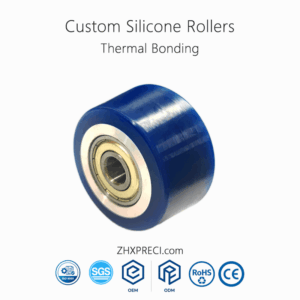
Blue Customized Silicone Rubber Coated Roller & High Quality Drive Guide Roller
Read more -
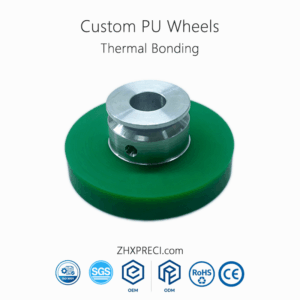
Custom Abrasion Resistant Rubber Wheels with Coating for Mining Equipment
Read more -
Custom Alkali Proof Rubber Wheels with Coating for Industrial Washers
Read more -
Custom Anti Vibration Rubber Wheels with Coating for Precision Instruments
Read more -
Custom Antistatic Rubber Wheels with Coating for Cleanroom Carts
Read more -
Custom ATEX Compliant Silicone Wheels Hazardous Area
Read more -
Custom Bracket Mount Silicone Wheels Easy Installation
Read more -
Custom Chemical Resistant Rubber Wheels with Coating for Laboratory Carts
Read more -
Custom Compact Size Silicone Wheels Space Saving
Read more -
Custom Corrosion Proof Rubber Wheels with Coating for Chemical Plants
Read more -
Custom Durable Rubber Wheels with Coating for Warehouse Operations
Read more -
Custom Easy Rolling Rubber Wheels with Coating for Shopping Carts
Read more -
Custom Extra Heavy Rubber Wheels with Coating for Crane Runways
Read more -
Custom Heat Resistant Rubber Wheels with Coating for Oven Conveyors
Read more -
Custom High Elasticity Rubber Wheels with Coating for Suspension Systems
Read more -
Custom High Traction Rubber Wheels with Coating for Tow Tractors
Read more
Heavy Load Silicone Rubber Wheels: Technical Overview for Industrial Applications
Engineered for demanding material handling and mobile equipment, heavy load silicone rubber wheels offer a distinct combination of high load-bearing capacity, thermal stability, and non-marking properties. Unlike standard polyurethane or rubber compounds, silicone elastomers maintain their mechanical characteristics across a broad service temperature range, typically from -40°C to +230°C, depending on the specific formulation. This makes them suitable for applications ranging from cold storage logistics to high-temperature curing ovens. The wheels discussed here are manufactured with a focus on dimensional precision, compound consistency, and structural integrity, serving sectors such as aerospace ground support, automated guided vehicles (AGVs), food processing, and pharmaceutical manufacturing. Custom Heavy Load Silicone Rubber Wheels from ZHXPRECI | China OEM/ODM Factory Manufacturer Supplier Custom Elastomer Wheels & Rollers are designed to meet rigorous operational demands while offering flexibility in design and material specification.
Defining Heavy Load in Silicone Rubber Wheels
In the context of industrial casters and wheels, "heavy load" refers to a wheel's capacity to support static and dynamic weights significantly above standard light-duty ratings. For silicone rubber wheels, heavy load classifications typically range from 500 kg to over 5,000 kg per wheel, depending on the core material, hub design, bearing type, and tread thickness. The load capacity is not a fixed attribute but a function of the wheel's geometric parameters—diameter, tread width, and hub configuration—along with the durometer (hardness) of the silicone compound. A higher durometer (e.g., 80 Shore A) generally increases load capacity but reduces shock absorption, while a lower durometer (e.g., 50 Shore A) provides better floor protection and noise reduction at the expense of higher rolling resistance. Load tests are conducted according to industry standards such as ISO 22883 or EN 12530, with results presented as safe working loads (SWL) based on a defined duty cycle. It is important to note that actual performance depends on environmental factors, floor surface conditions, and operational speed. For applications with variable loads or impact forces, engineers often apply a safety factor of 1.5 to 2.0 times the nominal load rating.
Key Material Characteristics of Silicone Elastomers for Wheels
Silicone rubber, as a thermosetting elastomer, offers inherent advantages over organic rubbers in terms of thermal resistance, oxidative stability, and chemical inertness. The polymer backbone consists of alternating silicon and oxygen atoms with organic side groups, which provide a unique combination of flexibility and strength. For heavy load wheel applications, silicone compounds are often reinforced with fumed silica or other fillers to enhance tensile strength, tear resistance, and abrasion resistance. The compression set resistance of silicone is particularly notable; under sustained loads at elevated temperatures, silicone wheels exhibit less permanent deformation compared to natural rubber or neoprene. This property translates to longer service life in applications involving stationary periods under load, such as support wheels in automated storage and retrieval systems. Furthermore, silicone's low surface energy reduces adhesion of contaminants, making these wheels suitable for cleanroom environments. The material's inherent dielectric properties also make it a candidate for applications where static discharge is a concern, though conductive or antistatic versions are available through the incorporation of carbon black or other conductive fillers. Custom Heavy Load Silicone Rubber Wheels from ZHXPRECI | China OEM/ODM Factory Manufacturer Supplier Custom Elastomer Wheels & Rollers are formulated to balance mechanical strength with environmental durability, ensuring reliable operation across diverse industrial settings.
Structural Design and Core Options
The structural integrity of a heavy load silicone wheel is determined by its core and hub design. Typical core materials include cast iron, ductile iron, steel, aluminum, or high-strength engineered thermoplastics. For the heaviest loads, a cast iron or steel core with a precision-machined hub and bearings is preferred, as it provides a rigid foundation that prevents tread separation and bearing misalignment. The silicone tread is chemically bonded to the core through a primer-adhesive system or mechanically interlocked via undercuts or dovetail grooves. The tread thickness varies depending on the load and floor conditions; thicker treads (e.g., 25 mm or more) offer better cushioning and are suitable for uneven surfaces, while thinner treads (e.g., 12-15 mm) are used for smooth floors where rolling resistance is a priority. Hub options include plain bore, roller bearings, tapered roller bearings, or precision ball bearings with seals to prevent ingress of dust and moisture. The selection of bearings influences the wheel's starting torque, speed capability, and maintenance interval. For very high loads or low-speed applications, solid journal bearings with hardened steel bushings may be specified. The design also considers axle diameter, flange dimensions, and bolt circle patterns to ensure compatibility with existing equipment. All design parameters are subject to final specification confirmation, with detailed engineering drawings provided for customer approval before production.
Performance Parameters and Testing Protocols
To provide reliable data for engineering evaluation, heavy load silicone rubber wheels are subjected to a series of performance tests in accordance with recognized standards. Static load testing measures the wheel's ability to withstand a specified load without exceeding a defined deflection or experiencing permanent damage. Dynamic load testing simulates continuous operation under load over a distance or time, measuring wear rate, temperature rise, and any changes in rolling resistance. Abrasion resistance is evaluated using a rotating drum or Taber abraser, with results expressed as volume loss per unit of distance. The coefficient of friction, both static and dynamic, is measured on various floor surfaces to determine the wheel's suitability for inclined or slippery conditions. Temperature cycling tests assess the adhesion between tread and core, as differential thermal expansion can cause separation in extreme environments. Salt spray and humidity tests are conducted for wheels used in outdoor or marine environments to evaluate corrosion resistance of metallic components. The results of these tests are compiled into technical datasheets that provide comprehensive performance curves and application guidelines. All data are presented as typical values based on standard test samples, acknowledging that actual performance may vary with specific operating conditions.
Application Areas and Industry Use Cases
The combination of high load capacity, temperature resistance, and clean operation makes heavy load silicone rubber wheels suitable for a wide array of industrial sectors. In the food and beverage industry, silicone wheels are used on racks and trolleys in ovens, freezers, and washdown areas due to their resistance to hot water, steam, and food-grade cleaning agents. Pharmaceutical manufacturing facilities utilize silicone wheels for equipment that requires regular sterilization, as the material withstands autoclaving and chemical disinfectants without degrading. In the aerospace sector, these wheels are deployed on ground support equipment such as tow bars, maintenance stands, and cargo loaders, where load stability and non-marking properties are critical to avoid damage to hangar floors. Automotive assembly lines use silicone wheels on AGVs that transport body panels and powertrain components, benefiting from reduced noise and vibration. The material's electrical insulation properties also make it suitable for wheels on equipment used in explosive atmospheres, where sparking from static discharge is a hazard. For outdoor applications, such as heavy-duty transport carts in ports or railway workshops, silicone wheels with UV-stabilized compounds and corrosion-resistant cores provide long-term durability. Each application may require specific adaptations in tread profile, hardness, or bearing type, all of which can be addressed through the customization process. Custom Heavy Load Silicone Rubber Wheels from ZHXPRECI | China OEM/ODM Factory Manufacturer Supplier Custom Elastomer Wheels & Rollers are frequently specified for these mission-critical environments due to their material reliability and design flexibility.
Customization Capabilities: Geometry, Hardness, and Color
One of the primary advantages of sourcing from a dedicated manufacturer is the ability to customize wheel parameters to match specific operational requirements. Geometry can be adjusted in terms of diameter (typically 100 mm to 600 mm or more), tread width (50 mm to 200 mm), and overall width. The durometer can be selected from a range of 40 to 85 Shore A, with higher values offering greater load support and lower rolling resistance, while lower values provide enhanced shock absorption and floor protection. Custom color matching is available for applications where wheel color serves as a visual indicator of load rating or department designation, using non-migratory pigments that do not bleed or fade under UV exposure. Tread profiles can be designed as flat, crowned, or grooved, depending on the need for traction, debris shedding, or floor conformity. For hygienic applications, a smooth, non-porous surface is preferred to prevent bacterial growth, while for outdoor or rough terrain, a tread with larger lugs or chevron patterns offers better grip. The hub can be configured with various mounting options, including stud types, expansion hubs, or quick-release mechanisms, to facilitate rapid installation and removal. Custom marking or engraving on the side of the wheel can include load ratings, part numbers, or company logos. All customization options are coordinated through a structured design review process, ensuring that the final product aligns with both functional requirements and manufacturing capabilities.
Quality Control and Material Traceability
Manufacturing processes for heavy load silicone wheels involve multiple stages, from raw material compounding to molding, vulcanization, machining, and final assembly. Quality control is integrated at each stage, with incoming inspection of raw materials including base polymer, fillers, curing agents, and metallic cores. Batch-to-batch consistency is monitored through rheological tests, specific gravity measurement, and hardness checks. During molding, parameters such as temperature, pressure, and cure time are recorded and controlled to ensure complete cross-linking and optimal physical properties. After molding, each wheel undergoes dimensional inspection using coordinate measuring machines (CMM) or laser scanners to verify concentricity, runout, and hub bore tolerance. Dynamic balancing is performed for wheels intended for higher speed applications to minimize vibration and bearing wear. Mechanical tests, including load deflection and adhesion peel tests, are carried out on sample wheels from each production lot. Material traceability is maintained through batch coding and comprehensive documentation, allowing for retrospective analysis in case of field performance issues. This rigorous approach ensures that every wheel meets the specified requirements, though it is acknowledged that no manufacturing process can eliminate all variations. Customers are provided with inspection reports and certificates of conformance upon request, facilitating their own incoming quality assurance procedures.
Installation, Maintenance, and Safety Considerations
Proper installation of heavy load silicone wheels is essential for achieving rated performance and service life. Axle bolts or pins must be appropriately sized and torqued to the manufacturer's recommendations to prevent bearing damage or wheel misalignment. The mounting surface must be clean, flat, and free of burrs or debris that could cause eccentric loading. For wheels with bearings, it is advisable to use a suitable lubricant and to ensure that seals are properly seated to protect against contamination. Regular maintenance includes periodic inspection of tread wear, bearing smoothness, and core integrity. Any significant wear patterns, such as flat spots or uneven tread removal, may indicate misalignment, overloading, or floor surface irregularities. Cleaning with mild detergents and water is generally sufficient; use of aggressive solvents or steam cleaners should be avoided as they may degrade the adhesive bond or damage the silicone surface. When replacing worn wheels, it is recommended to replace all wheels on a single equipment unit to maintain consistent rolling characteristics. Safety considerations include ensuring that the wheel's load rating exceeds the maximum anticipated load, including dynamic forces, and that the wheel is suitable for the specific floor type to prevent slipping or damaging the floor surface. Operators should be trained to avoid sudden impacts, sharp turning at high loads, and exposure to temperatures beyond the specified range. By adhering to these practices, users can maximize the operational lifespan and safety of their equipment.
How to Select the Right Heavy Load Silicone Wheel
Selecting the appropriate heavy load silicone wheel requires a systematic evaluation of application parameters. Begin by determining the total static and dynamic load that each wheel will support, factoring in load distribution and potential uneven loading. Next, assess the operating temperature range, considering both ambient conditions and heat generated by rolling friction. The floor surface type—smooth concrete, epoxy-coated, steel grating, or rough asphalt—influences the required tread hardness and profile. For conveyors or AGVs, the travel speed and acceleration rates affect bearing selection and dynamic load capacity. Environmental factors such as exposure to oils, chemicals, UV light, or washdowns dictate the need for specialized compounds or corrosion-resistant cores. The required noise level, especially in indoor or sensitive areas, may lead to selecting a softer tread compound, although this must be balanced against load capacity. Consider the frequency of movement; frequent movement with heavy loads requires wheels with low rolling resistance, while occasional movement may tolerate higher rolling resistance in exchange for better floor protection. Finally, evaluate the hub and bearing compatibility with existing axle systems, and whether any custom machining or adaptors are needed. By compiling this information and consulting with the manufacturer's engineering team, a specification can be developed that ensures optimal performance and cost-effectiveness. This consultative approach supports informed decision-making and avoids the pitfalls of under-specification or over-engineering.
Commonly Asked Questions about Heavy Load Silicone Wheels
What is the typical service life of a heavy load silicone rubber wheel under normal conditions?
Service life depends on numerous factors including load magnitude, travel distance, floor conditions, and maintenance practices. In typical indoor industrial environments with smooth floors and moderate loads, a well-designed silicone wheel may provide several thousand kilometers of service before requiring replacement. In more severe conditions, such as rough surfaces or high temperatures, the service life may be reduced. Regular inspection and measurement of tread thickness can provide a more accurate estimate based on actual wear rates.
How do silicone wheels compare to polyurethane wheels for heavy loads?
Both materials have distinct characteristics. Silicone offers broader temperature resistance (-40°C to +230°C) compared to polyurethane (typically -30°C to +80°C). Silicone also generally provides better non-marking properties and chemical resistance to acids and bases. Polyurethane, however, often provides higher load capacity for a given durometer and better abrasion resistance. The choice depends on the specific operating environment and priorities, such as temperature extremes versus wear resistance.
Can heavy load silicone wheels be used in food processing environments?
Yes, provided the silicone compound is manufactured with FDA-compliant ingredients and does not contain any prohibited plasticizers or fillers. Wheels intended for food contact areas should be certified to FDA 21 CFR 177.2600 or equivalent standards. Additionally, the wheel design should include sealed bearings and smooth surfaces to facilitate cleaning and prevent bacterial harborage.
What are the typical tolerances for diameter and width in custom wheels?
Typical tolerances are ±1% of the nominal diameter and ±0.5 mm on width, though tighter tolerances can be achieved with additional machining. The hub bore tolerance is generally H7 or better to ensure proper fit on axles. These tolerances are subject to agreement during the design phase and may vary based on the specific manufacturing process used.
How does temperature affect the load capacity of silicone wheels?
As temperature increases, silicone rubber softens, which reduces its load capacity for a given deflection. At temperatures above 150°C, a derating factor of approximately 20-30% may be applicable. Conversely, at very low temperatures, silicone becomes stiffer but retains its elasticity. Detailed load-temperature curves are available from the manufacturer to assist in derating calculations for extreme conditions.
What is the lead time for customized heavy load silicone wheels?
Lead time is determined by order quantity, current production schedule, and final specification confirmation. For non-standard specifications, an additional period may be required for tooling development and sample approval. Customers are encouraged to discuss their timeline requirements early in the ordering process to allow for mutually agreeable planning. The manufacturer commits to providing realistic delivery estimates based on actual factory capacity and material availability.
Are these wheels suitable for outdoor use in all weather conditions?
For outdoor use, wheels should be specified with UV-stabilized silicone compounds and corrosion-resistant cores such as stainless steel or galvanized steel. Even with these precautions, performance may be affected by extreme cold, ozone, and prolonged exposure to moisture. Regular maintenance and inspection are recommended to ensure continued safe operation. Custom Heavy Load Silicone Rubber Wheels from ZHXPRECI | China OEM/ODM Factory Manufacturer Supplier Custom Elastomer Wheels & Rollers can be configured with appropriate protection for outdoor service, subject to a review of the specific environmental conditions.
Can the wheels be supplied with conductive or antistatic properties?
Yes, by adding conductive fillers to the silicone compound, it is possible to achieve surface resistivity in the range of 10³ to 10⁶ ohms, which is sufficient for dissipating static charges. This is particularly important in electronics manufacturing or explosive environments. The required resistivity level must be specified, and testing is conducted to verify compliance.
How should worn silicone wheels be disposed of?
Silicone rubber is not readily biodegradable and should not be landfilled if alternative disposal methods are available. Some manufacturers offer take-back programs for recycling or energy recovery. Alternatively, the wheels can be disposed of as industrial waste in accordance with local environmental regulations. The metal cores can typically be recycled separately after the rubber is removed.
What is the minimum order quantity for custom wheels?
The minimum order quantity depends on the complexity of the design and the tooling requirements. For standard designs using existing molds, small quantities may be accepted. For custom sizes or compounds that require new tooling, a larger initial order may be necessary to amortize the tooling cost. Consult the manufacturer for specific policies and to explore options for prototyping.
Do you offer samples for testing before full production?
Sample wheels are available for evaluation purposes, typically at a nominal cost that is credited against future orders. This allows customers to perform their own testing and validation under actual operating conditions. Sample production is subject to current production schedule and material availability, with lead times communicated at the time of request.
Why Choose a Specialized OEM/ODM Manufacturer for Heavy Load Wheels
Partnering with a specialized manufacturer offers several advantages beyond standard product procurement. OEM (Original Equipment Manufacturer) and ODM (Original Design Manufacturer) capabilities mean that the manufacturer can develop a wheel specifically for the customer's equipment, ensuring optimal integration and performance. This collaborative approach encompasses material selection, structural design, and testing, resulting in a product that is not just a commodity but an engineered component. The ability to customize branding, packaging, and documentation further streamlines the customer's supply chain. Furthermore, direct access to the factory's engineering team facilitates rapid problem-solving and continuous improvement. With a focus on quality, consistency, and innovation, such partnerships support the development of reliable and efficient material handling solutions. Custom Heavy Load Silicone Rubber Wheels from ZHXPRECI | China OEM/ODM Factory Manufacturer Supplier Custom Elastomer Wheels & Rollers exemplify this collaborative engineering approach, delivering tailored solutions that address specific operational challenges.
Technical Data Summary for Reference
The following parameters are typical for heavy load silicone rubber wheels and are provided for general guidance. Actual values depend on the specific compound and wheel design.
- Hardness Range: 40 to 85 Shore A, with 60-70 Shore A being common for heavy load applications.
- Temperature Range: -40°C to +230°C, with continuous operation recommended within -20°C to +200°C.
- Tensile Strength: Typically 7-10 MPa, depending on reinforcement level.
- Tear Strength: 20-40 kN/m, measured using ASTM D624.
- Abrasion Loss: < 150 mm³, measured by DIN 53516.
- Compression Set: < 20% at 22 hours at 150°C, per ASTM D395.
- Load Range per Wheel: 500 kg to 5,000 kg, subject to wheel size and design.
Concluding Remarks on Selection and Integration
The selection of heavy load silicone rubber wheels should be approached as a technical decision, grounded in a clear understanding of the operational requirements and environmental conditions. The material's unique balance of thermal stability, load capacity, and floor protection makes it a suitable choice for a wide spectrum of industries, from food processing to heavy engineering. By collaborating with a manufacturer that offers comprehensive customization and testing capabilities, businesses can achieve a wheel solution that is precisely matched to their needs, thereby enhancing productivity and reducing total cost of ownership. The importance of proper installation and regular maintenance cannot be overstated, as these practices directly impact the safety and longevity of the equipment. With access to detailed technical data and engineering support, procurement specialists and design engineers can make informed evaluations, selecting the most appropriate wheel configuration for their specific applications. Ultimately, the goal is to integrate a wheel that not only meets the mechanical demands but also contributes to the overall efficiency and reliability of the material handling process.