
Custom With Brake Silicone Rubber Wheels
Custom Silicone Brake Wheels
Brake silicone wheels for controlled mobility & floor
- 50‑400kg load
- 40‑80A hardness
- 75‑300mm dia
- ‑60‑+200°C temp
- ISO/REACH/FDA cert
Showing 1–16 of 224 results
-
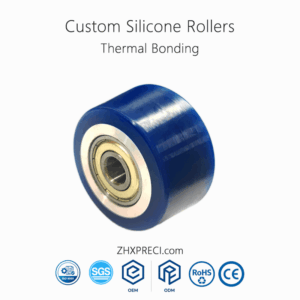
Blue Customized Silicone Rubber Coated Roller & High Quality Drive Guide Roller
Read more -
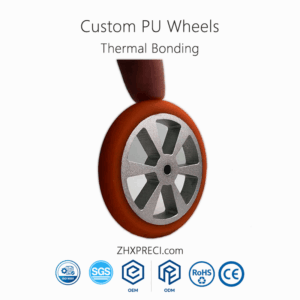
Custom Abrasion Proof PU Wheels For Sand Blasting Areas
Read more -
Custom Abrasion Resistant Polyurethane Wheels For Mining Carts
Read more -
Custom Abrasion Resistant Silicone Coated Wheels Heavy Duty Caster
Read more -
Custom Anti Static Silicone Coated Wheels
Read more -
Custom Anti-Slip Rubber Wheels with Rubber Coating for Wet Floor Surfaces
Read more -
Custom Anti-Static PU Wheels For Electronics Assembly
Read more -
Custom Anti-Static Rubber Rollers for Electronics Assembly
Read more -
Custom Anti-Static Rubber Wheels with Rubber Coating for Cleanroom Use
Read more -
Custom ATEX Compliant Polyurethane Wheels For Hazardous Areas
Read more -
Custom ATEX Compliant PU Wheels For Hazardous Areas
Read more -
Custom ATEX Compliant Silicone Wheels Hazardous Area
Read more -
Custom Bolt On Polyurethane Wheels For Utility Trailers
Read more -
Custom Bolt On Rubber Wheels with Rubber Coating for Equipment Mounting
Read more -
Custom Bolt-On PU Wheels For Easy Maintenance
Read more -
Custom Bracket Mount Silicone Wheels Easy Installation
Read more
Overview of Custom With Brake Silicone Rubber Wheels
In material handling and precision equipment, wheels with integrated braking mechanisms serve a critical role in operational safety and positional accuracy. The Custom With Brake Silicone Rubber Wheels category addresses applications where controlled motion, secure stopping, and floor protection are equally important. These wheels combine a durable silicone rubber tread with a reliable braking system, offering a solution that balances elasticity, traction, and holding force. Unlike standard polyurethane or nylon wheels, silicone rubber exhibits unique thermal stability and compression set resistance, making it suitable for environments with variable temperatures or where floor marking is a concern.
Custom With Brake Silicone Rubber Wheels from ZHXPRECI | China OEM/ODM Factory Manufacturer Supplier Custom Elastomer Wheels & Rollers are engineered to meet specific load, speed, and environmental conditions. The braking mechanism can be configured as either a total lock (wheel and swivel) or directional lock (wheel only), depending on the maneuverability requirements of the mobile equipment. This flexibility allows design engineers to specify braking performance that aligns with the ergonomic and safety standards of their machinery.
Key Technical Attributes of Silicone Rubber Wheels with Brakes
Silicone rubber as a wheel material offers a hardness range typically between 40 to 80 Shore A, providing a balance between shock absorption and rolling resistance. The material exhibits a useful operating temperature range from approximately -60°C to +200°C, which exceeds the capability of many conventional elastomers. This thermal resilience ensures that the brake mechanism and wheel integrity remain functional in both cold storage facilities and high-temperature processing areas. The coefficient of friction on dry surfaces is generally higher than that of polyurethane, contributing to effective braking performance without requiring excessive mechanical force.
The brake assembly itself is typically constructed from zinc-plated or stainless steel components to resist corrosion and wear. Engagement mechanisms may include cam-action or pedal-operated designs, each offering distinct advantages in terms of actuation effort and holding torque. For applications involving frequent repositioning, a positive-lock brake with a visual status indicator can be specified to reduce operator error.
What is a Custom With Brake Silicone Rubber Wheel?
A custom with brake silicone rubber wheel is a mobile component that integrates a tread made from vulcanized silicone rubber with an integral braking device. The wheel body, often manufactured from engineering plastics or lightweight metals, supports the silicone tire while housing the brake actuator. Customization extends to dimensions (diameter, tread width, hub bore), load capacity, brake type (total or directional), and color coding for organizational purposes. These wheels are not off-the-shelf items; they are developed in collaboration with a manufacturer to match the specific mounting, clearance, and performance criteria of a given application.
Common questions from procurement engineers include: What brake holding torque can be expected? How does silicone rubber perform in oily environments? Is the brake mechanism serviceable? In response, the holding torque is a function of the brake shoe material and actuation force, typically ranging from 10 N·m to 50 N·m for medium-duty wheels. Silicone rubber shows good resistance to many oils and solvents, though prolonged exposure to hydrocarbons may cause swelling—a consideration for application design. The brake mechanism is generally serviceable, with replaceable friction pads and accessible adjustment points.
How to Select the Right Custom With Brake Silicone Rubber Wheel
Selecting an appropriate wheel involves evaluating load capacity, floor type, frequency of movement, and environmental factors. The first step is to determine the maximum static and dynamic loads per wheel, accounting for weight distribution and acceleration forces. For example, a cart with a total load of 400 kg on four wheels would require each wheel to support at least 100 kg, with a safety factor often applied. Next, assess the floor surface: silicone rubber provides excellent traction on smooth concrete, tile, and coated floors, with minimal marking or scuffing.
The brake type selection hinges on whether the application requires locking both the wheel rotation and swivel action (total lock) or only the wheel rotation (directional lock). Total locks are preferred for equipment that must remain stationary on inclines or during loading. Directional locks are suited for straight-line movement control. Additionally, the brake actuation method—hand lever, foot pedal, or remote cable—affects operator convenience and should be chosen based on the equipment's usage cycle.
Common Applications and Industry Use Cases
Silicone rubber wheels with brakes are found across diverse sectors, including medical equipment (hospital beds, surgical stands), food processing (trolleys, conveyor systems), cleanroom environments, and automated guided vehicles (AGVs). In medical applications, the non-marking nature and noise-dampening properties of silicone are highly valued. Food industry uses benefit from the material's resistance to washing agents and ability to withstand steam cleaning. Cleanroom specifications often require low-outgassing materials, and silicone rubber can be formulated to meet these standards.
Other frequent applications include laboratory instrument carts, portable display stands, and lightweight industrial racking. The braking function is particularly important for workstations where tools or materials must remain stable during use, preventing unintended movement that could cause spills or equipment damage.
Material Comparisons: Silicone Rubber vs. Polyurethane and Nylon
When evaluating wheel materials, silicone rubber offers distinct advantages over polyurethane and nylon in specific conditions. Polyurethane wheels provide high load capacity and abrasion resistance but may become brittle at low temperatures and lose traction on wet floors. Nylon wheels are hard and offer low rolling resistance, yet they can damage sensitive flooring and produce noticeable noise. Silicone rubber sits between these extremes: it maintains flexibility across a wide temperature range, absorbs shock effectively, and operates quietly. However, its load capacity is generally lower than similarly sized polyurethane wheels, so applications with heavy loads may require larger diameters or multiple wheels.
For braking performance, silicone's higher coefficient of friction on dry surfaces allows for more effective stopping with less mechanical advantage. This can reduce the required force for brake actuation, enhancing operator comfort. The compression set resistance of silicone ensures that the tread retains its shape after prolonged stationary periods, preventing flat spots that can cause vibration during subsequent movement.
Customization Options and Engineering Considerations
Custom With Brake Silicone Rubber Wheels from ZHXPRECI | China OEM/ODM Factory Manufacturer Supplier Custom Elastomer Wheels & Rollers offer a broad spectrum of customization parameters. Diameter sizes commonly range from 75 mm to 300 mm, with tread widths from 25 mm to 100 mm. The silicone compound can be adjusted for hardness, color, and specific additive packages—such as flame retardants, antistatic agents, or oil resistance enhancers. Bearing types include precision ball bearings, roller bearings, or sleeve bearings, each influencing rolling resistance and speed capabilities.
Engineering considerations also extend to the brake mechanism's integration. Brake activation can be designed for spring-loaded engagement with manual release, or friction-based with a locking cam. The mounting interface—such as plate, stem, or bolt-on—must be compatible with the equipment frame. Design teams are encouraged to provide detailed load profiles, operating temperature ranges, and floor conditions to facilitate a tailored design that meets both functional and regulatory standards.
Maintenance and Longevity of Silicone Rubber Wheels
Proper maintenance significantly extends the service life of silicone rubber wheels and their brake systems. Routine inspections should include checking for debris accumulation around the brake mechanism, which can impede engagement. The silicone tread should be cleaned with mild soap and water; harsh solvents may degrade the material. Brake actuation components, especially pivot points and friction surfaces, benefit from periodic lubrication with a non-petroleum-based lubricant to maintain smooth operation.
Signs of wear include reduced brake holding power, uneven tread wear, or cracking of the silicone rubber. In many cases, the brake friction pad can be replaced without replacing the entire wheel assembly, offering a cost-effective maintenance strategy. The operational environment also influences longevity: exposure to UV light, ozone, or extreme temperatures may accelerate aging, necessitating earlier replacement intervals. Manufacturers typically provide guidelines based on average usage patterns, but actual life will vary with application severity.
Performance Testing and Quality Assurance
Reputable manufacturers subject silicone rubber wheels with brakes to a series of performance tests to verify compliance with specifications. These may include dynamic load testing, brake holding torque measurement, rolling resistance evaluation, and accelerated aging tests. Dimensional accuracy and concentricity are checked to ensure smooth rotation and consistent engagement. Testing standards often reference ISO or ASTM norms, providing a benchmark for comparing different products.
For customers requiring traceability, inspection reports and test certificates can be provided as part of the quality documentation. It is advisable to discuss testing protocols during the specification phase to align expectations with the manufacturer's capabilities. Third-party testing may also be arranged for critical applications, though this typically extends the development timeline.
Cost Factors and Value Assessment
The total cost of ownership for custom with brake silicone rubber wheels extends beyond the initial purchase price. Factors such as wheel durability, maintenance frequency, downtime costs for replacements, and floor damage prevention contribute to the economic evaluation. While silicone rubber wheels may have a higher upfront cost compared to standard nylon or polyurethane alternatives, their superior performance in temperature-sensitive or floor-sensitive applications can justify the investment.
Customization costs are influenced by the complexity of the design, the quantity ordered, and the required lead time. Engaging in early design collaboration with the manufacturer can help optimize the wheel configuration for both performance and cost efficiency. Volume discounts are typically available for larger production runs, making these wheels a viable option for both prototyping and full-scale manufacturing.
Environmental and Regulatory Compliance
Silicone rubber is generally considered an environmentally compatible material, as it does not contain plasticizers that can leach out over time. Many formulations are RoHS compliant and can be produced with food-contact approvals (FDA or EU equivalent) upon request. The brake components, depending on the chosen material, may also need to meet specific directives regarding heavy metals and surface coatings.
For applications with sustainability goals, the recyclability of silicone rubber components is an emerging consideration. While currently less commonly recycled than some thermoplastics, initiatives are underway to develop efficient recycling pathways. Manufacturers are encouraged to provide information on the environmental footprint of their products and any take-back programs that may exist.
Frequently Asked Questions
What load capacity can be expected from custom silicone rubber wheels with brakes?
Load capacities vary based on wheel diameter, tread width, and compound hardness. Typical ranges are from 50 kg to 400 kg per wheel, with higher capacities achievable through custom design and construction. It is essential to refer to the specific load table provided by the manufacturer based on the chosen configuration.
How does the brake system work and what types are available?
The brake system operates by applying friction to either the wheel tread or a dedicated brake drum, preventing rotation. Types include total lock (locks wheel and swivel) and directional lock (locks wheel only). Actuation can be manual, foot-operated, or remotely controlled, depending on the application ergonomics.
Can these wheels be used on inclined surfaces or ramps?
Yes, provided that the brake holding torque is sufficient for the load and angle of the incline. It is recommended to specify the incline angle and load during the design phase so that the brake mechanism can be appropriately sized. For steep ramps, additional safety features such as wheel chocks may be advisable.
Are silicone rubber wheels suitable for outdoor use?
Silicone rubber has good UV resistance but prolonged exposure to direct sunlight and weather conditions may reduce its useful life. For outdoor applications, consider wheels with UV-stabilized compounds and corrosion-resistant brake components. Storage indoors when not in use can mitigate environmental degradation.
How long does the brake mechanism last before needing replacement?
The service life of the brake mechanism is subject to order quantity, current production schedule, and final specification confirmation, as well as usage frequency and environmental conditions. With regular maintenance, the friction elements can often exceed 10,000 actuation cycles. Replacement of wear parts is a straightforward procedure.
What are the minimum order quantities and typical lead times?
Minimum order quantities vary by size and complexity, typically starting from a few dozen units for standard configurations. Regarding lead time, it is subject to order quantity, current production schedule, and final specification confirmation, so prospective buyers are encouraged to consult directly with the manufacturer for a tailored timeline.
How do I obtain a sample or prototype wheel?
Sample and prototype requests can be submitted with detailed specifications. Manufacturers often provide prototyping services to validate the design before committing to full production. This phase includes dimensional checks and performance verification to ensure the wheel meets all requirements.
What mounting options are available for these wheels?
Mounting options include top plates, bolt-on stems, expansion stems, and threaded inserts, among others. The choice depends on the equipment's mounting interface and the required load distribution. Custom adapters can also be designed for non-standard connections.
Can the wheels be customized with specific colors or markings?
Yes, silicone rubber can be pigmented to match corporate colors or to indicate load ratings. Laser etching or molded markings on the tread or hub can provide identification and traceability, aiding in inventory management and quality control.
Are these wheels compatible with automated guided vehicle systems?
Many AGV systems benefit from the low rolling resistance and silent operation of silicone rubber wheels. The brake mechanism can be integrated with AGV control systems for automated parking or emergency stopping. Compatibility should be confirmed through load and motion analysis with the AGV manufacturer.
Conclusion and Recommendations
Custom With Brake Silicone Rubber Wheels present a reliable option for applications requiring controlled mobility, floor protection, and thermal stability. Custom With Brake Silicone Rubber Wheels from ZHXPRECI | China OEM/ODM Factory Manufacturer Supplier Custom Elastomer Wheels & Rollers offer extensive customization to align with specific operational demands. When selecting such wheels, it is prudent to prioritize load analysis, environmental conditions, and maintenance access to ensure optimal performance over the product's lifespan. Engaging with a manufacturer early in the design process facilitates a solution that balances performance, cost, and regulatory compliance.
By addressing the technical aspects outlined above, B2B buyers and engineers can make informed decisions that enhance equipment functionality and operational safety.