
Custom Corrosion Resistant Omni Wheels
Custom Corrosion Resistant Omni Wheels
Custom omni wheels for wet/chemical use, omnidirectional & corrosion-resistant.
- 30‑500kg load
- 35‑99A Shore
- 48‑259mm dia
- -30‑+120°C temp
- ISO/REACH cert
Showing 1–16 of 47 results
-
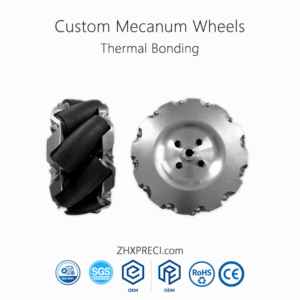
16inch 406mm Mecanum Caster Wheels 1200KG Payload Capacity Exclusive Polyurethane Formula New Aluminium Handling Equipment Farm
Read more -
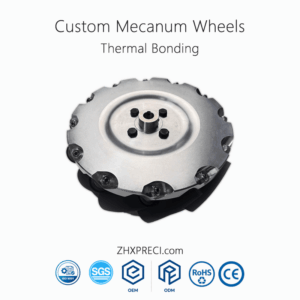
6 Inch Mecanum Wheel for AGV Robot Omni Directional Drive System High Precision Control Smooth Movement Stable Performance
Read more -
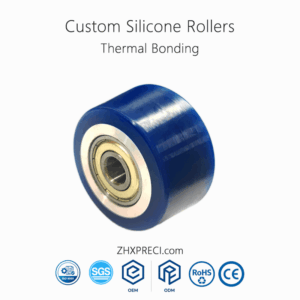
Blue Customized Silicone Rubber Coated Roller & High Quality Drive Guide Roller
Read more -
Custom ATEX Compliant Silicone Wheels Hazardous Area
Read more -
Custom Bracket Mount Silicone Wheels Easy Installation
Read more -
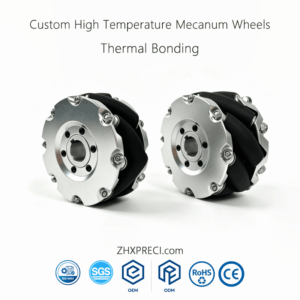
Custom CE Certified High Temperature Mecanum Wheels
Read more -
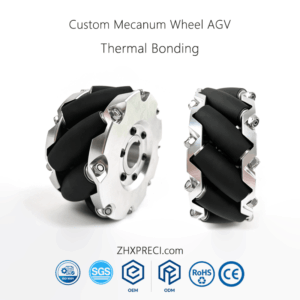
Custom CE Certified Mecanum Wheel AGV
Read more -
Custom Compact Size Silicone Wheels Space Saving
Read more -
Custom Corrosion Resistant High Temperature Mecanum Wheels
Read more -
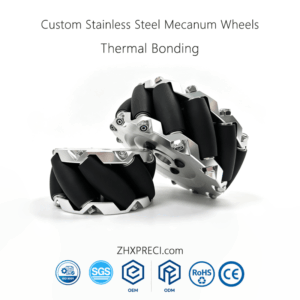
Custom Explosion Proof Heavy Duty Mecanum Wheels
Read more -
Custom Explosion Proof Mecanum Wheel AGV
Read more -
Custom Explosion Proof With Brake Mecanum Wheels
Read more -
Custom Flanged Type Mecanum Wheel RC Car
Read more -
Custom Flanged Type Stainless Steel Mecanum Wheels
Read more -
Custom Galvanized Stainless Steel Mecanum Wheels
Read more -
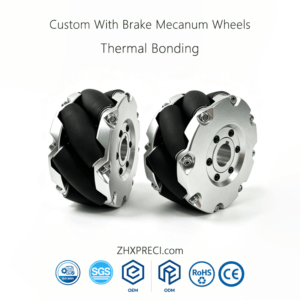
Custom High Speed Mecanum Wheel RC Car
Read more
Understanding Custom Corrosion Resistant Omni Wheels
Custom corrosion resistant omni wheels represent a specialized category of omnidirectional wheel technology engineered for environments where exposure to moisture, chemicals, cleaning agents, or corrosive substances is a routine operational condition. Unlike standard omni wheels that may utilize conventional steel components susceptible to oxidation and degradation, corrosion resistant variants incorporate materials such as stainless steel, engineered polymers, polyamide, and corrosion-proof coatings to maintain structural integrity and functional performance over extended service intervals.
An omni wheel, fundamentally, is a wheel with multiple small rollers—often referred to as peripheral rollers—arranged around its circumference, typically oriented perpendicular to the wheel's primary rotational axis. This configuration enables the wheel to move not only forward and backward but also laterally and diagonally without requiring the entire wheel assembly to swivel or reorient. The rollers facilitate instantaneous directional changes, making omni wheels particularly suitable for applications requiring high maneuverability in constrained spaces.
What Distinguishes Corrosion Resistant Omni Wheels from Standard Omni Wheels?
The primary differentiator lies in material selection and surface treatment. Standard omni wheels may employ carbon steel axles or untreated metal components that are vulnerable to rust when exposed to humidity, washdown procedures, or chemical environments. Corrosion resistant omni wheels, by contrast, utilize:
- Stainless steel axles and pins – 304 or 316 grade stainless steel provides substantial resistance to oxidation and chemical attack. Some designs feature stainless steel journals that eliminate corrosion concerns in demanding applications.
- Engineered polymer housings – Polyamide (nylon) and polypropylene housings offer inherent corrosion resistance without the need for additional coatings or treatments. The injection-molded web-like structure common in many corrosion resistant omni wheels contributes both lightweight properties and impact resistance.
- Corrosion-proof coatings – PTFE coatings can reduce friction coefficients to approximately 0.04 to 0.06 while simultaneously providing a protective barrier against corrosive media.
- Elastomer rollers – Polyurethane (PU) and thermoplastic elastomer (TPE) rollers exhibit resistance to many oils, greases, and chemicals while maintaining their mechanical properties across a range of operating temperatures.
What Are the Typical Technical Specifications for Corrosion Resistant Omni Wheels?
Technical parameters vary significantly based on wheel diameter, roller configuration, and intended application. Industry-standard specifications commonly observed include:
- Wheel diameters – Commonly available in 48 mm, 80 mm, 125 mm, and larger sizes up to 259 mm (approximately 10 inches)
- Load capacities – Range from approximately 50 N (roughly 5 kg) for smaller 48 mm wheels to 250 N (approximately 25 kg) for 80 mm variants, with heavy-duty configurations supporting up to 500 kg per wheel under static conditions
- Operating temperature ranges – Generally span from -30°C to +120°C for continuous duty, though specific ranges depend on material composition. Polyurethane components typically perform optimally between -40°F and +200°F (approximately -40°C to +93°C)
- Roller hardness – Expressed in Shore A durometer, typically ranging from 35A (softer, higher traction) to 99A (harder, higher load capacity)
- Bearing types – Double-sealed ball bearings (such as 608ZZ series) or slide bearings, depending on the specific design and load requirements
It should be noted that load capacity figures are generally specified under controlled conditions and may be influenced by factors including operating speed, temperature, surface conditions, and the specific mounting configuration employed.
How Do Corrosion Resistant Omni Wheels Compare with Mecanum Wheels?
Both omni wheels and Mecanum wheels enable omnidirectional movement, but they achieve this through different mechanical arrangements. Mecanum wheels feature rollers mounted at a 45-degree angle to the wheel's rotational axis, whereas omni wheels have rollers oriented perpendicularly. This distinction has practical implications:
- Maneuverability – Both wheel types support holonomic motion, enabling vehicles to move in any direction without reorientation
- Slope performance – Mecanum wheels generally offer superior performance on inclined surfaces, as omni wheels may experience lateral sliding due to roller orientation on steeper gradients
- Motor requirements – Omni wheel configurations can sometimes operate with fewer motors than Mecanum setups, depending on the drive arrangement
- Cost and complexity – Omni wheels typically present a simpler structure and lower cost compared to Mecanum wheels
For applications where corrosion resistance is a primary concern, both technologies can be implemented with appropriate materials—stainless steel components, polymer housings, and corrosion-resistant rollers are available for both wheel types.
What Materials Are Commonly Used in Corrosion Resistant Omni Wheel Construction?
The material selection for corrosion resistant omni wheels directly influences their performance characteristics, service life, and suitability for specific environments:
- Wheel housings and cores – Polyamide (PA66) offers a balance of strength, lightweight properties, and corrosion resistance. Polypropylene (PP) provides similar benefits with slightly different mechanical properties. For higher load requirements, aluminum alloy cores with corrosion-resistant treatments are available
- Rollers – Polyurethane (PU) is widely used for its abrasion resistance, load-bearing capacity, and chemical resistance. Thermoplastic elastomers (TPE) offer good grip and noise reduction properties. Polyamide rollers are also common in certain configurations
- Axles and fasteners – Stainless steel (304 or 316 grade) is the standard choice for corrosion resistance, with some designs incorporating stainless steel pins exclusively
- Bearings – Sealed bearings with corrosion-resistant lubricants help maintain smooth operation in challenging environments
Custom Corrosion Resistant Omni Wheels from ZHXPRECI | China OEM/ODM Factory Manufacturer Supplier Custom Elastomer Wheels & Rollers offers material flexibility to match specific operational requirements, with options including stainless steel axles, polyamide housings, and polyurethane rollers in various durometer ratings.
What Are the Primary Applications for Corrosion Resistant Omni Wheels?
Corrosion resistant omni wheels find application across a diverse range of industries and use cases:
- Food processing and packaging – Regular washdown procedures and exposure to cleaning agents necessitate corrosion-resistant components
- Chemical and pharmaceutical facilities – Resistance to acids, solvents, and other corrosive substances is essential
- Automated guided vehicles (AGVs) and autonomous mobile robots (AMRs) – Omnidirectional movement capabilities enable precise navigation in warehouses and production facilities
- Conveyor systems and material handling – Omni wheels facilitate multidirectional product flow in sorting and assembly lines
- Medical equipment and hospital environments – Corrosion resistance, low noise, and cleanability are important considerations
- Marine and wet environments – Exposure to saltwater and high humidity requires robust corrosion protection
- Robotics and automation – Educational, research, and industrial robotics platforms frequently employ omni wheels for holonomic mobility
How to Select the Appropriate Corrosion Resistant Omni Wheel for a Specific Application?
Selection involves evaluating several interrelated factors:
- Load requirements – Determine both static and dynamic loads the wheel must support. Heavier loads generally require larger wheel diameters and harder roller materials
- Environmental conditions – Identify the specific corrosive agents present (moisture, chemicals, salts, cleaning agents) and select materials with documented resistance to those substances
- Operating temperature range – Ensure the wheel materials can maintain performance across the expected temperature spectrum
- Surface conditions – Consider floor or track surfaces, including smoothness, debris presence, and any required surface protection properties (non-marking rollers)
- Mounting and integration requirements – Bushing patterns, shaft diameters, and mounting interfaces must align with the host equipment
- Roller hardness – Softer rollers (lower Shore A values) offer better traction and shock absorption but may compromise load capacity. Harder rollers support greater loads but may transmit more vibration
Custom Corrosion Resistant Omni Wheels from ZHXPRECI | China OEM/ODM Factory Manufacturer Supplier Custom Elastomer Wheels & Rollers can be tailored to address specific application requirements through material selection, dimensional customization, and roller configuration options.
What Are the Key Advantages of Corrosion Resistant Omni Wheels?
- Extended service life – Resistance to corrosion reduces premature failure from environmental degradation
- Reduced maintenance requirements – Corrosion-resistant materials minimize the need for frequent replacement or protective treatments
- Consistent performance – Maintaining dimensional stability and smooth operation over time supports reliable system operation
- Hygiene and cleanability – Materials that resist corrosion also tend to support effective cleaning and sanitization protocols
- Omnidirectional maneuverability – The fundamental omni wheel design enables movement in any direction, reducing the space required for turning and positioning
- Load stability – Unlike swivel casters that rely on a pivoting bracket, omni wheels change direction through roller action, which can provide more stable load support during directional changes
How to Install and Maintain Corrosion Resistant Omni Wheels?
Installation procedures vary by wheel design and mounting configuration, but general considerations include:
- Axle compatibility – Ensure the wheel's bushing or bearing opening matches the shaft diameter and profile (round, hexagonal, or keyed)
- Secure mounting – Proper torque specifications for fasteners help prevent loosening during operation
- Roller synchronization – For multi-row configurations, proper roller alignment supports smooth operation
Maintenance practices for corrosion resistant omni wheels typically include:
- Regular cleaning – Removing debris and contaminants prevents abrasive wear and maintains roller freedom
- Periodic inspection – Checking for roller damage, bearing smoothness, and any signs of material degradation
- Bearing maintenance – Sealed bearings generally require minimal attention, but replacement may be necessary after extended service
- Environmental considerations – Even corrosion-resistant materials benefit from reasonable care; avoiding prolonged exposure to incompatible chemicals extends service life
What Customization Options Are Available for Corrosion Resistant Omni Wheels?
Customization capabilities for corrosion resistant omni wheels encompass multiple parameters:
- Dimensional specifications – Wheel diameter, width, hub length, and bushing patterns can be adjusted to meet equipment requirements
- Material selection – Choices include various polymer housings, elastomer roller compounds, and metal component materials
- Roller configuration – Single, double, or triple row designs affect load distribution and stability
- Hardness tuning – Roller durometer can be specified to balance traction, load capacity, and vibration characteristics
- Bearing options – Selection of bearing type and lubrication affects rotational smoothness and maintenance intervals
- Surface treatments – Coatings such as PTFE can be applied to reduce friction and enhance corrosion protection
Custom Corrosion Resistant Omni Wheels from ZHXPRECI | China OEM/ODM Factory Manufacturer Supplier Custom Elastomer Wheels & Rollers provides engineering support to define and execute custom specifications, with lead time subject to order quantity, current production schedule, and final specification confirmation.
What Factors Influence the Cost of Corrosion Resistant Omni Wheels?
Several variables contribute to the overall cost structure:
- Material selection – Stainless steel components and specialized polymers generally command higher material costs than standard alternatives
- Manufacturing complexity – Injection molding, precision machining, and assembly processes influence production costs
- Customization requirements – Non-standard dimensions, special materials, or unique configurations may involve additional engineering and tooling expenses
- Order quantity – Larger production runs typically achieve economies of scale that reduce per-unit costs
- Quality and testing requirements – Industries with stringent quality standards may require additional inspection and certification processes
How to Verify the Corrosion Resistance of Omni Wheels?
Verification of corrosion resistance can be approached through several methods:
- Material certification – Suppliers should provide documentation confirming material grades and compositions
- Environmental testing – Salt spray testing (per ASTM B117 or equivalent standards) provides quantitative assessment of corrosion resistance
- Field performance data – Documented service history in similar applications offers practical validation
- Supplier reputation and quality systems – ISO certification and established quality management processes provide additional confidence
Custom Corrosion Resistant Omni Wheels from ZHXPRECI | China OEM/ODM Factory Manufacturer Supplier Custom Elastomer Wheels & Rollers are manufactured with traceable materials and subject to quality control procedures that support performance verification.
Frequently Asked Questions About Corrosion Resistant Omni Wheels
What is an omni wheel?
An omni wheel is a wheel with small rollers arranged around its circumference, oriented perpendicular to the wheel's primary rotational axis. This design enables the wheel to move in multiple directions—forward, backward, laterally, and diagonally—without requiring the wheel assembly to swivel. Omni wheels are commonly used in robotics, material handling equipment, and automated guided vehicles.
How does an omni wheel differ from a caster?
A swivel caster changes direction by rotating the entire wheel assembly around a vertical pivot. An omni wheel changes direction through the action of its peripheral rollers, which allow lateral movement without swiveling the wheel assembly. This difference can provide greater load stability during directional changes, as the wheel does not rely on a pivoting bracket.
What is the typical load capacity of a corrosion resistant omni wheel?
Load capacity varies substantially with wheel size and construction. Smaller wheels (approximately 48 mm diameter) typically support around 50 N (roughly 5 kg), while 80 mm wheels may support up to 250 N (approximately 25 kg). Larger heavy-duty designs can support 500 kg or more per wheel under static conditions. Actual capacity depends on operating conditions including speed, temperature, and surface characteristics.
What temperature range can corrosion resistant omni wheels withstand?
Operating temperature ranges depend on material selection. Many polyurethane and polyamide designs function effectively from -30°C to +120°C for continuous duty. Some configurations are rated for -20°C to +70°C, with short-term tolerance up to +90°C. Polyurethane typically performs well between -40°C and +93°C. Specific temperature capabilities should be confirmed for the particular material combination under consideration.
Are corrosion resistant omni wheels suitable for outdoor use?
Corrosion resistant omni wheels can be suitable for outdoor applications provided the specific environmental conditions—including temperature extremes, UV exposure, and chemical agents—are within the materials' rated capabilities. Stainless steel components and UV-stabilized polymers offer improved outdoor durability compared to standard materials.
How long do corrosion resistant omni wheels typically last?
Service life depends on operating conditions, load levels, maintenance practices, and environmental factors. Under typical industrial conditions with appropriate maintenance, corrosion resistant omni wheels can provide extended service intervals compared to non-resistant alternatives. Some heavy-duty designs are documented to achieve 3,000 km or more of operational service under controlled conditions.
Can corrosion resistant omni wheels be repaired?
Repairability depends on the specific design. Some wheels feature replaceable rollers or bearings, while others are manufactured as integrated assemblies. Modular designs with replaceable components generally offer greater serviceability. For wheels with non-replaceable components, replacement of the entire wheel assembly is typically the recommended approach.
What is the difference between single-row, double-row, and triple-row omni wheels?
The row configuration refers to the number of roller rows around the wheel circumference. Single-row designs are lighter and simpler, while double-row and triple-row configurations offer greater load distribution and stability. Multi-row designs typically provide higher load capacity and smoother operation but may have higher cost and weight.
How do I determine the correct roller hardness for my application?
Roller hardness selection involves balancing multiple factors. Softer rollers (lower Shore A values, approximately 35A–60A) provide better traction, shock absorption, and quieter operation but support lower loads. Harder rollers (higher Shore A values, approximately 85A–99A) support greater loads and offer improved wear resistance but may transmit more vibration. The selection should consider load requirements, surface conditions, noise constraints, and desired service life.
Are custom corrosion resistant omni wheels available for specific equipment requirements?
Customization is available for many parameters including dimensions, materials, roller configurations, and mounting interfaces. Custom Corrosion Resistant Omni Wheels from ZHXPRECI | China OEM/ODM Factory Manufacturer Supplier Custom Elastomer Wheels & Rollers offers engineering support to develop solutions for specific application requirements, with lead time subject to order quantity, current production schedule, and final specification confirmation.
What quality standards apply to corrosion resistant omni wheels?
Quality standards vary by industry and application. Common considerations include material traceability, dimensional tolerances, load testing, and environmental resistance verification. Manufacturers with ISO 9001 certification or equivalent quality management systems typically provide more consistent quality and documentation.
How should corrosion resistant omni wheels be stored when not in use?
Storage recommendations typically include keeping wheels in a clean, dry environment away from direct UV exposure and incompatible chemicals. Proper storage helps preserve material properties and prevents contamination that could affect performance upon deployment.
Technical Considerations for Engineering Integration
For engineers and system designers integrating corrosion resistant omni wheels into equipment or vehicles, several technical factors warrant attention:
- Drive configuration – Omni wheel systems typically require coordinated motor control to achieve desired motion vectors. Three-wheel and four-wheel configurations each present different kinematic characteristics
- Surface interaction – Roller material and hardness influence traction, noise, and wear characteristics on different floor surfaces
- Obstacle clearance – Wheel diameter relative to expected obstacles affects the ability to traverse uneven surfaces
- Load distribution – Proper weight distribution across multiple wheels supports stable operation and prevents premature wear
- Environmental sealing – Bearing seals and material choices affect resistance to ingress of moisture, dust, and contaminants
Custom Corrosion Resistant Omni Wheels from ZHXPRECI | China OEM/ODM Factory Manufacturer Supplier Custom Elastomer Wheels & Rollers can be engineered to meet specific integration requirements, with material and dimensional options that support diverse application needs.
Conclusion
Corrosion resistant omni wheels combine the maneuverability advantages of omnidirectional wheel technology with materials and construction methods that withstand challenging environmental conditions. From food processing facilities to chemical plants, from automated warehouses to marine environments, these wheels enable efficient material movement while resisting the degradation that would compromise standard wheels. Material selection—stainless steel components, polymer housings, and appropriate elastomer rollers—determines the specific corrosion resistance and performance characteristics achievable. With customization options available for dimensions, materials, and configurations, corrosion resistant omni wheels can be tailored to meet the specific requirements of diverse industrial applications.