
Custom Omnidirectional Omni Wheel
Custom Omni Wheel
Custom omni wheels enable AGV/robot motion, with load, hardness, size, temp & certs.
- 50‑500kg load
- 85‑95A Shore
- 60‑300mm dia
- -20‑80°C temp
- ISO/REACH cert
Showing all 7 results
-
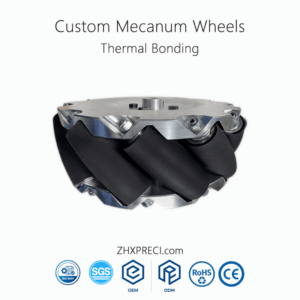
1200KG Payload Capacity 16inch 406mm Mecanum Caster Wheels Exclusive Polyurethane Formula Material Handling Equipment Parts
Read more -
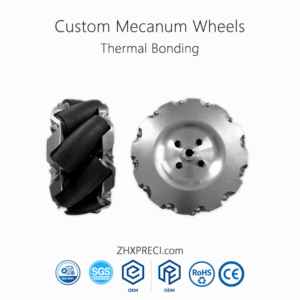
16inch 406mm Mecanum Caster Wheels 1200KG Payload Capacity Exclusive Polyurethane Formula New Aluminium Handling Equipment Farm
Read more -
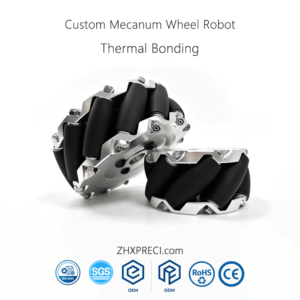
Custom High Torque Mecanum Wheel Robot
Read more -
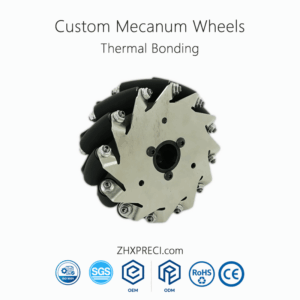
Custom Mecanum Wheel Set 152mm (6 Inch) NM152A: Heavy-Duty PU Rollers, 300kg Load Capacity, Omni-Directional for AGV & Robotics
Read more -
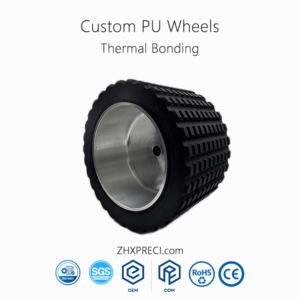
Custom Polyurethane Robot Walking Wheel – Heavy-Duty Wear-Resistant Load-Bearing Drive Roller for DIY Trolley
Read more -
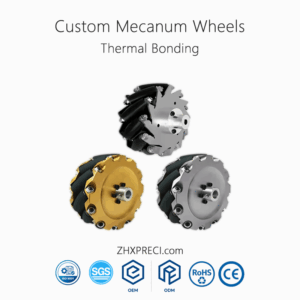
Mecanum Wheel Robot Drive Roller Intelligent Trolley Wheel Universal Roller Fulai Wheel AGV Trolley Accessories
Read more -
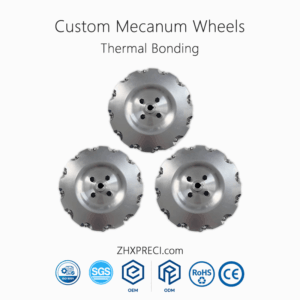
NM152A 152mm Mecanum Wheels Polyurethane 300KG Payload Capacity for AGV Drive System
Read more
Understanding Custom Omnidirectional Omni Wheel Solutions for Material Handling
In the realm of industrial mobility, the custom omnidirectional omni wheel represents a sophisticated engineering solution for applications requiring multi-directional movement. Unlike conventional casters that restrict motion to forward and backward trajectories, omni wheels incorporate a unique roller arrangement that enables lateral and rotational maneuvers with remarkable precision. This category overview provides technical insights into design considerations, material selection, and performance parameters critical for B2B procurement decisions.
What Is an Omnidirectional Omni Wheel?
An omnidirectional omni wheel, frequently referred to as a mecanum wheel variant or polyurethane roller wheel, consists of a central hub surrounded by multiple individually rotatable rollers. These rollers are typically mounted at a 45-degree angle to the wheel's primary axis, allowing the wheel to generate force vectors in multiple directions. When combined in a 4-wheel or 6-wheel configuration, these assemblies enable holonomic movement—the ability to move in any direction without changing the vehicle's orientation. This characteristic makes them indispensable for automated guided vehicles (AGVs), mobile robotics, conveyor transfer systems, and specialty material handling equipment.
Key Technical Specifications and Material Considerations
When evaluating custom elastomer wheels and rollers, several parameters demand rigorous attention. The load capacity per wheel varies significantly based on roller composition, hub material, and bearing configuration. Typical load ranges for industrial-grade omni wheels span from 50 kg to over 500 kg per wheel, with polyurethane roller versions accommodating heavier loads compared to nylon or rubber alternatives. Operating temperature ranges generally fall between -20°C and +80°C for standard polyurethane compounds, though specialized formulations can extend these limits. Hardness ratings, expressed on the Shore A or D scale, influence traction, wear resistance, and floor protection—softer compounds (85–95 Shore A) offer enhanced grip but reduced longevity, while harder variants (50–65 Shore D) excel in high-wear scenarios.
How to Select the Appropriate Omni Wheel for Your Application
Selection involves systematic evaluation of four core factors: load requirements, floor surface conditions, environmental exposure, and movement precision needs. Begin by calculating the maximum static and dynamic loads each wheel must support, factoring in safety margins typically ranging from 1.5 to 2.0 times the nominal load. Floor type—whether epoxy-coated, concrete, or steel grating—determines whether polyurethane, nylon, or cast iron rollers are appropriate. For environments with chemical exposure, oil resistance, or extreme temperatures, consult material compatibility charts specific to the chosen elastomer. Motion precision, often critical in positioning applications, demands wheels with minimal roller eccentricity and consistent frictional characteristics across all operating conditions.
Material Options for Custom Elastomer Wheels & Rollers
The selection of elastomer compounds directly influences wheel performance. Custom Omnidirectional Omni Wheel from ZHXPRECI | China OEM/ODM Factory Manufacturer Supplier Custom Elastomer Wheels & Rollers offers a comprehensive range of material choices tailored to distinct operational environments. Polyurethane elastomers dominate the market due to their exceptional abrasion resistance, load-bearing capacity, and noise reduction properties. For applications requiring chemical resistance or FDA compliance for food handling, specialized silicone or EPDM compounds may be specified. Each material option undergoes rigorous testing to ensure consistent durometer readings, tensile strength, and elongation characteristics, enabling engineers to match material properties precisely to application demands.
Design Features That Differentiate Performance
Roller configuration significantly affects wheel behavior. Standard roller counts range from 6 to 12 per wheel, with higher counts generally providing smoother motion and reduced vibration at the expense of increased manufacturing complexity. Roller diameter relative to hub size affects the wheel's ability to traverse floor irregularities—larger rollers smooth passage over gaps or debris. Bearing types, including sealed ball bearings or needle bearings, determine rolling resistance and maintenance intervals. Precision-ground hubs and balanced assemblies minimize runout, crucial for applications requiring positional accuracy within millimeters.
Installation and Mounting Considerations
Proper installation ensures optimal wheel performance and longevity. Ensure mounting bolts align precisely with hub bolt patterns—common configurations include 4-hole or 6-hole flanges with ISO or custom hole spacing. Torque specifications for mounting hardware must be observed to avoid hub distortion. When replacing existing wheels on AGVs or transfer carts, verify that the wheel diameter and width match clearance specifications. For new equipment designs, consider axle height, overall width, and turning radius constraints. Many manufacturers offer pre-assembled units including bearings and mounting hardware to streamline integration.
Maintenance Practices to Extend Service Life
Routine maintenance extends wheel service intervals and maintains operational reliability. Establish a regular inspection schedule focusing on roller wear patterns, bearing smoothness, and hub integrity. Replace rollers showing uneven wear, cracks, or excessive flat-spotting. Lubricate bearings according to manufacturer recommendations—typically every 500 to 1,000 operating hours. Keep wheel surfaces free from debris that may embed in the elastomer and accelerate wear. Document inspection findings to identify trends and optimize replacement cycles.
What Are the Common Applications for Omnidirectional Omni Wheels?
These wheels find extensive deployment across diverse industries. In automotive assembly, they enable precision positioning of vehicle bodies along production lines. Warehousing and distribution centers utilize omni-wheel-equipped carts for agile load movement through narrow aisles. Medical device manufacturing benefits from the smooth, low-vibration motion essential for delicate equipment transport. Robotic platforms in research, defense, and logistics depend on omni wheels for omnidirectional navigation. Other sectors including aerospace maintenance, semiconductor fabrication, and food processing leverage these wheels for their maneuverability and floor-friendliness.
How to Customize Wheels for Specialized Requirements
Customization options abound for applications requiring non-standard dimensions, materials, or performance attributes. Custom Omnidirectional Omni Wheel from ZHXPRECI | China OEM/ODM Factory Manufacturer Supplier Custom Elastomer Wheels & Rollers supports adaptations including roller length variations, specialized hub materials like aluminum or stainless steel, unique mounting patterns, and color-coding for operational identification. For high-temperature environments, heat-stabilized polyurethanes or high-performance thermoplastics are available. Anti-static or conductive compounds address electronics manufacturing needs. Engage with engineering teams early to define custom specifications, ensuring designs align with manufacturing capabilities and quality standards.
What Is the Typical Lead Time for Custom Orders?
Production timelines for custom omni wheels depend on factors including order volume, current production scheduling, and the complexity of final specifications. For standard modifications such as durometer adjustments or minor dimension changes, manufacturing can proceed relatively quickly. Extensive custom designs involving new mold tooling or specialized materials require additional development time. Delivery schedules are typically discussed during the quotation phase, with manufacturers providing estimates based on real-time capacity and material availability. It is advisable to plan procurement well in advance of project deployment dates.
Quality Assurance and Testing Protocols
Reputable manufacturers implement comprehensive quality control measures throughout production. Incoming material inspection verifies elastomer properties against certified specifications. In-process checks monitor roller dimensions, hub concentricity, and assembly precision. Final testing evaluates load capacity, running smoothness, and noise emission levels. Many suppliers provide test certificates documenting performance data for each production lot. For critical applications, third-party testing can be arranged to validate conformance to international standards such as ISO 9001 for quality management systems.
Cost Factors in Omni Wheel Procurement
Total cost considerations extend beyond unit price to encompass total cost of ownership. Factors influencing pricing include material type, quantity ordered, customization extent, and required certifications. Polyurethane wheels generally command higher prices than nylon alternatives but offer extended service life in demanding conditions. Bulk order volumes typically reduce per-unit costs due to economies of scale in material procurement and production setup. Evaluate the trade-offs between upfront cost and projected replacement frequency to determine the most economically viable solution for your application lifecycle.
How Does Floor Surface Affect Wheel Performance?
Floor characteristics profoundly influence wheel traction, wear, and overall efficiency. Smooth, sealed concrete or epoxy floors allow for optimal performance with standard polyurethane wheels. Rough or textured surfaces increase rolling resistance and accelerate roller wear, potentially requiring harder compounds or larger diameter wheels. Floors with frequent oil or chemical spills demand chemical-resistant compounds to prevent swelling or degradation. Moisture-laden environments necessitate corrosion-resistant hub materials and bearing seals. Conduct site surveys to assess floor conditions accurately before specifying wheels.
Noise and Vibration Considerations
In environments where noise reduction is paramount—such as hospitals, laboratories, or offices—select wheels with softer elastomer compounds and precision bearings to minimize operational noise. The interaction between roller material and floor finish determines acoustic emissions; polyurethane on smooth concrete typically generates less noise than nylon on the same surface. Vibration levels can be mitigated through balanced wheel designs and consistent roller diameter tolerances. For applications requiring ultra-low noise, consider custom formulations specifically engineered for acoustic performance.
How to Interpret Manufacturer Specifications
Understanding specification sheets ensures accurate product selection. Key parameters include dynamic load capacity (the load the wheel can support during motion), static load capacity (load when stationary), and maximum speed rating (the rotational speed at which the wheel maintains structural integrity). Rolling resistance values indicate the force required to initiate and sustain motion. Life expectancy data, often expressed in kilometers or operating hours, provides guidance on replacement intervals. Compare specifications across suppliers carefully, as testing standards may vary.
Environmental and Regulatory Compliance
Increasing regulatory scrutiny on materials and manufacturing processes requires awareness of compliance requirements. RoHS compliance restricts hazardous substances in electronic equipment. REACH registration applies to chemicals used in production. For wheels used in food processing or pharmaceutical applications, materials must meet FDA regulations for incidental food contact. Manufacturers can provide documentation of compliance upon request. Sustainable sourcing of raw materials and recyclability of wheel components are becoming increasingly important considerations for environmentally conscious organizations.
How to Evaluate Supplier Capabilities and Reliability
When sourcing custom omni wheels, assessing supplier capabilities involves examining their manufacturing infrastructure, quality certifications, and engineering support. Inquire about their experience with similar applications and request case studies or references. Evaluate their responsiveness to technical inquiries and willingness to provide sample wheels for testing before full production. Supply chain transparency, including raw material sources and inventory management practices, indicates operational robustness. Custom Omnidirectional Omni Wheel from ZHXPRECI | China OEM/ODM Factory Manufacturer Supplier Custom Elastomer Wheels & Rollers exemplifies a supplier with comprehensive manufacturing and engineering support.
What Are Common Failure Modes and How to Address Them?
Understanding potential failure mechanisms enables proactive management. Roller wear progresses gradually, with flat spots indicating overloading or extended stationary periods. Bearing failure manifests as rough rotation or increased play; prompt replacement prevents hub damage. Hub cracks or deformation suggest overload or impact damage requiring immediate wheel replacement. Environmental degradation appears as surface cracking or swelling from chemical exposure. Establish condition monitoring procedures to identify these issues early and schedule maintenance accordingly.
Innovations and Future Trends in Omni Wheel Technology
The field continues evolving with innovations aimed at enhancing performance and expanding applications. Material science developments introduce self-lubricating compounds that reduce maintenance requirements. Sensor integration enables real-time monitoring of wheel conditions, contributing to predictive maintenance programs. Lightweight composite hubs offer weight reduction without compromising strength. Manufacturing advances, including precision molding and automated assembly, improve consistency and reduce production costs. Staying informed of these trends assists in future-proofing equipment designs.
How to Ensure Compatibility in Multi-Wheel Systems
Systems employing multiple omni wheels require careful coordination to achieve intended motion. Each wheel's roller orientation determines the direction of force generation; standard configurations use opposing wheel sets for balanced control. Ensure all wheels in a system share identical specifications to prevent uneven wear or tracking issues. Control algorithms must account for wheel characteristics to achieve accurate holonomic movement. Consult with system integrators or wheel manufacturers to verify compatibility before implementation.
Storage and Handling Best Practices
Proper storage preserves wheel integrity before installation. Store wheels in clean, dry environments away from direct sunlight, which can degrade elastomer compounds. Avoid stacking heavy objects on wheels that may distort hubs or rollers. For long-term storage, rotate wheels periodically to prevent flat-spotting of elastomer surfaces. Maintain packaging that protects bearing assemblies from dust and moisture. Following these practices ensures wheels arrive at installation in optimal condition.
How to Order Custom Omnidirectional Omni Wheels
The procurement process involves clearly articulating requirements to ensure accurate fulfillment. Provide detailed drawings or specifications indicating wheel diameter, width, hub configuration, and roller material. Specify load requirements, environmental conditions, and any special testing or certification needs. Request samples for performance validation before full-scale production. Maintain clear communication with the supplier throughout the development process. For customized solutions, comprehensive specifications reduce the risk of misinterpretation.
Comparing Omnidirectional Wheels with Alternative Mobility Solutions
While omni wheels excel in applications requiring multi-directional movement, alternatives such as mecanum wheels, swivel casters, and conventional fixed casters serve different purposes. Mecanum wheels, similar in operation, offer superior precision for heavy loads at the cost of increased complexity. Swivel casters provide rotational flexibility but cannot achieve lateral motion without steering inputs. Fixed casters suit applications prioritizing straight-line stability. Evaluate operational requirements to select the most appropriate mobility technology for each application context.
Conclusion: Strategic Procurement and Engineering Decision-Making
Selecting the correct custom omnidirectional omni wheel requires careful evaluation of technical parameters, operational conditions, and supplier capabilities. By prioritizing performance data, material suitability, and quality assurance, B2B buyers can make informed decisions that balance cost, longevity, and reliability. Collaborating with experienced manufacturers ensures access to engineering expertise and customization options that align with specific application demands. As material handling and automation continue advancing, omni wheel technology remains a critical enabler of efficient, flexible industrial operations.
Frequently Asked Questions
- What is the typical lifespan of an omnidirectional omni wheel?
- Lifespan varies widely based on load, surface conditions, and maintenance, typically from 2,000 to 10,000 operating hours. Regular inspections and appropriate load management extend service intervals.
- Can omni wheels operate on uneven floors?
- Omni wheels perform best on relatively flat surfaces. Significant irregularities cause vibration and accelerated wear. For uneven floors, wheels with larger roller diameters or specialized suspension systems are recommended.
- Are custom compound formulations available?
- Many manufacturers offer custom elastomer compounds tailored to specific temperature ranges, chemical exposures, or hardness requirements. Consultation with material engineers helps define optimal formulations.
- How does wheel diameter affect performance?
- Larger diameter wheels generally roll more smoothly over obstacles and distribute loads more effectively, but require more clearance and may increase vehicle height. Size selection balances maneuverability with ground clearance needs.
- What documentation accompanies certified wheels?
- Typical documentation includes material certificates, dimensional inspection reports, load test results, and compliance statements. Additional certifications can be provided upon request.