
Custom Food Grade Silicone Rubber Rollers
Custom Food Grade Silicone Rollers
Custom food grade silicone rollers for industrial processing.
- 30-500kg load
- 30-80A Shore
- 60-300mm dia
- -60°C-230°C temp
- FDA/EFSA cert
Showing 1–16 of 76 results
-
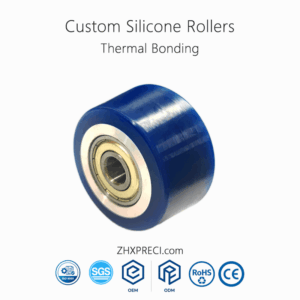
Blue Customized Silicone Rubber Coated Roller & High Quality Drive Guide Roller
Read more -
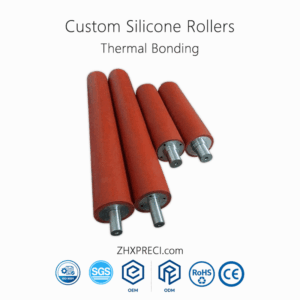
Custom Abrasion Resistant Silicone Coated Rollers Heavy Wear
Read more -
Custom Anti-Microbial Silicone Rollers Hygiene Grade
Read more -
Custom Anti-Static Silicone Coated Rollers Electronic Use
Read more -
Custom ATEX Compliant Silicone Wheels Hazardous Area
Read more -
Custom Bearing Mounted Silicone Coated Rollers Quick Change
Read more -
Custom Bracket Mount Silicone Wheels Easy Installation
Read more -
Custom Cantilever Mounted Silicone Rollers Easy Access
Read more -
Custom CE Certified Silicone Rollers European Market
Read more -
Custom Chemical Resistant Silicone Coated Rollers Process Use
Read more -
Custom Cleanroom Compatible Silicone Rollers Particle Free
Read more -
Custom Cold Resistant Silicone Rollers Low Temperature
Read more -
Custom Compact Size Silicone Wheels Space Saving
Read more -
Custom Compression Resistant Silicone Rollers Durable Shape
Read more -
Custom Conductive Silicone Coated Rollers Static Elimination
Read more -
Custom Continuous Duty Silicone Coated Rollers High Torque
Read more
What Are Custom Food Grade Silicone Rubber Rollers?
Custom food grade silicone rubber rollers are precision-engineered elastomeric components designed for direct and indirect contact with food products in industrial processing environments. These rollers feature a silicone rubber covering bonded to a metal core, manufactured using food-safe silicone compounds that comply with stringent regulatory standards for food contact applications. The silicone material offers inherent non-stick properties, thermal stability across a wide operating range, and resistance to degradation from ozone, UV exposure, and various cleaning agents commonly used in food production facilities.
Custom Food Grade Silicone Rubber Rollers from ZHXPRECI | China OEM/ODM Factory Manufacturer Supplier Custom Elastomer Wheels & Rollers are engineered to meet the specific dimensional, hardness, and surface finish requirements of individual processing lines. Unlike standard off-the-shelf rollers, custom configurations allow food processing engineers to optimize roller performance for particular applications—whether conveying delicate baked goods, guiding packaging films, or applying coatings in confectionery production. The customization process encompasses core diameter, rubber wall thickness, overall length, Shore A hardness, surface texture, and color, with each parameter selected based on the operational demands of the end-use application.
Food grade silicone rubber distinguishes itself from other elastomers through its exceptional temperature resistance, maintaining functional properties from approximately -60°C to 230°C in continuous service, with the ability to withstand brief excursions to higher temperatures depending on the specific compound formulation. This thermal stability, combined with the material's low surface energy that resists food adhesion, makes silicone rollers particularly suitable for applications involving sticky or temperature-sensitive food products.
Key Technical Specifications and Material Properties
Understanding the technical parameters of food grade silicone rubber rollers is essential for proper selection and integration into food processing equipment. The following specifications represent industry-standard ranges based on typical silicone compound formulations:
Hardness (Durometer)
Silicone rubber rollers are available across a broad hardness spectrum on the Shore A scale, typically ranging from 30 Shore A (soft, highly conformable) to 80 Shore A (firm, more wear-resistant). Common hardness grades include 40A, 50A, 60A, and 70A, with tolerances typically held within ±2 to ±3 Shore A points depending on the compound and manufacturing process. The appropriate hardness selection depends on the application: softer rollers provide better conformability to uneven surfaces and gentler handling of fragile products, while firmer rollers offer enhanced durability and more precise dimensional stability under load.
Temperature Resistance
Food grade silicone compounds generally maintain their physical properties across a wide thermal range. Continuous service temperatures typically span from -60°C to 230°C, with some formulations capable of intermittent exposure up to 260°C or higher. The upper temperature limit is influenced by the specific polymer formulation, filler system, and curing profile. At elevated temperatures, silicone rollers retain their non-stick characteristics and resist thermal degradation better than many organic elastomers, making them suitable for applications involving hot food contact, drying ovens, and heat-sealing equipment.
Tensile Strength and Tear Resistance
Typical tensile strength values for food grade silicone rubber compounds range from 7 MPa to 10 MPa (approximately 1,000 to 1,450 psi), with some specialized formulations achieving higher values. Tear strength, measured in accordance with ASTM D624, typically falls between 10 N/mm and 20 N/mm for standard food-grade compounds. These mechanical properties ensure that the roller covering can withstand the compressive and shear forces encountered during normal operation without premature failure or surface damage.
Elongation at Break
Elongation values for food grade silicone compounds vary inversely with hardness. Softer compounds (30-40 Shore A) typically exhibit elongation at break exceeding 600%, while firmer compounds (70-80 Shore A) show elongation values in the range of 150% to 300%. This elasticity contributes to the roller's ability to absorb shock loads and accommodate minor misalignments in the conveying system.
Regulatory Compliance
Food grade silicone rollers intended for food contact applications are manufactured using compounds that comply with FDA 21 CFR 177.2600, the regulation governing rubber articles intended for repeated use in food contact. This standard specifies requirements for the composition of the rubber compound, including limits on extractable substances. Many compounds also meet European Food Safety Authority (EFSA) requirements and German BfR Recommendation XV for silicones. Compliance documentation, including certificates of conformance and extractables test reports, is typically provided upon request for audit and regulatory purposes.
Compression Set Resistance
Compression set—the permanent deformation remaining after a compressive load is removed—is a critical performance indicator for rollers that operate under sustained pressure. Food grade silicone compounds generally exhibit compression set values ranging from 10% to 35% depending on the specific formulation and test conditions. Lower compression set values indicate better recovery and longer service life in applications involving continuous nip pressure or idler roller loading.
Common Applications in Food Processing
Custom Food Grade Silicone Rubber Rollers from ZHXPRECI | China OEM/ODM Factory Manufacturer Supplier Custom Elastomer Wheels & Rollers serve diverse functions across the food processing industry. The non-stick surface and thermal stability of silicone make these rollers particularly valuable in applications where product adherence or temperature extremes would compromise the performance of other elastomer types.
Bakery and Confectionery Production
In bakeries, silicone rollers are used in dough sheeting lines, where their non-stick properties prevent dough from adhering to roller surfaces during reduction and forming operations. The rollers' ability to withstand elevated temperatures makes them suitable for applications near ovens and cooling tunnels. In confectionery production, silicone rollers handle sticky materials such as caramel, chocolate, and fondant, where release properties are essential for maintaining product integrity and reducing downtime for cleaning.
Packaging and Film Handling
Food packaging operations employ silicone rollers in film handling, lamination, and heat-sealing applications. The rollers' heat resistance allows them to function in proximity to heat-sealing bars and hot-melt adhesive applicators. Their release properties prevent packaging films from sticking to roller surfaces, ensuring smooth web travel and consistent tension control. In pouch forming and filling machines, silicone rollers guide flexible packaging materials without causing surface damage or static buildup.
Conveying and Material Handling
Silicone rollers serve as drive rollers, idler rollers, and tension rollers in food conveying systems. Their surface characteristics provide adequate friction for positive product movement while allowing easy release when products contact the roller surface. The material's resistance to cleaning chemicals and sanitizing agents facilitates routine washdown procedures in food processing environments.
Printing and Coding
In food packaging printing operations, silicone rollers are used as impression rollers and transfer rollers. The material's dimensional stability and consistent surface properties contribute to print quality and registration accuracy. Silicone's resistance to ink solvents and cleaning agents used in printing press maintenance extends roller service life in these demanding applications.
Customization Options and Engineering Considerations
The ability to specify custom dimensions, hardness grades, and surface finishes distinguishes engineered silicone rollers from standard catalog items. When specifying Custom Food Grade Silicone Rubber Rollers from ZHXPRECI | China OEM/ODM Factory Manufacturer Supplier Custom Elastomer Wheels & Rollers, several key parameters require careful consideration.
Dimensional Specifications
Custom rollers can be manufactured to virtually any length, with practical maximum lengths exceeding 12,000 mm depending on manufacturing capabilities. Core diameters, rubber covering thicknesses, and overall roller diameters are determined by the equipment specifications and application requirements. Minimum rubber covering thickness is typically governed by the need for adequate bonding strength and dimensional stability, with practical minimums around 5 mm to 10 mm depending on the core diameter and operating conditions.
Core Materials and Construction
Roller cores are typically manufactured from steel or aluminum, with the choice influenced by weight considerations, thermal expansion characteristics, and corrosion resistance requirements. Stainless steel cores are specified for applications involving frequent washdown or exposure to corrosive cleaning agents. The core design may include keyways, tapped holes, or other features for mounting and drive transmission. The bond between the silicone covering and the metal core is achieved through specialized adhesive systems and curing processes that ensure reliable adhesion under operating loads.
Surface Finish and Texture
The surface finish of silicone rollers can be specified to achieve particular functional characteristics. Smooth finishes are typical for applications requiring clean release and easy cleaning. Textured or patterned surfaces may be specified to increase friction for product conveying or to impart particular surface effects to food products during processing. Surface finish specifications should consider the potential for product adherence and the ease of cleaning and sanitation.
Color and Identification
While natural silicone is translucent, pigments can be incorporated during compounding to produce rollers in various colors. Color coding can aid in identifying rollers designated for particular product lines or applications within a facility. FDA-compliant pigments must be used for any colored rollers intended for food contact applications.
Frequently Asked Questions
What is the difference between food grade silicone rollers and standard silicone rollers?
Food grade silicone rollers are manufactured using silicone compounds that comply with FDA 21 CFR 177.2600 and other applicable food contact regulations. These compounds undergo rigorous testing to ensure that extractable substances remain within specified limits and that the material does not impart undesirable odors, tastes, or contaminants to food products. Standard silicone rollers may use compounds that are not certified for food contact, potentially containing additives, plasticizers, or processing aids that are not approved for food applications. The distinction is critical for regulatory compliance in food processing facilities.
How do silicone rollers compare to polyurethane rollers for food applications?
Silicone rollers offer superior temperature resistance and non-stick properties compared to polyurethane rollers. Silicone maintains its properties at temperatures that would degrade polyurethane, making it the preferred choice for applications involving heat. Silicone also provides better release characteristics for sticky food products. However, polyurethane rollers generally offer higher abrasion resistance and load-bearing capacity, making them more suitable for heavy-duty material handling applications where temperature is not a concern. The selection between the two materials should be based on the specific demands of the application, including temperature exposure, product characteristics, and mechanical loading.
What hardness should I specify for my application?
Hardness selection depends on the balance between conformability and durability required for your specific application. Softer rollers (30-50 Shore A) provide greater conformability to uneven surfaces and gentler handling of fragile products, but they may wear more quickly under high loads or abrasive conditions. Firmer rollers (60-80 Shore A) offer better load-bearing capacity, dimensional stability, and wear resistance, but they may not conform as readily to irregular surfaces. For most food conveying applications, hardness values in the 50-70 Shore A range provide a practical balance of properties. Testing with sample rollers or consulting with engineering specialists can help determine the optimal hardness for your specific operating conditions.
What is the typical temperature range for food grade silicone rollers?
Food grade silicone rollers typically operate effectively from approximately -60°C to 230°C in continuous service. Some formulations can withstand intermittent exposure to temperatures up to 260°C or higher. The actual temperature limit for a specific roller depends on the compound formulation, the duration of exposure, and the presence of mechanical loads during high-temperature operation. For applications involving sustained temperatures above 230°C, roller manufacturers should be consulted to select an appropriate compound formulation and to verify the thermal stability of the adhesive bond between the silicone covering and the metal core.
How are food grade silicone rollers cleaned and sanitized?
Food grade silicone rollers can be cleaned using standard food processing sanitation procedures. The material's resistance to many cleaning agents allows the use of mild detergents, sanitizing solutions, and hot water washdown. Steam cleaning is generally acceptable, though the temperature should be controlled to avoid exceeding the compound's thermal limits. Abrasive cleaning methods should be avoided as they can damage the roller surface and compromise its release properties. Rollers should be inspected regularly for surface damage, wear, and signs of adhesive failure between the silicone covering and the core.
What is the typical service life of a food grade silicone roller?
Service life depends on operating conditions including temperature, load, speed, product characteristics, and cleaning frequency. Under typical food processing conditions, silicone rollers may provide several years of service before requiring recovering. Factors that can reduce service life include operation at temperature extremes, exposure to incompatible chemicals, mechanical damage from product jams or misalignment, and abrasive wear from particulate-laden products. Regular inspection and preventive maintenance can help identify wear patterns and schedule recovering before unplanned downtime occurs.
Can silicone rollers be recovered or recoated?
Yes, worn silicone rollers can typically be recovered by removing the existing silicone covering and applying a new covering to the existing core. Recovering is often more cost-effective than purchasing new rollers, particularly for large-diameter or long-length rollers with custom cores. The recovering process includes surface preparation of the core, application of new adhesive, molding and curing of the new silicone covering, and final machining to the specified dimensions. Recovered rollers can be manufactured to the same specifications as new rollers, provided the core remains in serviceable condition.
How do I specify a custom food grade silicone roller?
To specify a custom roller, provide the following information to the manufacturer: overall length, core diameter, core material, rubber outside diameter or covering thickness, Shore A hardness, surface finish requirements, temperature exposure range, product contact characteristics, and any regulatory compliance requirements. Detailed drawings showing mounting features, keyways, and dimensional tolerances facilitate accurate manufacturing. Providing information about the application—including operating speeds, loads, and environmental conditions—helps the manufacturer recommend appropriate compound formulations and design features.
What quality control measures apply to food grade silicone rollers?
Quality control for food grade silicone rollers typically includes incoming raw material testing, in-process dimensional verification, hardness testing, visual inspection for surface defects, and bond integrity testing. Finished rollers may undergo dimensional inspection, hardness verification, surface finish measurement, and balance testing depending on the application requirements. Documentation including material certifications, dimensional reports, and FDA compliance statements is typically provided. Many manufacturers implement quality management systems aligned with ISO 9001 or similar standards.
Are food grade silicone rollers resistant to oils and solvents?
Silicone rubber exhibits limited resistance to oils, greases, and organic solvents. While silicone is highly resistant to water, ozone, and many chemicals, it swells and degrades when exposed to petroleum-based oils, hydrocarbon solvents, and concentrated acids. For applications involving oil or solvent exposure, alternative elastomers such as nitrile (NBR) or fluorocarbon (FKM) may be more appropriate, provided they meet food contact requirements. When silicone rollers must be used in environments with potential oil or solvent exposure, the specific chemicals and concentrations should be evaluated to determine compatibility.
Selection and Procurement Considerations
When sourcing Custom Food Grade Silicone Rubber Rollers from ZHXPRECI | China OEM/ODM Factory Manufacturer Supplier Custom Elastomer Wheels & Rollers, several factors should guide the procurement process. The selection of a roller supplier should consider manufacturing capabilities, quality systems, regulatory compliance documentation, and technical support resources.
Lead time for custom silicone rollers is subject to order quantity, current production schedule, and final specification confirmation. Custom rollers require mold preparation, compound mixing, core preparation, covering application, curing, and finishing operations. The complexity of the specification—including dimensional tolerances, surface finish requirements, and any special testing or documentation needs—influences the production timeline. Early engagement with the manufacturer during the specification phase helps ensure that design requirements align with manufacturing capabilities and that delivery expectations are realistic.
For optimal roller performance and service life, consider engaging the roller manufacturer during the equipment design or modification phase. Manufacturers can provide guidance on roller geometry, hardness selection, and surface finish based on their experience with similar applications. Sample rollers or prototype quantities can be useful for validating performance before committing to full production quantities.
Custom Food Grade Silicone Rubber Rollers from ZHXPRECI | China OEM/ODM Factory Manufacturer Supplier Custom Elastomer Wheels & Rollers represent a specialized category of industrial components that require careful specification and qualified manufacturing to achieve reliable performance in food processing applications. The combination of silicone's unique material properties with custom engineering enables processing lines to operate efficiently while maintaining food safety and product quality standards.