
Custom High Temperature Silicone Rubber Rollers
Custom High Temp Silicone Rollers
Custom silicone rollers for -73°C to 260°C, ideal for packaging & textile.
- 30-500kg load
- 30-90A Shore
- 60-300mm dia
- -73~260°C temp
- ISO9001/REACH cert
Showing 1–16 of 75 results
-
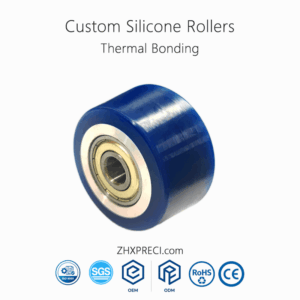
Blue Customized Silicone Rubber Coated Roller & High Quality Drive Guide Roller
Read more -
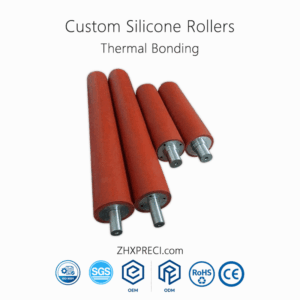
Custom Abrasion Resistant Silicone Coated Rollers Heavy Wear
Read more -
Custom Anti-Microbial Silicone Rollers Hygiene Grade
Read more -
Custom Anti-Static Silicone Coated Rollers Electronic Use
Read more -
Custom ATEX Compliant Silicone Wheels Hazardous Area
Read more -
Custom Bearing Mounted Silicone Coated Rollers Quick Change
Read more -
Custom Bracket Mount Silicone Wheels Easy Installation
Read more -
Custom Cantilever Mounted Silicone Rollers Easy Access
Read more -
Custom CE Certified Silicone Rollers European Market
Read more -
Custom Chemical Resistant Silicone Coated Rollers Process Use
Read more -
Custom Cleanroom Compatible Silicone Rollers Particle Free
Read more -
Custom Cold Resistant Silicone Rollers Low Temperature
Read more -
Custom Compact Size Silicone Wheels Space Saving
Read more -
Custom Compression Resistant Silicone Rollers Durable Shape
Read more -
Custom Conductive Silicone Coated Rollers Static Elimination
Read more -
Custom Continuous Duty Silicone Coated Rollers High Torque
Read more
What Are Custom High Temperature Silicone Rubber Rollers?
Custom high temperature silicone rubber rollers are precision-engineered industrial components consisting of a metal core (typically steel or aluminum) covered with a vulcanized silicone rubber layer. These rollers are designed to operate reliably in thermal environments where standard rubber compounds would degrade, harden, or lose their mechanical properties. The silicone elastomer formulation provides inherent thermal stability, allowing these rollers to maintain their physical characteristics across a wide temperature spectrum.
Unlike conventional rubber rollers that may suffer from thermal degradation, high temperature silicone rubber rollers retain their resilience, surface integrity, and dimensional stability when exposed to elevated operating temperatures. This makes them suitable for continuous processing applications in industries such as flexible packaging, textile finishing, film lamination, label converting, and heat transfer printing. Custom High Temperature Silicone Rubber Rollers from ZHXPRECI | China OEM/ODM Factory Manufacturer Supplier Custom Elastomer Wheels & Rollers are engineered to meet specific application requirements through tailored formulations and dimensional specifications.
Key Technical Characteristics of High Temperature Silicone Rubber Rollers
Temperature Resistance Range
Silicone rubber rollers are recognized for their broad service temperature capability. Depending on the specific compound formulation, these rollers can operate continuously in environments ranging from -100°F to 500°F (-73°C to 260°C), with certain specialized formulations extending the upper limit to approximately 550°F (288°C) for intermittent exposure. The silicone polymer backbone exhibits exceptional resistance to thermal oxidation, which prevents the material from becoming brittle or losing elasticity over time. This thermal stability is a defining characteristic that distinguishes silicone rollers from alternatives such as natural rubber, neoprene, or EPDM, which typically have more restricted upper temperature limits.
Hardness and Durometer Options
The hardness of silicone rubber rollers is measured using the Shore A scale, with standard offerings ranging from 30 Shore A to 90 Shore A. Common hardness grades include 40 Shore A, 50 Shore A, 60 Shore A, 70 Shore A, and 80 Shore A. The selection of hardness directly influences the roller's performance characteristics: softer compounds (30-50 Shore A) provide greater conformability and surface contact, making them suitable for applications requiring gentle material handling or uniform pressure distribution. Firmer compounds (60-90 Shore A) offer increased abrasion resistance and load-bearing capacity, appropriate for high-pressure nipping or driven roller applications. The hardness grade is selected based on the specific process requirements, substrate characteristics, and operating conditions.
Surface Finish and Tolerances
Custom high temperature silicone rubber rollers can be manufactured with various surface finishes ranging from smooth polished surfaces to textured or patterned finishes. Surface roughness values typically fall within the range of 8 to 64 microinches Ra, depending on the application. Dimensional tolerances are maintained according to industry standards, with concentricity and runout specifications typically held to within 0.001 to 0.005 inches per foot of roller length. These precision tolerances ensure consistent performance in applications such as coating, laminating, and printing where uniform pressure distribution and material transfer are critical.
Common Applications and Industry Use Cases
High temperature silicone rubber rollers find application across a diverse range of industrial sectors. In the flexible packaging industry, these rollers are used in adhesive coating lines, hot melt laminators, and extrusion coating processes where elevated temperatures are required to activate adhesives or facilitate material bonding. The non-stick surface properties of silicone reduce the tendency for adhesives and coatings to adhere to the roller surface, minimizing cleanup requirements and reducing downtime.
In the textile industry, silicone rollers are employed in heat setting, calendering, and finishing operations. The thermal stability of silicone allows these rollers to maintain consistent surface properties when exposed to the elevated temperatures used in fabric processing. Similarly, in the plastics industry, silicone rollers are used in film casting, embossing, and calendering lines where temperature control and release properties are essential for product quality.
The food processing and pharmaceutical sectors utilize FDA-compliant silicone rubber rollers in applications involving food contact or sanitary processing conditions. Silicone materials that meet FDA 21 CFR 177.2600 requirements are available for these applications, providing the necessary thermal stability and chemical inertness while complying with regulatory standards. Custom High Temperature Silicone Rubber Rollers from ZHXPRECI | China OEM/ODM Factory Manufacturer Supplier Custom Elastomer Wheels & Rollers can be formulated to meet specific industry certifications and regulatory requirements.
Additional applications include hot stamping and decorating equipment, where silicone rollers transfer heat and pressure to apply decorative foils or coatings; label converting and narrow-web printing; and industrial laminating processes for composite materials. The versatility of silicone as a roller covering material makes it a preferred choice for engineers and process designers seeking reliable performance in thermally demanding environments.
Material Selection: Why Silicone for High Temperature Applications?
The selection of silicone as a roller covering material for high temperature applications is based on several distinct material properties. The silicone polymer's molecular structure, characterized by silicon-oxygen bonds, provides inherent thermal stability that organic rubber compounds cannot match. This bond structure resists thermal scission, meaning the material maintains its molecular integrity when exposed to elevated temperatures over extended periods.
In addition to thermal resistance, silicone exhibits low surface energy, which contributes to its non-stick characteristics. This property reduces the adhesion of process materials to the roller surface, minimizing buildup and facilitating easier cleaning. The material also demonstrates excellent resistance to ozone, UV radiation, and weathering, which contributes to longer service life in demanding environments.
Silicone's compression set resistance is another notable advantage. Unlike many organic rubbers that permanently deform under sustained compression at elevated temperatures, silicone recovers well after compression, maintaining consistent roller geometry and performance over time. This characteristic is particularly valuable in nip roller applications where sustained pressure is applied during processing.
How to Specify Custom High Temperature Silicone Rubber Rollers
Specifying custom high temperature silicone rubber rollers requires consideration of several key parameters to ensure the finished product meets application requirements. The following specification elements should be defined during the procurement process:
Dimensional Specifications: The roller's outer diameter, inner diameter (core size), and overall length must be precisely defined. Tolerances for these dimensions should be specified based on the application's requirements. For driven rollers, shaft dimensions and keyway specifications must also be provided.
Core Material and Construction: The metal core can be manufactured from various materials including carbon steel, stainless steel, or aluminum. The choice of core material affects the roller's weight, thermal conductivity, and corrosion resistance. Core construction may include solid, tubular, or internally heated designs depending on the application.
Silicone Compound Selection: The silicone formulation should be selected based on the operating temperature range, chemical exposure, hardness requirements, and any regulatory certifications needed. Standard compounds are suitable for many applications, while custom formulations can be developed for specialized requirements.
Surface Finish: The required surface finish should be specified, including roughness values and any pattern requirements. Surface finishes can range from smooth ground surfaces to textured finishes for specific material handling requirements.
Balance Requirements: For high-speed applications, dynamic balancing specifications should be defined to minimize vibration and ensure smooth operation. Balancing grades are typically specified according to ISO standards.
Frequently Asked Questions About High Temperature Silicone Rubber Rollers
What is the maximum operating temperature for silicone rubber rollers?
The maximum continuous operating temperature for silicone rubber rollers typically ranges from 400°F to 500°F (204°C to 260°C), depending on the specific compound formulation. Some specialized formulations can withstand intermittent exposure up to 550°F (288°C). The actual maximum temperature should be confirmed with the manufacturer based on the specific compound selected and the operating conditions, including duration of exposure and presence of any chemicals or process materials.
How does temperature affect silicone roller hardness?
Silicone rubber exhibits a relatively stable hardness across a wide temperature range compared to many other elastomers. However, like all rubber materials, silicone does experience some hardness variation with temperature changes. As temperature increases, silicone typically becomes slightly softer, with hardness decreasing by approximately 1 to 2 Shore A points per 10°C increase within the normal operating range. This change is reversible upon cooling, provided the material has not been subjected to temperatures exceeding its thermal degradation threshold.
What is the typical service life of a high temperature silicone rubber roller?
The service life of a high temperature silicone rubber roller depends on multiple factors including operating temperature, pressure, speed, chemical exposure, maintenance practices, and the specific application. Under typical operating conditions with proper maintenance, silicone rollers can provide service lives ranging from one to five years or more. Factors that can extend service life include operating within recommended temperature limits, regular cleaning to prevent material buildup, proper storage when not in use, and avoiding exposure to incompatible chemicals or solvents.
Can silicone rubber rollers be repaired or re-covered?
Yes, silicone rubber rollers can typically be re-covered by removing the existing silicone layer and applying a new layer to the existing core. Re-covering is often more cost-effective than purchasing new rollers, particularly for custom-sized rollers with specialized core configurations. The re-covering process involves stripping the old silicone, preparing the core surface, applying a new bonding layer, and vulcanizing a new silicone covering to the specified dimensions and hardness.
What are the signs that a silicone rubber roller needs replacement or re-covering?
Common indicators that a silicone rubber roller requires attention include visible surface cracking or crazing, loss of surface smoothness, hardening or softening beyond acceptable limits, dimensional changes such as swelling or shrinkage, loss of release properties, and degradation of process quality such as uneven coating or transfer. Regular inspection and measurement of critical parameters can help identify these issues before they impact product quality.
How should silicone rubber rollers be stored when not in use?
Silicone rubber rollers should be stored in a cool, dry environment away from direct sunlight, ozone sources, and incompatible chemicals. Rollers should be supported evenly across their length to prevent sagging or distortion. Ideally, rollers should be stored horizontally on properly designed racking with adequate support. Temperature extremes should be avoided during storage, and rollers should be rotated periodically if stored for extended periods to prevent permanent deformation.
What maintenance practices extend the life of silicone rubber rollers?
Regular maintenance practices that contribute to extended roller life include routine cleaning to remove process material buildup, inspection for surface damage or wear, monitoring of operating temperatures to ensure they remain within recommended ranges, proper alignment in the equipment to prevent uneven loading, and following manufacturer recommendations for startup and shutdown procedures. When heating is involved, gradual heating and cooling cycles help prevent thermal shock and extend roller life.
Are silicone rubber rollers suitable for food contact applications?
Certain silicone compounds are formulated to meet FDA requirements for food contact applications under 21 CFR 177.2600. These compounds are manufactured using ingredients that comply with FDA regulations and are suitable for repeated food contact. When specifying rollers for food processing applications, it is important to confirm that the specific compound meets the required regulatory standards and that the manufacturing process maintains the necessary sanitary conditions.
What is the difference between silicone rollers and other rubber rollers?
The primary differences between silicone rollers and rollers made from other elastomers relate to temperature resistance, release properties, and chemical compatibility. Silicone offers superior high-temperature resistance compared to natural rubber, neoprene, or EPDM, and provides excellent non-stick properties. However, silicone generally has lower tear strength and abrasion resistance compared to polyurethane or certain other elastomers. The selection between silicone and alternative materials depends on the specific application requirements, with silicone being the preferred choice when temperature resistance and release properties are paramount.
How does the choice of silicone compound affect roller performance?
The silicone compound formulation significantly influences roller performance characteristics including temperature resistance, hardness, compression set resistance, tear strength, abrasion resistance, and chemical compatibility. Different formulations are optimized for different applications, with some emphasizing maximum temperature resistance, others prioritizing release properties, and still others focusing on mechanical strength. Working with an experienced manufacturer helps ensure the appropriate compound is selected for the specific application requirements.
Customization Capabilities for High Temperature Silicone Rubber Rollers
Custom High Temperature Silicone Rubber Rollers from ZHXPRECI | China OEM/ODM Factory Manufacturer Supplier Custom Elastomer Wheels & Rollers offer extensive customization options to meet specific application requirements. Customization parameters include:
Dimensional Customization: Rollers can be manufactured to virtually any size requirement, with lengths ranging from small laboratory-scale rollers to industrial rollers exceeding 200 inches in length. Diameters can be customized from fractional inches to over 24 inches, depending on the application and manufacturing capabilities.
Hardness Customization: Compounds can be formulated to achieve specific hardness values within the 30 to 90 Shore A range, with tight tolerances maintained to ensure consistent performance.
Compound Formulation: Custom compounds can be developed to address specific requirements such as enhanced thermal stability, improved chemical resistance, specialized release properties, or compliance with particular regulatory standards.
Core Design: Cores can be designed with specific shaft configurations, keyways, internal heating or cooling passages, and balancing requirements to suit the application.
Surface Finishing: A variety of surface finishes are available, including ground, polished, textured, and patterned surfaces to meet specific material handling requirements.
Quality Considerations for High Temperature Silicone Rubber Rollers
Quality in silicone rubber roller manufacturing encompasses multiple dimensions including material quality, dimensional accuracy, surface finish, and performance consistency. Reputable manufacturers implement quality control procedures throughout the manufacturing process, from incoming raw material inspection to final dimensional verification and performance testing.
Material quality begins with the selection of high-grade silicone polymers and compounding ingredients. Consistent compound mixing and processing ensure uniform material properties throughout the roller covering. The bonding process between the silicone covering and the metal core is critical to roller performance, with inadequate bonding potentially leading to separation or failure during operation.
Dimensional quality is verified through precision measurement of critical dimensions including diameter, length, concentricity, and runout. Surface finish quality is assessed using surface roughness measurement equipment to ensure compliance with specifications. Performance testing may include durometer hardness verification, compression set testing, and visual inspection for surface defects.
Custom High Temperature Silicone Rubber Rollers from ZHXPRECI | China OEM/ODM Factory Manufacturer Supplier Custom Elastomer Wheels & Rollers are manufactured with attention to these quality parameters, ensuring that finished products meet the specified requirements for their intended applications.
Procurement Considerations for Custom Silicone Rollers
When procuring custom high temperature silicone rubber rollers, several factors should be considered to ensure successful project outcomes. Complete and accurate specifications are essential, including all dimensional requirements, material specifications, and performance criteria. Providing detailed application information helps the manufacturer recommend appropriate compound selections and design features.
Lead time for custom silicone rollers is subject to order quantity, current production schedule, and final specification confirmation. Custom rollers typically require more production time than standard off-the-shelf products due to the need for compound preparation, core machining, covering application, vulcanization, and finishing operations. Early planning and communication with the manufacturer can help align production schedules with project timelines.
Minimum order quantities may apply for custom compounds or specialized configurations, though many manufacturers accommodate smaller quantities for prototype or trial purposes. Pricing is influenced by factors including roller size, compound complexity, quantity ordered, and finishing requirements.
When evaluating potential suppliers, considerations should include manufacturing capabilities, quality systems, technical expertise, and experience with similar applications. References from other customers in similar industries can provide valuable insight into supplier performance and reliability.
Conclusion
Custom high temperature silicone rubber rollers represent a critical component in many industrial processes requiring reliable performance under thermal stress. The unique properties of silicone—including broad temperature resistance, excellent release characteristics, and stable mechanical properties—make these rollers a preferred choice for applications ranging from flexible packaging and textile finishing to food processing and pharmaceutical manufacturing.
Successful specification and procurement of custom silicone rollers requires careful consideration of application requirements, material selection, dimensional specifications, and quality requirements. Working with an experienced manufacturer that understands both the material science and the application context helps ensure that the finished rollers meet performance expectations and provide reliable service over their intended lifespan.
For engineers, procurement professionals, and operations managers seeking high-quality custom silicone rollers, understanding the technical considerations outlined in this overview provides a foundation for effective specification and selection. Custom High Temperature Silicone Rubber Rollers from ZHXPRECI | China OEM/ODM Factory Manufacturer Supplier Custom Elastomer Wheels & Rollers represent one option among the available sources for these specialized industrial components.