
Custom Heat Transfer Silicone Rubber Rollers
Custom Heat Transfer Rollers
Silicone rollers for precise thermal transfer in industry.
- 30-500kg load
- 60-95A Shore
- 60-300mm dia
- -30 to 230°C temp
- ISO & REACH cert
Showing 1–16 of 88 results
-
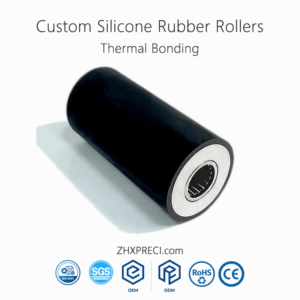
Black PU Rubber Coated Wheel Roller Industrial Grade for Automation Machinery Conveyor Transport and Factory Use
Read more -
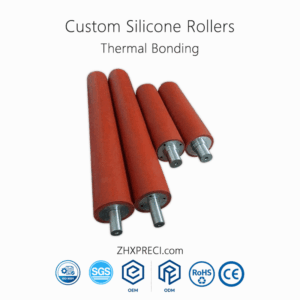
Custom Abrasion Resistant Silicone Coated Rollers Heavy Wear
Read more -
Custom Air Cooled Rubber Rollers with Internal Channels
Read more -
Custom Anti-Microbial Silicone Rollers Hygiene Grade
Read more -
Custom Anti-Static Silicone Coated Rollers Electronic Use
Read more -
Custom API Grade Rubber Rollers for Drill Pipe Wiper
Read more -
Custom ATEX Compliant Rubber Rollers for Grain Handling
Read more -
Custom Bearing Mounted Silicone Coated Rollers Quick Change
Read more -
Custom Cantilever Mount Rubber Rollers for Narrow Spaces
Read more -
Custom Cantilever Mounted Silicone Rollers Easy Access
Read more -
Custom CE Certified Silicone Rollers European Market
Read more -
Custom Chemical Resistant Silicone Coated Rollers Process Use
Read more -
Custom Cleanroom Compatible Silicone Rollers Particle Free
Read more -
Custom Cold Resistant Silicone Rollers Low Temperature
Read more -
Custom Compression Resistant Silicone Rollers Durable Shape
Read more -
Custom Conductive Silicone Coated Rollers Static Elimination
Read more
What Are Custom Heat Transfer Silicone Rubber Rollers?
Custom heat transfer silicone rubber rollers are precision-engineered industrial components designed to deliver controlled thermal energy across a moving web or substrate in continuous manufacturing processes. These rollers feature a heat-resistant silicone rubber outer layer bonded to a metal core, typically constructed from steel or aluminum. The silicone compound is formulated to withstand elevated operating temperatures while maintaining consistent surface properties, enabling uniform heat distribution across the roller width. Industries ranging from flexible packaging and textile processing to label printing and film converting rely on these rollers for applications such as lamination, sublimation transfer, hot stamping, and adhesive activation.
As a critical enabling technology in thermal processing lines, the performance of a heat transfer roller depends on multiple interacting variables: the thermal conductivity of the silicone compound, the hardness profile across the durometer scale, the dimensional accuracy of the roller surface, and the integrity of the silicone-to-metal bond. Custom Heat Transfer Silicone Rubber Rollers from ZHXPRECI | China OEM/ODM Factory Manufacturer Supplier Custom Elastomer Wheels & Rollers are engineered with these variables in mind, offering tailored solutions for specific process requirements.
Key Technical Characteristics of Heat Transfer Silicone Rollers
Temperature Resistance and Operating Range
Silicone rubber exhibits one of the widest service temperature ranges among elastomeric materials. Industry-standard formulations typically accommodate continuous operation between -60°C and 230°C, with specialized compounds capable of intermittent exposure up to 300°C or higher. The actual upper temperature limit depends on the specific silicone formulation, the duration of exposure, and the mechanical load conditions. For heat transfer applications, rollers are commonly specified for working temperatures in the 60°C to 350°C range. When selecting a roller for a given process, engineers should evaluate both the steady-state operating temperature and any thermal cycling that may occur during production starts and stops.
Hardness and Durometer Selection
Roller hardness, measured on the Shore A scale, directly influences contact pressure distribution, surface conformability, and wear resistance. Commercial silicone rollers are available across a broad hardness spectrum, typically ranging from 20 Shore A to 90 Shore A. Softer compounds, in the 30–50 Shore A range, offer greater conformability to irregular substrates and improved surface contact, which can be advantageous for transfer applications involving textured or uneven materials. Firmer compounds, in the 60–80 Shore A range, provide higher load capacity and greater resistance to deformation under pressure, making them suitable for higher-force applications. The optimal hardness for a given application is determined by substrate characteristics, required nip pressure, and the desired thermal transfer efficiency.
Dimensional Specifications and Tolerances
Heat transfer silicone rollers are manufactured to precise dimensional specifications that must align with the host machinery. Common outer diameter ranges span from approximately 50 mm to 300 mm, with face lengths ranging from 100 mm to 1,200 mm or more. The inner diameter, which determines the fit with the shaft or bearing assembly, is custom-engineered to match the specific machine configuration. Surface finish and run-out tolerances are critical parameters that affect both thermal transfer uniformity and the quality of the finished product. Tight dimensional control ensures consistent nip pressure across the roller width, minimizing process variations that can lead to defects such as incomplete adhesion or uneven coating.
Silicone-to-Metal Bond Integrity
The bond between the silicone rubber layer and the metal core is a critical factor in roller durability and service life. Proprietary bonding systems are employed to achieve chemical adhesion between the elastomer and the substrate, preventing delamination under the combined effects of heat, mechanical stress, and thermal cycling. The bonding process typically involves surface preparation of the metal core, application of a primer or adhesive layer, and controlled curing conditions to optimize interfacial strength. Rollers with compromised bond integrity may experience separation between the rubber and core, leading to premature failure and process downtime.
Common Applications and Industrial Use Cases
Heat transfer silicone rollers serve a diverse range of industrial applications where controlled thermal energy delivery is essential to the manufacturing process. In the printing industry, these rollers are employed in gravure and flexographic printing presses to regulate ink drying rates, ensuring consistent print quality across production runs. In laminating operations, heat transfer rollers activate adhesives and promote proper bonding between layered materials, including films, foils, and paper substrates. The textile sector utilizes these rollers in sublimation printing and calendering processes, where precise temperature control is required to achieve vibrant, durable color transfer.
Additional applications include hot stamping of cylindrical and contoured parts, where the conformable silicone surface accommodates variations in molded plastic components; film and foil converting, where uniform thermal treatment ensures consistent material properties; and packaging applications, where heat transfer rollers are used in the production of flexible packaging materials. Custom Heat Transfer Silicone Rubber Rollers from ZHXPRECI | China OEM/ODM Factory Manufacturer Supplier Custom Elastomer Wheels & Rollers are engineered to meet the specific demands of each of these application areas, with material selections and dimensional configurations tailored to the process requirements.
Material Selection Considerations
The choice of silicone compound for a heat transfer roller involves balancing multiple performance attributes. Thermal conductivity determines the rate at which heat transfers from the internal heating medium—typically steam, thermal oil, or electric heaters—through the roller shell and silicone layer to the substrate. Higher thermal conductivity compounds enable faster heat transfer and more responsive temperature control, though they may present trade-offs in terms of mechanical properties or cost. Compression set resistance is another important consideration, as rollers subjected to sustained nip pressure must maintain their dimensional stability over time to ensure consistent performance. Manufacturers may also offer formulations with enhanced release properties for applications involving adhesive or tacky substrates, reducing the tendency for material to stick to the roller surface.
What Factors Influence Heat Transfer Roller Performance?
Several interrelated factors determine the performance of a heat transfer silicone roller in a production environment. Temperature uniformity across the roller face is among the most critical parameters; non-uniform temperature distribution can result in inconsistent thermal transfer, leading to product defects such as uneven adhesion, incomplete curing, or variations in surface finish. Temperature uniformity is influenced by the design of the internal heating channels, the thermal conductivity of the roller materials, and the effectiveness of the temperature control system.
Nip pressure, or the force applied between the roller and the opposing surface, affects both the thermal contact conductance and the mechanical interaction with the substrate. Insufficient pressure may result in poor heat transfer, while excessive pressure can cause substrate distortion or roller damage. The surface condition of the silicone layer—including its smoothness, cleanliness, and any surface texturing—also plays a role in determining both thermal transfer efficiency and the quality of the finished product. Regular maintenance, including cleaning and inspection for surface damage, is recommended to sustain performance over the roller's service life.
How to Select the Right Heat Transfer Silicone Roller for Your Application
Selecting an appropriate heat transfer silicone roller requires a systematic evaluation of process parameters and performance requirements. The following considerations provide a framework for the selection process:
- Operating temperature range: Identify the maximum and minimum temperatures the roller will encounter during normal operation, as well as any transient temperature excursions. Select a silicone compound with a service temperature range that comfortably encompasses these conditions.
- Substrate characteristics: Consider the material being processed—its thickness, surface texture, thermal sensitivity, and any release or adhesion requirements. These factors influence the optimal roller hardness and surface finish.
- Mechanical load conditions: Evaluate the nip pressure, roller speed, and any dynamic loads that will be applied. Harder compounds are generally more suitable for higher-load applications, while softer compounds may be preferred for delicate or irregular substrates.
- Dimensional requirements: Specify the outer diameter, face length, inner diameter, and any special features such as crowned surfaces or custom end configurations. Ensure these dimensions are compatible with the existing machinery.
- Environmental factors: Consider any exposure to chemicals, solvents, or abrasive materials that may affect the silicone compound or the bond interface. Some applications may require specialized formulations with enhanced chemical resistance.
What Is the Typical Service Life of a Heat Transfer Silicone Roller?
The service life of a heat transfer silicone roller varies considerably based on operating conditions, maintenance practices, and the specific application. Under typical conditions, well-maintained rollers may provide several years of service before requiring re-covering or replacement. Factors that can accelerate wear and reduce service life include operation at the upper limits of the temperature range, exposure to abrasive or corrosive materials, mechanical damage from impacts or excessive pressure, and inadequate maintenance including failure to clean the roller surface regularly. Periodic inspection of the roller surface for cracks, blisters, or signs of bond separation is recommended to identify potential issues before they lead to process interruptions. When re-covering becomes necessary, the metal core can often be re-used, with new silicone applied to restore the roller to its original specifications.
How Does Customization Impact Roller Design and Manufacturing?
Customization is a defining feature of heat transfer silicone rollers, as off-the-shelf products rarely satisfy the specific requirements of individual processes and machinery configurations. Custom Heat Transfer Silicone Rubber Rollers from ZHXPRECI | China OEM/ODM Factory Manufacturer Supplier Custom Elastomer Wheels & Rollers are designed around the customer's application parameters, with each roller engineered to meet the dimensional, thermal, and mechanical specifications of the intended use. Customization options include the selection of silicone compound hardness and formulation, dimensional specifications including diameter, length, and core configuration, surface finish and texture, and any special features such as grooved or patterned surfaces. The customization process typically involves a collaborative design phase, during which the manufacturer works with the customer to define requirements and develop a roller specification that optimizes performance for the specific application.
What Quality Assurance Measures Are Applied to Heat Transfer Rollers?
Quality assurance for heat transfer silicone rollers encompasses multiple stages of the manufacturing process, from raw material inspection through final testing. Silicone compounds are typically tested for hardness, tensile strength, elongation, and compression set to verify compliance with specifications. The silicone-to-metal bond is evaluated through adhesion testing to confirm bond integrity. Dimensional inspections are performed throughout the manufacturing process to ensure that the finished roller meets the required tolerances. Many manufacturers operate under quality management systems that include documented procedures for process control and traceability, providing customers with confidence in the consistency and reliability of the products they receive. Certification to standards such as ISO 9001 may be available from some suppliers, indicating a commitment to quality management practices.
What Is the Difference Between Heat Transfer Rollers and Standard Rubber Rollers?
The primary distinction between heat transfer rollers and standard rubber rollers lies in their thermal functionality. Standard rubber rollers are designed primarily for mechanical functions such as conveying, guiding, or applying pressure, with thermal properties being a secondary consideration. Heat transfer rollers, by contrast, are specifically engineered to deliver controlled thermal energy to a substrate, with the silicone compound selected and formulated to optimize thermal conductivity and temperature resistance. The internal construction of heat transfer rollers typically includes passages or channels for heating media, enabling efficient heat transfer from the internal source to the roller surface. The silicone compounds used in heat transfer applications also exhibit higher temperature resistance and better thermal stability than general-purpose rubber materials, allowing them to maintain their properties under sustained elevated temperatures.
How Should Heat Transfer Silicone Rollers Be Maintained?
Proper maintenance practices can extend the service life of heat transfer silicone rollers and help maintain consistent process performance. Routine cleaning to remove accumulated residues, adhesives, or contaminants from the roller surface is recommended, using cleaning agents that are compatible with silicone materials. The roller surface should be inspected regularly for signs of wear, cracking, blistering, or other damage that could affect performance. Nip pressure should be checked and adjusted as needed to maintain optimal contact conditions. When the roller is not in use, it should be stored in a clean, dry environment away from direct sunlight and sources of ozone, which can degrade silicone materials over time. Any significant changes in roller performance—such as temperature non-uniformity, surface defects, or reduced heat transfer efficiency—should be investigated promptly to determine whether maintenance, re-conditioning, or replacement is required.
Frequently Asked Questions About Heat Transfer Silicone Rollers
What temperature can silicone rubber rollers withstand?
Silicone rubber rollers are capable of continuous operation at temperatures up to approximately 230°C with standard formulations, and up to 300°C or higher with specialized high-temperature compounds. The specific temperature rating depends on the compound formulation, the duration of exposure, and the mechanical load conditions. For applications requiring operation above 250°C, consultation with the roller manufacturer regarding compound selection is recommended.
What hardness range is available for silicone rollers?
Silicone rollers are available across a hardness range of approximately 20 to 90 Shore A. Softer compounds provide greater conformability and surface contact, while harder compounds offer higher load capacity and resistance to deformation. The optimal hardness is application-dependent and should be selected based on substrate characteristics, nip pressure requirements, and desired thermal transfer characteristics.
How are heat transfer rollers heated?
Heat transfer rollers are typically heated using one of several methods: thermal oil circulated through internal passages, steam, electric cartridge heaters, or induction heating. The choice of heating method depends on the required temperature range, the desired temperature uniformity, and the specific application requirements. Each method has distinct characteristics in terms of heat-up time, temperature control precision, and operational efficiency.
What industries use heat transfer silicone rollers?
Heat transfer silicone rollers are used across a wide range of industries including printing and publishing, flexible packaging, textile processing, film and foil converting, paper manufacturing, label production, and plastic processing. Within these industries, they are employed in processes such as lamination, sublimation printing, hot stamping, adhesive activation, coating, and calendering.
Can heat transfer rollers be repaired or re-covered?
Yes, heat transfer rollers can typically be re-covered when the silicone layer has worn or degraded. The re-covering process involves removing the existing silicone layer, preparing the metal core surface, and applying a new silicone layer with the desired compound and dimensions. Re-covering is often more cost-effective than purchasing a new roller, particularly for custom rollers with specialized specifications, and allows the core to be reused while restoring the roller to its original performance characteristics.
What causes uneven temperature across a heat transfer roller?
Uneven temperature distribution across a heat transfer roller can result from several factors: blocked or restricted internal heating channels, faulty temperature sensors or control systems, poor fluid circulation, or variations in the thermal conductivity of the roller materials. Mechanical issues such as bearing problems or misalignment can also contribute to temperature non-uniformity by affecting the contact conditions between the roller and the substrate. Regular inspection and maintenance of both the roller and the heating system are recommended to identify and address potential causes of temperature non-uniformity.
Are silicone rollers suitable for food-contact applications?
Certain silicone formulations are available that comply with food-contact regulations such as FDA standards. These compounds are formulated without substances that could migrate into food products under the conditions of use. When food-contact compliance is required, it is important to specify this requirement to the roller manufacturer and to verify that the compound supplied meets the relevant regulatory standards.
What is the typical lead time for custom heat transfer rollers?
Lead times for custom heat transfer silicone rollers vary based on order quantity, current production schedule, and final specification confirmation. Factors that influence production timelines include the complexity of the roller design, the availability of materials, and the current workload at the manufacturing facility. For specific lead time information related to a particular order, direct consultation with the manufacturer is recommended.
Custom Heat Transfer Silicone Rubber Rollers from ZHXPRECI | China OEM/ODM Factory Manufacturer Supplier Custom Elastomer Wheels & Rollers are engineered to meet the demanding requirements of industrial thermal processing applications. With capabilities spanning compound formulation, precision manufacturing, and quality assurance, ZHXPRECI offers customized roller solutions designed to optimize process performance and productivity. For technical consultation or to discuss specific application requirements, please contact the ZHXPRECI engineering team.